
A retaining wall is where powerful engineering meets beautiful design. In a place like Orange County, it has to be tough enough to manage sloped yards and prevent soil erosion. At the same time, it’s a prominent feature that can define your entire backyard. Choosing the right retaining wall materials is about finding the perfect balance between durability and visual appeal. Key options include:
- Concrete Blocks: Durable and cost-effective, ideal for heavy loads and steep slopes. Cost: $12–$25/sq ft.
- Natural Stone: Long-lasting and visually appealing but expensive. Cost: $25–$50+/sq ft.
- Segmental Blocks: Modular and versatile, suitable for most residential slopes. Cost: $12–$25/sq ft.
- Poured Concrete: Customizable and strong, perfect for complex designs. Cost: $20–$40/sq ft.
- Timber/Wood: Budget-friendly but less durable, best for small, decorative walls. Cost: $10–$20/sq ft.
Proper drainage is critical to prevent wall failure, and local permits are often required for walls over 3–4 feet. Hiring experienced contractors ensures compliance with regulations and long-lasting results.
Planning Your Perfect Retaining Wall
How to Choose the Right Retaining Wall Materials
Picking the right retaining wall materials for a sloped yard is a big decision. The wrong choice can lead to expensive repairs, while the right one ensures durability and functionality for years. Here’s what you need to weigh when making your choice.
Getting the Foundation Right: Structure & Drainage
The strength of your materials is the backbone of a reliable retaining wall. They need to handle the lateral pressure from soil, especially during Orange County’s rainy winters when wet soil becomes much heavier. For walls taller than 3-4 feet, reinforcement with geogrid or steel is often required to manage the added stress.
Proper drainage is non-negotiable. Water buildup behind a wall creates hydrostatic pressure, which is the most common cause of retaining wall failures. Effective drainage can reduce soil erosion by up to 90%, extending the wall’s lifespan.
Here’s how you can manage drainage effectively:
- Install perforated drain pipes (French drains) to direct water away.
- Use gravel backfill to encourage water flow.
- Add weep holes at the base to relieve pressure.
The type of soil on your property also plays a role in material selection. For example:
- Clay soils, common in Orange County, expand and contract with moisture, requiring sturdier materials.
- Sandy soils drain well but shift more easily.
- Rocky soils provide stability but may need special installation techniques.
Interlocking concrete blocks are particularly effective for sloped yards. Their design allows them to adapt to soil movement while forming stable, stepped configurations that work well on gradients.
Building a Solid Base: Footings and Foundations
Think of a retaining wall’s footing as its anchor. Without a solid, well-built base, even the most beautiful wall is at risk of shifting, cracking, or failing over time. Every functional retaining wall requires a few key components to work correctly, including a sturdy footing, proper drainage stone, and weep holes to release water pressure. For masonry walls built from materials like stone, brick, or concrete blocks, a robust concrete footing reinforced with steel bars is absolutely essential. This foundation distributes the wall’s weight and the immense pressure from the soil, ensuring it remains stable and secure for decades. It’s the unseen hero that does all the heavy lifting.
The Importance of Proper Drainage and Backfill
If there’s one thing that can bring down a retaining wall, it’s water. When water gets trapped behind a wall, it creates immense hydrostatic pressure that pushes outward, leading to bulging, cracking, and eventual collapse. This is why proper drainage isn’t just a recommendation; it’s a necessity. An effective system can reduce soil erosion by up to 90% and significantly extend your wall’s lifespan. A complete drainage solution includes a perforated drain pipe (often called a French drain) at the base to carry water away, a layer of gravel backfill to allow water to flow freely, and weep holes to let any built-up moisture escape.
Ensuring Stability: The “1/3 Rule” for Wall Batter
Have you ever noticed that many retaining walls lean back slightly into the hillside? This intentional backward tilt is called “batter,” and it’s a critical design element for stability. The batter helps the wall counteract the forward-pushing force of the soil behind it. A common guideline, especially for walls made of blocks or natural stone, is the “1:3 rule,” which suggests that for every one inch the wall leans back, it can safely go three inches higher. Getting this angle just right ensures the structure can effectively manage soil pressure. It’s a subtle detail that makes a huge difference in the wall’s strength and longevity, and it’s one of the many reasons professional installation is so important.
Balancing Style with Long-Term Durability
The material you choose should not only last but also complement your landscape. Here’s a look at some popular options:
- Natural stone: Known for its timeless beauty, natural stone adds texture and color to any yard. It’s incredibly durable, lasting over 50 years with minimal maintenance. However, it comes at a premium, costing $25+ per square foot for materials and installation.
- Concrete interlocking blocks: These offer a balance between durability, style, and cost. They can mimic stone, brick, or modern designs, making them versatile for various aesthetics. Prices range from $12-$25 per square foot, and their interlocking design makes them ideal for areas prone to seismic activity.
- Timber walls: Timber provides a natural, warm look that works well in garden settings. However, it’s less durable in Orange County’s climate, with moisture and pests often limiting its lifespan to under 20 years. This makes wood better suited for small decorative walls rather than structural ones.
Maintenance needs also vary by material:
- Concrete blocks and poured concrete: Minimal upkeep and excellent longevity.
- Natural stone: Occasional repointing but otherwise low maintenance.
- Timber: Requires regular checks for rot or pests and may need repairs or replacement within a couple of decades.
Understanding Material Lifespans
A retaining wall is a long-term investment in your property, so thinking about how long different materials will last is key. In Orange County, the combination of intense sun and seasonal rain can really put materials to the test. Natural stone is the clear winner for longevity, often lasting more than 50 years with minimal upkeep. Concrete interlocking blocks are another durable choice, engineered to handle our climate and soil conditions for decades. Timber, while offering a warm, natural aesthetic, has a much shorter lifespan here—typically under 20 years due to moisture and pests. This makes it a better fit for small, decorative garden walls rather than a major structural feature. Visualizing how these materials age and perform can help you make a confident choice for your home’s landscape. You can explore a gallery of completed projects to see how these different materials look in real-world applications.
Do You Need a Permit in Orange County
In Orange County, you’ll likely need a permit for retaining walls taller than 3-4 feet or those supporting additional loads like driveways or structures.
The permitting process involves submitting engineered plans, which ensures your wall is designed to handle local soil and seismic conditions. Even for shorter walls, you’ll need to follow setback requirements and safety codes, which often include drainage systems to prevent hydrostatic pressure issues.
Additionally, many neighborhoods have HOA guidelines that dictate materials, colors, or styles. Checking these early in your planning process can save time and avoid unnecessary headaches.
Hiring a local contractor familiar with Orange County regulations can simplify the process. They’ll ensure your wall meets all codes while aligning with your design goals.
| Material Type | Durability | Cost (per sq ft) | Maintenance | Best For |
|---|---|---|---|---|
| Concrete Blocks | High | $12–$25 | Low | Slopes, heavy loads |
| Natural Stone | Very High | $25+ | Low | Premium landscapes |
| Timber/Wood | Moderate/Low | Lower | High | Small, decorative walls |
Climate and Environmental Considerations
Beyond the structural needs and your personal style, the local environment is a major player in choosing the right material for your retaining wall. Here in Southern California, we have a unique climate and specific soil conditions that can make or break a wall’s longevity. From the expansive clay soils found throughout Orange County to our cycles of drought and heavy rain, the materials you select need to be up for the challenge. Thinking about these factors from the start not only protects your investment but also ensures your wall functions correctly and looks great for decades to come.
Choosing Materials for the Southern California Climate
The clay-heavy soils common across Orange County are a key consideration. This type of soil expands significantly when it gets wet and shrinks as it dries, creating constant pressure and movement. This makes materials like interlocking concrete blocks an excellent choice, as they offer the strength and flexibility to adapt to these shifts without cracking. In contrast, timber walls, while beautiful, often struggle in our climate. The combination of moisture and pests can limit their lifespan to less than 20 years, making them better for smaller, decorative applications rather than large, structural projects. No matter the material, a solid design that incorporates proper drainage is essential to prevent water buildup and the resulting pressure that causes most wall failures.
Eco-Friendly Retaining Wall Options
You can also make choices that are kinder to the environment. Sustainable options are becoming more popular and accessible, allowing you to build a wall that is both functional and eco-conscious. For example, permeable concrete blocks allow rainwater to pass through, reducing runoff and helping to replenish groundwater. Using recycled materials, like reclaimed bricks, or sourcing natural stone from local quarries can also minimize the environmental impact of your project. Another great option is a dry-stack stone wall, which is built without mortar. This technique not only looks beautifully rustic but also promotes natural drainage, making it a smart and sustainable choice you can see in many stunning landscapes.
A Guide to Retaining Wall Material Options
Selecting the right material for a retaining wall in your sloped yard depends on several factors: your budget, aesthetic preferences, and the specific challenges of your property. Each material brings its own strengths when it comes to stabilizing slopes, enhancing design, and managing costs. Here’s a closer look at the main options available for retaining walls in Orange County.
The Classic Choice: Concrete Block (CMU)
Concrete Masonry Units (CMU) are known for their strength and adaptability, making them a go-to choice for walls that need to handle heavy loads or significant height differences. These blocks can be reinforced with rebar for added durability or used hollow for less demanding applications.
However, proper installation is key. CMU walls require precise construction and integrated drainage systems to prevent issues like efflorescence (white mineral deposits) or structural damage over time. Skipping waterproofing or drainage can lead to costly repairs down the road.
Expect costs to range from $15-$30 per square foot, depending on the design’s complexity and local labor rates. In Orange County, where seismic activity is a concern, engineering approval is often required for walls taller than four feet.
For a Timeless Look: Natural Stone
Natural stone offers timeless beauty and long-lasting durability. Materials like granite, limestone, and sandstone not only stand the test of time but also add character as they age. These walls blend seamlessly with the surrounding landscape, enhancing the overall value of your property.
Each stone’s unique texture and color create a visual appeal that manufactured materials can’t replicate. Over time, stone walls often look even better as they weather naturally.
The downsides? Cost and complexity. Natural stone walls are among the most expensive options, typically costing $25-$50+ per square foot. Skilled masons are essential for selecting, cutting, and placing stones to ensure stability, especially on slopes.
Drainage is another critical factor. Dry-stacked stone walls allow water to flow naturally, but mortared stone walls need weep holes and proper backfill to avoid water buildup.
The DIY-Friendly Option: Segmental Concrete Blocks
Segmental concrete block systems are an excellent choice for sloped yards, thanks to their modular design. These interlocking blocks are designed to resist soil pressure naturally and often include built-in drainage features. They can easily follow curves or contours, making them ideal for Orange County’s varied terrain.
For example, contractors like Pacific Pavers have used segmental block systems in Orange County to transform steep backyards into terraced gardens and patios. One project in Anaheim added over 40% more usable outdoor space by creating multiple levels with interlocking blocks, improving drainage and meeting local building codes.
These systems are relatively easy to install for shorter walls, though taller ones benefit from professional expertise. They also come in a variety of colors and textures, including options that mimic natural stone. Costs typically range from $12-$25 per square foot.
For Maximum Strength: Poured Concrete
If you’re looking for complete design flexibility, poured concrete is hard to beat. It can be molded into custom shapes and finishes, making it ideal for challenging slopes or creative designs. Whether you want curved walls, integrated seating areas, or built-in planters, poured concrete can bring your vision to life.
That said, this option demands professional installation. Precise formwork, proper reinforcement, and careful pouring are all crucial to ensure a durable result. The process is labor-intensive and often weather-dependent, which can extend project timelines.
Costs usually fall between $20-$40 per square foot, though complex designs or difficult access can increase expenses. Despite the higher upfront cost, poured concrete offers excellent long-term durability, making it a solid choice for large-scale projects.
Why Professional Installation is Key for Poured Concrete
While the design potential of poured concrete is exciting, its success hinges entirely on expert installation. This isn’t a weekend DIY project. The process involves building precise forms to hold the liquid concrete, strategically placing steel rebar for reinforcement, and ensuring the pour is even and free of air pockets. A small mistake in any of these steps can compromise the wall’s structural integrity, leading to cracks or bowing over time. Professionals ensure the formwork is strong enough to handle the immense pressure of wet concrete and that the final finish is smooth and exactly to your specifications, something that requires a great deal of skill and experience to achieve.
Hiring a professional team also means you’re getting expertise tailored to local conditions. An experienced contractor understands how Orange County’s soil and climate affect the curing process and will use the correct concrete mix and reinforcement to ensure long-term durability. They manage the labor-intensive work and navigate potential weather delays to keep the project on schedule. At Pacific Pavers, we begin with detailed 2D/3D designs to plan every aspect of the installation, ensuring the final wall is not only beautiful but built to last for decades.
The Rustic Choice: Timber and Wood
For smaller slopes, timber retaining walls provide a budget-friendly and natural-looking option. Pressure-treated lumber, cedar, or engineered wood products can create attractive walls that blend well with gardens and rustic landscapes.
The biggest advantages are low cost and easy installation. Basic timber walls can cost as little as $10-$20 per square foot and are often manageable for DIY enthusiasts with basic carpentry skills. Wood also adds a warm, natural touch to outdoor spaces.
However, wood has its limitations. Moisture, termites, and rot can shorten its lifespan to 10-20 years. Timber walls are typically best suited for gentle slopes and heights of 3-4 feet.
| Material Type | Best Applications | Typical Lifespan | Professional Installation Required |
|---|---|---|---|
| CMU Blocks | Heavy loads, tall walls | 30-50+ years | Yes, for complex projects |
| Natural Stone | Premium landscapes, curved designs | 50+ years | Yes |
| Segmental Blocks | Most residential slopes, DIY | 30-50+ years | No, for walls under 4 feet |
| Poured Concrete | Custom shapes, maximum strength | 50+ years | Yes |
| Timber/Wood | Small slopes, garden borders | 10-20 years | No |
sbb-itb-11ea599
The Traditional Look: Brick Walls
For a look that never goes out of style, brick is a fantastic choice. It offers a classic, orderly appearance that complements many traditional Orange County homes. Brick is known for being incredibly durable and low-maintenance, holding its color and structure for decades with very little upkeep. However, it’s important to know that brick walls can be heavy and complex to install correctly. Proper footings and drainage are essential to prevent cracking or leaning over time. Because the installation requires a skilled hand, it’s usually a job best left to professionals who can ensure the wall is built to last and handle the pressures of a sloped yard.
The Modern Industrial Option: Gabion Walls
If you’re aiming for a more modern or industrial aesthetic, gabion walls are an interesting and effective option. These are essentially wire cages filled with rocks, concrete, or even recycled materials. Gabions are excellent for erosion control and are quite permeable, which means they handle water drainage naturally. They are also a relatively affordable and eco-friendly choice. The main drawback is that filling the cages can be labor-intensive. Still, for a unique, textured look that makes a statement, a gabion wall can be a perfect fit for a contemporary landscape design.
The Best of Both Worlds: Stone Veneer
What if you love the look of natural stone but need the structural reliability of concrete? Stone veneer offers the perfect compromise. This approach involves building a structural wall from concrete blocks (CMU) and then applying a thin layer of real or manufactured stone to the exterior. This gives you the gorgeous, custom appearance of a natural stone wall without the immense weight and cost. Because you can create almost any look, it’s a great way to match your home’s existing style. Achieving a seamless, natural finish requires careful design and expert installation, ensuring the veneer is properly adhered and weatherproofed.
Creative Combinations: Mixing Materials for Strength and Style
You don’t have to stick to just one material. Mixing materials is a great way to create a unique retaining wall that balances strength, style, and budget. For example, you can use poured concrete or concrete blocks for the main structure to ensure maximum stability and then face it with a more decorative material like brick or stone veneer. This hybrid approach gives you the best of both worlds: the robust core handles the heavy lifting, while the exterior provides the visual appeal you want. This is also a smart way to get a high-end look without the high-end price tag of a solid stone wall, allowing for more creativity in your outdoor living design.
Which Retaining Wall Material Is Right for You?
When choosing materials for your project, it’s essential to weigh their strengths and limitations against your specific needs. Each material has its own set of benefits and challenges that can impact the outcome of your project.
Concrete block (CMU) stands out for its durability, making it a great choice for tall walls and steep slopes. Properly engineered, these walls can last over 50 years with minimal upkeep. On the downside, professional installation is often required, and its appearance might not suit every aesthetic preference.
Segmental concrete block systems strike a balance between strength, versatility, and affordability. Their modular design not only withstands soil pressure but also often includes built-in drainage capabilities. They work well with curves and uneven terrain. However, for taller walls, professional installation and engineering oversight are necessary.
Natural stone is prized for its beauty and long-lasting nature, with a lifespan of 40 to 100 years. It blends seamlessly into natural landscapes and can even boost property values. That said, it comes with higher costs, demands skilled masonry, and takes more time to install. Without additional reinforcement, natural stone is better suited for moderate slopes.
Poured-in-place concrete offers unmatched customization, allowing for unique shapes, seamless finishes, and decorative touches like stamped patterns or color. Its strength makes it a top choice for challenging slopes. However, professional installation is a must, and weather conditions can delay the process, potentially extending timelines.
Timber and wood walls are a budget-friendly option, ranging from $10 to $20 per square foot. They provide a warm, natural look and are often easier for DIY projects. However, they have a shorter lifespan (15–25 years), are vulnerable to rot and pests, and aren’t suitable for steep or tall walls.
| Material | Strength | Aesthetics | Cost Range | Maintenance | Lifespan | Steep Slope Suitability |
|---|---|---|---|---|---|---|
| CMU Blocks | Excellent | Good | $15–$30/sq ft | Low | 50+ years | Excellent |
| Segmental Blocks | Excellent | Very Good | $12–$25/sq ft | Low | 30–50+ years | Excellent |
| Natural Stone | Excellent | Outstanding | $25–$50+/sq ft | Low | 40–100 years | Moderate |
| Poured Concrete | Outstanding | Very Good | $20–$40/sq ft | Low | 50+ years | Outstanding |
| Timber/Wood | Fair | Good | $10–$20/sq ft | Moderate | 15–25 years | Poor |
Drainage considerations play a crucial role across all materials. Segmental block and dry-stacked stone systems naturally allow water to pass through, while poured concrete and mortared stone require engineered drainage solutions. Neglecting proper drainage can significantly shorten a wall’s lifespan, making water management a key aspect of any project.
For many local projects, segmental block systems offer an excellent mix of strength, affordability, and compliance with building codes. If aesthetics and budget permit, natural stone is a great choice. On the other hand, poured-in-place concrete is ideal for custom designs that demand maximum strength and flexibility.
Beyond Function: Design, Finishing, and Maintenance
A retaining wall does more than just hold back soil; it’s a key element of your landscape’s design. Once you’ve handled the structural side of things, you can focus on making your wall a beautiful and integrated part of your outdoor space. Thinking about the design, finishing touches, and long-term care from the start ensures your wall not only performs well but also looks great for years to come. These final steps are what transform a purely functional structure into a standout feature of your property.
Integrating Your Wall into Your Landscape Design
Think of your retaining wall as a canvas for your backyard. It can do so much more than just manage a slope. A well-designed wall can create distinct zones in your yard, carving out a cozy space for a paver patio or defining the border of a garden bed. You can even build in features like bench seating or planters. The material you choose plays a huge role in tying everything together. Natural stone offers a timeless, textured look that blends beautifully with greenery, while versatile concrete blocks can be selected to match the style of your home, from modern to traditional.
The best designs consider the entire outdoor living area. Imagine a retaining wall that flows seamlessly into an outdoor kitchen or wraps around a custom fire pit, creating a natural gathering spot. Visualizing how all these elements will work together can be tricky, which is why professional 2D and 3D designs are so helpful. They allow you to see the final picture before breaking ground, ensuring your new wall enhances your landscape exactly as you envisioned.
Finishing Touches: Stains and Veneers
If you have a plain concrete or masonry wall, you’re not stuck with a utilitarian look. Finishing touches like stains and veneers can completely change its appearance. A concrete stain is a simple and cost-effective way to add color and protect the surface from the elements. It soaks into the concrete rather than just sitting on top, giving it a more natural finish that won’t chip or peel. It’s an easy way to refresh an existing wall or customize a new one to better match your home’s color palette.
For a more dramatic transformation, consider a stone or brick veneer. Veneers are thin slices of real or manufactured stone that are applied to the surface of a structural wall, like poured concrete. This gives you the high-end look of a traditional masonry wall for a fraction of the cost and installation time. Whether you want the rustic charm of stacked stone or the classic appeal of brick, a veneer can help you achieve the perfect aesthetic for your outdoor space.
Essential Maintenance for a Long-Lasting Wall
Your retaining wall is a significant investment, and a little routine maintenance will ensure it lasts for decades. The most important task is to keep an eye on drainage. Regularly check that the weep holes at the base of the wall are clear of debris so water can escape freely. This prevents hydrostatic pressure from building up behind the wall, which is a leading cause of failure. Also, make it a habit to walk the length of the wall a few times a year, looking for any signs of trouble.
Keep an eye out for new cracks, leaning, or bulging, as these can indicate a deeper structural issue. While minor cosmetic cracks might not be a concern, any significant changes warrant a call to a professional. Different materials have different needs; for example, a timber wall requires checks for rot and pests. But for durable options like concrete blocks and natural stone, a simple inspection and cleaning routine is usually all that’s needed to keep your wall strong and stable.
Why Work With Pacific Pavers for Retaining Walls in Orange County
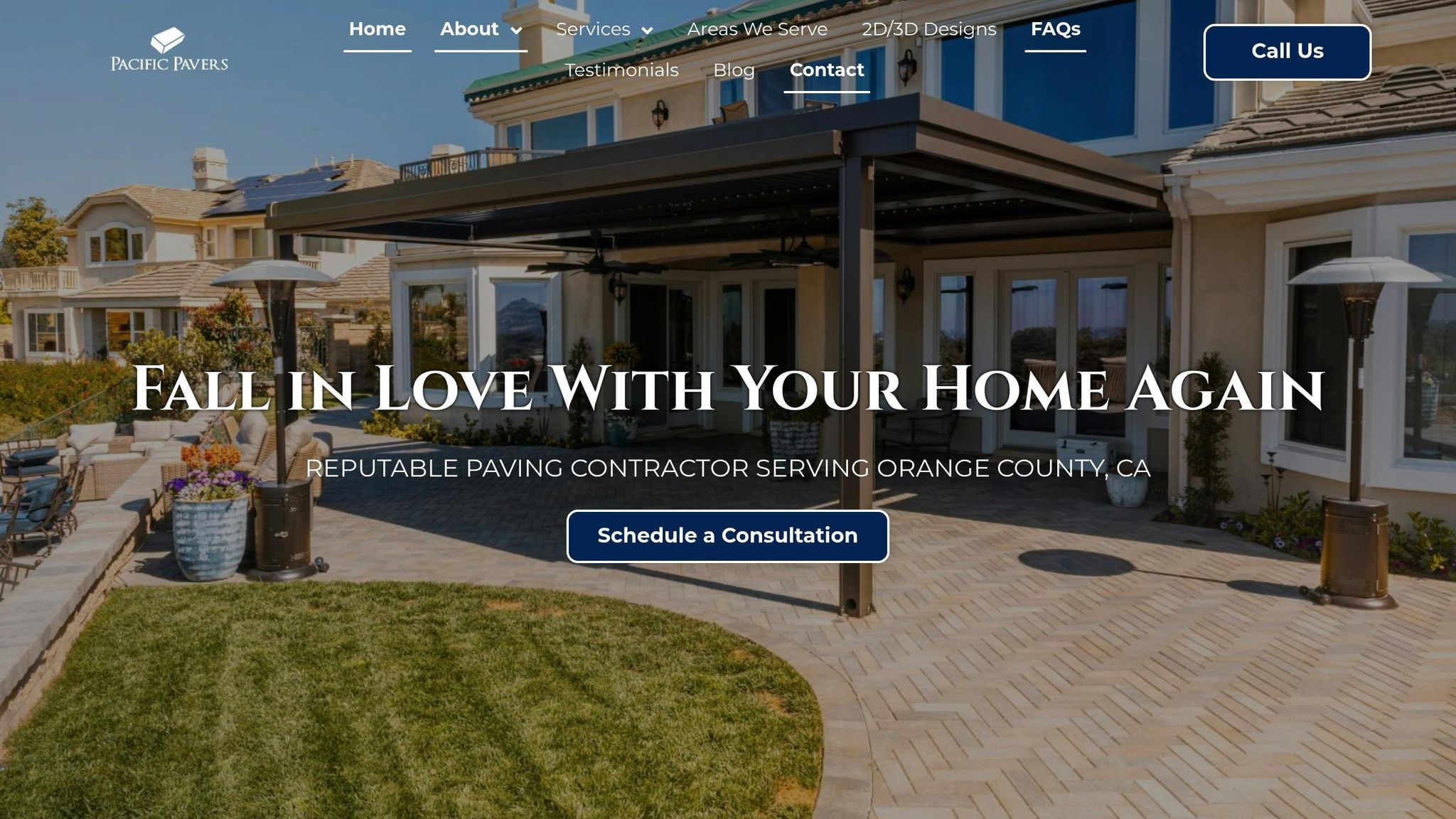
When it comes to retaining walls in Orange County, Pacific Pavers stands out as a trusted and reliable choice. With a 4.9/5 rating from 127 reviews, they’ve built a reputation for handling the unique challenges of sloped yards across Orange County and Anaheim with consistent success.
Their expertise goes beyond just construction – they understand the intricacies of local soil conditions, hillside regulations, and the permitting process for walls exceeding 3-4 feet. This ensures projects are not only compliant with local requirements but also designed to withstand Orange County’s varied soils and seismic conditions. By addressing these critical factors, they help homeowners avoid costly delays and compliance headaches.
Pacific Pavers offers guidance on a wide range of materials, helping clients choose the best option for their needs. Whether you’re looking for the strength of concrete block systems, the natural appeal of stone, or the flexibility of segmental blocks, their team evaluates factors like slope severity, soil type, and design preferences to recommend the ideal solution. They work with all materials covered in this guide, from cost-effective segmental systems priced at $12-$25 per square foot to high-end natural stone installations.
Durability is a priority. They incorporate efficient drainage systems – including gravel backfill, perforated pipes, and weep holes – alongside geogrid reinforcement and soil stabilization techniques. These measures ensure that retaining walls perform well, even on steep and challenging slopes.
For properties with steep hillsides, Pacific Pavers specializes in creating multi-tiered retaining walls that transform unusable terrain into functional outdoor spaces. These designs can increase yard usability by up to 50%, which is a significant advantage in Orange County’s competitive real estate market.
Every installation meets strict industry standards, with meticulous attention to detail ensuring clean lines, uniform finishes, and smooth integration with the surrounding landscape. Their thorough inspections and precise methods guarantee lasting quality for sloped yard retaining walls.
Pacific Pavers also offers a turnkey service that simplifies the entire process. From the initial site assessment and design to permitting and final installation, they handle everything. Plus, their work is backed by warranties for both materials and craftsmanship, giving homeowners peace of mind throughout the project.
For those looking to tackle the challenges of sloped yards, Pacific Pavers combines local expertise, material knowledge, and a proven track record to transform tricky landscapes into beautiful, functional outdoor spaces. Their experience with retaining walls across Orange County and Anaheim makes them a top choice for homeowners ready to enhance their properties.
Retaining Walls for Sloped Properties
Sloped yards require retaining wall systems that effectively manage soil pressure and water movement. Materials that integrate geogrid reinforcement and proper drainage are often necessary for stability. Taller walls may need engineering input to meet safety standards. Choosing materials designed for slope applications helps prevent shifting and erosion while maintaining structural integrity across elevation changes.
Ready to Start Your Retaining Wall Project?
Choosing the right materials for retaining walls in sloped yards is a careful balancing act. It requires considering factors like structural integrity, proper drainage, durability, and appearance. In Orange County, these considerations become even more crucial due to the area’s unique soil conditions, climate variations, and specific building regulations.
Some of the best material options include segmental concrete block systems and poured concrete, both known for their durability and strength. For homeowners seeking a premium look, natural stone offers unmatched beauty and longevity, although it comes with a higher initial cost. On the other hand, modular block systems provide an affordable and versatile solution for those on a tighter budget.
The success of a retaining wall project often hinges on professional installation and a solid understanding of local challenges. Mistakes like poor drainage or using the wrong materials can lead to early failure and expensive repairs. That’s why working with contractors familiar with Orange County’s specific needs ensures your wall is built to last, meeting both functional and regulatory demands.
FAQs
What are the best materials for a sloped yard?
When choosing materials for a retaining wall in a sloped yard in Orange County, there are a few essential things to keep in mind. Durability and stability top the list since the wall needs to handle the pressure from the soil and help prevent erosion over time. It’s also worth considering the visual appeal of the materials to make sure the wall enhances the overall look of your outdoor space.
You’ll also want to factor in the steepness of the slope, soil type, and local weather conditions, as these can all influence how well the wall performs and how long it lasts. And, of course, your budget will play a part in the decision – striking the right balance between cost, quality, and functionality is key.
Does soil type affect my material choice?
The soil on your property is a major factor in choosing the best materials for a retaining wall. Things like how the soil is composed, its ability to drain water, and the weight it can hold all influence the design and material selection. For instance, soils with a lot of clay or those that expand when wet can put extra pressure on a wall, meaning you’ll need sturdier materials and construction techniques to keep everything stable.
Getting a proper soil analysis is key to ensuring your retaining wall can tackle the specific challenges of your land. Experts like Pacific Pavers specialize in designing retaining walls tailored to your soil type, offering both stability and long-term durability for sloped areas.
How can I avoid common retaining wall mistakes?
Building a retaining wall on a sloped yard comes with its challenges, but avoiding a few common missteps can make all the difference in ensuring the wall stands strong over time. Here are some key mistakes to avoid:
- Neglecting proper drainage: Without a way for water to escape, it can build up behind the wall, creating pressure that may eventually cause the structure to fail. Drainage is not optional – it’s a must.
- Choosing unsuitable materials: Not all materials are up to the task for sloped areas. Weak or lightweight options might not provide the stability needed to hold back soil effectively.
- Overlooking soil type: The type of soil in your yard plays a big role in the wall’s design. Some soils are more stable than others, so understanding what you’re working with is essential.
- Skipping proper base preparation: A solid foundation is everything. If the base is uneven or poorly compacted, the wall is at risk of shifting, cracking, or even collapsing over time.
For a durable and professional result, it’s worth consulting specialists who have experience with retaining walls on sloped properties. This is especially true in regions like Orange County, where the terrain can vary significantly.
Related Blog Posts
- Complete Guide to Retaining Wall Installation
- How to Choose the Right Retaining Wall Material
- Checklist for Retaining Wall Aesthetic Upgrades
- Retaining Walls with Built-In Drainage Systems
Key Takeaways
- Build for Longevity, Not Just Looks: The success of your retaining wall depends on its unseen components. A solid foundation, a well-planned drainage system to relieve water pressure, and the correct backward tilt are essential for preventing cracks and failure down the road.
- Choose Materials as a Long-Term Investment: Your material choice is a long-term decision that affects durability, maintenance, and your budget. Concrete blocks provide a great balance of strength and style, while natural stone offers timeless beauty and a 50+ year lifespan.
- Know the Local Rules to Avoid Costly Rework: Don’t let permits and regulations become a surprise headache. In Orange County, walls over 3-4 feet often require engineered plans and city approval, so consulting with a professional early ensures your project is built correctly the first time.

Jeff Tobin is the founder of Pacific Pavers, an award-winning outdoor living company serving Orange County, California. With a 30-person team of ICPI-certified professionals, Jeff specializes in transforming residential and HOA properties through custom paver installations, pool remodeling, and complete outdoor living spaces. His company philosophy—”Flawless craftsmanship. Clear communication. Zero stress.”—reflects his commitment to delivering premium results and exceptional customer experiences. As a BBB-accredited business and Belgard Master Craftsman, Pacific Pavers has become known for process-driven operations and elite craftsmanship in the hardscape industry.