
Let’s be honest, most retaining walls are built for function, not beauty. But what if you could have both? That’s the power of using veneer stone. It transforms a purely practical structure into a stunning landscape feature. Veneer stone retaining walls offer the high-end look of natural stone with incredible durability and almost no maintenance. They easily withstand harsh weather and won’t fade or mold. Even better, this upgrade can deliver a huge return on investment—up to 153%—making it as smart as it is stylish.
Key Takeaways:
- Durability: Withstands UV rays, freeze-thaw cycles, and moisture without cracking or fading.
- Low Maintenance: Simple cleaning with water is enough to keep it looking great.
- Aesthetic Appeal: Wide range of colors, textures, and patterns to complement any design.
- Cost Efficiency: Lightweight design reduces labor and installation costs.
- Versatility: Works for retaining walls, patios, pool decks, and more.
For homeowners looking to improve outdoor spaces, veneer stone combines functionality with visual appeal, making it a valuable long-term investment.
Why Choose Veneer Stone for Your Retaining Walls?This Old House

What is Stone Veneer?
So, what exactly is stone veneer? Think of it as a beautiful, durable skin for your outdoor structures. It’s a thin layer of stone, typically less than two inches thick, that’s applied directly over an existing solid surface like a concrete retaining wall or house siding. This process gives you the timeless, high-end look of a solid stone wall without the immense weight, complexity, and cost of building one from scratch. Instead of a massive structural overhaul, you’re essentially giving your wall a stunning and resilient facelift. It’s an incredibly effective way to transform a plain or dated concrete surface into a sophisticated focal point for your yard.
The versatility of stone veneer is one of its biggest draws. While it’s a fantastic solution for retaining walls, its use doesn’t stop there. You can apply it to outdoor fireplaces, seating walls, columns, and even create a cohesive look by using it on your outdoor kitchen island. Because it’s a facing material and not structural, it can be installed almost anywhere you have a solid substrate. This flexibility allows you to carry a consistent design theme throughout your entire outdoor living area, tying different elements together for a polished, professionally designed feel. You can see some beautiful examples of how it can be used in our project gallery.
Natural vs. Manufactured Stone
When you start looking at stone veneer, you’ll find two main categories: natural and manufactured. Natural stone veneer is exactly what it sounds like—real stone that has been quarried from the earth and sliced into thin profiles. Each piece is completely unique, offering authentic color variations and textures that only nature can create. On the other hand, manufactured stone (often called faux or cultured stone) is a man-made product crafted from a concrete mixture that is poured into molds and colored to replicate real stone. As an attractive alternative to natural stone, it’s often lighter, more affordable, and offers greater consistency in shape and color, which can simplify the installation process.
Installation Formats: Panels vs. Loose Stones
Beyond the type of stone, you also have a choice in how it’s formatted for installation: panels or loose stones. Stone panels are pre-made sections where smaller stones are already arranged and adhered to a backing. This format is designed for quick and straightforward installation, as the interlocking panels cover a larger area at once. Loose stones, however, are individual pieces that are laid by hand, one by one. This method allows for a truly custom and unique design, giving a skilled installer the freedom to create intricate patterns and a more organic look. While loose stone installation requires more time and artistry, the result is a one-of-a-kind finish that perfectly suits your home’s style.
How Durable Are Veneer Stone Retaining Walls?
Veneer stone stands out for its exceptional durability and ability to maintain performance over the years, making it an excellent choice for homeowners who prioritize longevity and reliability.
Stands Up to Any Weather
Southern California’s climate can be tough on outdoor materials. While winters are mild, the intense summer heat and occasional heavy rains can take a toll on retaining walls. Veneer stone, however, is built to handle these conditions effortlessly.
Unlike wood, which can warp, or concrete, which may develop small cracks from temperature swings, veneer stone holds up remarkably well against moisture and temperature fluctuations. It resists tarnishing, fading, and deterioration, even with prolonged exposure to UV rays.
This weather resilience is especially beneficial during heavy rainfalls. Veneer stone naturally sheds moisture, maintaining its appearance and structural performance without compromise. This makes it a dependable choice for creating strong, long-lasting retaining walls.
Maintaining a Strong, Stable Wall
Veneer stone strikes a perfect balance between strength and weight. Weighing less than 15 pounds per square foot, it’s up to 74% lighter than full-bed stone. This reduced weight not only lowers installation costs but also minimizes stress on the underlying structure, making it ideal for elevated retaining walls and areas with frequent foot traffic.
When installed over a sturdy concrete or masonry core, veneer stone delivers reliable strength, even under demanding conditions. Whether supporting heavy soil loads or withstanding regular use from landscaping activities, it maintains its performance and durability over time.
“Our retaining walls and veneer stone installations are crafted to bring structure, stability, and elegance to your property. Our retaining walls are built with quality materials for lasting durability and a seamless blend with your landscape.” – Pacific Pavers
The Importance of the Underlying Structure
Think of veneer stone as the beautiful, durable face of your retaining wall—but not the muscle. The real strength comes from what’s underneath. Because veneer stone is so much lighter than full-bed stone, it puts far less stress on the wall’s core structure. This is a huge advantage, but it also means the underlying wall, whether it’s made of concrete or masonry blocks, must be perfectly sound. A professional installation always starts with a thorough inspection. If any underlying structural damage is found, it must be addressed before a single piece of stone is applied. This foundational work ensures your wall remains stable and secure for decades.
Why Proper Drainage is Non-Negotiable
Water is the number one enemy of any masonry project. Without a proper escape route, moisture can get trapped behind the veneer stone, leading to serious problems over time. This trapped water can weaken the mortar’s bond, cause discoloration, and in colder climates, lead to cracking during freeze-thaw cycles. Proper surface preparation and an integrated drainage system are not just nice-to-haves; they are essential for the wall’s longevity. A well-designed system allows any excess water to drain away or evaporate, preventing moisture buildup and protecting the structural integrity of your entire installation. It’s the key to making sure your beautiful wall stays that way.
Essential Drainage Methods
So, how do you ensure water doesn’t get trapped? Professionals use several methods to create a water-managed system. This often involves installing a weather-resistant barrier over the core wall, followed by a drainage mat or air screen that creates a small gap. This gap allows water that penetrates the veneer to travel down and exit through weep holes at the base of the wall. Applying the veneer to a clean, properly prepared surface is also critical to prevent adhesion failure. These details are what separate a DIY job from a professional one and are standard practice in all our outdoor living projects.
Enjoy a Damage-Resistant Finish for Years
Thanks to its combination of weather resistance and structural integrity, veneer stone is highly resistant to long-term damage. It stands up to common issues like cracking, peeling, or fading that often plague materials such as concrete blocks, stucco, or painted surfaces.
High-quality veneer stone is manufactured to meet rigorous strength and durability standards. Many products even come with warranties, and industry tests confirm their ability to endure environmental stress for decades.
Additionally, veneer stone’s composition resists mold and mildew, further extending its lifespan and keeping it visually appealing over the years.
For homeowners in Orange County, this means retaining walls that not only look great but also require little maintenance to stay functional and attractive. Pacific Pavers has completed numerous veneer stone projects across the region, proving its performance in a variety of soil and exposure conditions.
With its superior weather resistance, dependable structural strength, and long-lasting durability, veneer stone is a smart, cost-effective investment for retaining walls that are built to endure.
Get the High-End Look of Natural Stone
Veneer stone doesn’t just serve a functional purpose; it transforms retaining walls into stunning design elements, enhancing your home’s overall look. Its ability to create eye-catching focal points makes it a popular choice for homeowners aiming to elevate their property’s curb appeal. Here’s how veneer stone achieves this transformation.
Find the Perfect Style for Your Home
When it comes to veneer stone, the design possibilities are nearly endless. Whether you choose manufactured or natural veneer stone, you’ll find a broad selection of colors, textures, and patterns to suit your taste and complement your surroundings. The color options range from warm tones like sandstone and terra cotta to cool shades like gray and charcoal. Texture choices vary from smooth and polished for modern aesthetics to rugged, weathered finishes that mimic natural stone.
Popular patterns include:
- Stacked ledgestone for a layered, contemporary look
- Irregular fieldstone for a more organic, rustic feel
- Uniform ashlar for clean, geometric lines
This variety allows you to tailor the retaining wall to your home’s style. For instance, a Mediterranean-style home might feature golden, textured stones, while a sleek, modern design could incorporate linear panels for a refined finish. Veneer stone isn’t just an addition – it becomes a cohesive part of your overall landscape design.
Limestone
If you’re aiming for a soft, natural aesthetic, limestone is a fantastic choice. It offers a timeless elegance with its gentle, earthy colors, which typically include shades of beige, cream, and gray. This classic look blends beautifully with a variety of architectural styles, from Mediterranean villas to charming coastal cottages, making it a versatile option for many Orange County homes. Its subtle texture adds just enough visual interest without overwhelming the landscape. Because limestone is a porous stone, it’s a good idea to have it sealed after installation to protect it from moisture and stains, ensuring your retaining wall remains a beautiful feature for years to come.
Granite
For a retaining wall that needs to be exceptionally strong and durable, granite is one of the best materials you can choose. It’s an incredibly tough stone that holds up well against harsh outdoor conditions, making it a practical, low-maintenance solution. Granite is known for its unique speckled or veined patterns, which add a touch of sophistication and character to any outdoor space. This natural variation means no two walls will look exactly alike. Its inherent strength makes it a great material for retaining walls that support heavy loads or are located in high-traffic areas of your yard.
Quartzite
Quartzite offers a beautiful balance of elegance and resilience. As a hard, non-porous stone, it resists scratches and stains exceptionally well, which is a huge plus for outdoor applications, especially around patios or pool decks. It comes in a stunning range of colors, from brilliant whites and soft grays to warm earth tones, often with subtle veining that gives it a luxurious appearance similar to marble. This makes quartzite a perfect fit for modern and contemporary designs where a clean, polished look is desired. Its durability ensures your retaining wall will maintain its vibrant color and pristine finish with minimal upkeep.
Slate
To create a retaining wall with rich texture and a rustic charm, consider using slate. This stone is celebrated for its layered appearance and diverse color palette, which includes shades of black, gray, brown, green, and even orange. The natural clefts and textures in slate give it a dynamic, organic quality that can turn a simple wall into a stunning landscape feature. It’s an excellent choice for adding depth and a touch of nature-inspired artistry to your garden or backyard. The varied colors can be used to complement your home’s exterior or the surrounding foliage, creating a cohesive and visually appealing design.
Basalt
For a sleek, modern look, basalt is an unbeatable option. This durable volcanic stone is known for its fine grain and consistent dark colors, typically ranging from deep gray to black. Its uniform appearance creates a bold, dramatic backdrop that makes greenery and colorful flowers pop. Basalt is incredibly dense and resistant to weather and wear, ensuring a long-lasting, low-maintenance retaining wall. Its clean lines and sophisticated finish are ideal for contemporary, minimalist, or industrial-style landscapes. You can see how different materials impact a design by exploring 2D and 3D renderings, which help visualize the final look.
Achieve an Authentic Stone Finish
Veneer stone is crafted to replicate the beauty of quarried stone, capturing its natural color variations, unique patterns, and textured surfaces. Thanks to advanced manufacturing techniques, it can mimic the weathered, irregular characteristics of real stone – offering the same visual appeal at a fraction of the cost.
This flexibility makes veneer stone suitable for a variety of architectural styles, including Mediterranean, Craftsman, Colonial, Modern, and Rustic. In upscale areas like Orange County, CA, homeowners often use veneer stone to blend outdoor features like kitchens, patios, and pool areas with the surrounding environment.
“Our veneer stone installations add warmth and sophistication, highlighting the natural beauty of your home with stones carefully chosen to complement any architectural style.” – Pacific Pavers
A Smart Way to Increase Your Home’s Value
The aesthetic upgrade provided by veneer stone does more than please the eye – it can significantly increase your home’s market value. Stone veneer projects are known to deliver impressive returns, with some reports showing ROIs as high as 153%. In competitive markets like Orange County, this upgrade can make a property stand out by projecting quality and craftsmanship.
Potential buyers often associate stone features with upscale design and meticulous maintenance, making veneer stone an investment that pays off in both the short and long term. And because stone has a timeless appeal, it continues to add value and charm for years to come.
“Each project is tailored to your vision, ensuring a well-balanced, beautifully structured landscape that stands the test of time.” – Pacific Pavers
Save Time and Money with Stone Veneer
Veneer stone offers more than just aesthetic appeal and structural durability – it’s also incredibly easy to maintain, making it a smart choice for modern outdoor designs. Homeowners often turn to veneer stone for retaining walls because it requires far less upkeep than many other materials. This low-maintenance quality not only saves time but also translates into significant cost savings over the years.
Spend Less Time on Maintenance
Compared to traditional materials, veneer stone retaining walls demand very little maintenance. For instance, wood retaining walls often need repainting every 3–5 years, which can cost hundreds of dollars, and stucco surfaces require regular sealing and touch-ups. In contrast, veneer stone typically needs only a simple cleaning with water or a mild detergent to remove dirt and debris. A quick rinse with a garden hose is usually enough to keep it looking pristine. Natural stone veneer, in particular, is exceptionally easy to care for. It retains its durability and attractive appearance over time without the need for frequent cleaning or sealing to maintain its look or structural strength. These minimal maintenance requirements add up to significant savings over the long haul.
Sealing Your Stone for Protection
While veneer stone is incredibly resilient on its own, applying a sealer is a smart, proactive step to ensure it stays in top condition. Think of it as an extra layer of defense against moisture and stains. After your retaining wall is installed, we recommend treating it with a high-quality, water-based sealer. This simple process helps protect the stone’s color and texture from the elements. You’ll know it’s time to re-apply the sealer with a quick water test—if water no longer beads up on the surface and instead soaks in, it’s ready for a fresh coat. This small maintenance task goes a long way in preserving the beauty of your investment for years to come.
Gentle Cleaning Techniques
One of the best things about veneer stone is how easy it is to clean. Most of the time, a simple rinse with a garden hose is all you need to wash away dust and dirt. If you encounter more stubborn grime, stick to gentle methods. Use a soft-bristle brush and a solution of mild, non-acidic detergent mixed with water. It’s crucial to avoid harsh chemicals or acidic cleaners (like vinegar), as they can damage the stone’s surface. You should also steer clear of wire brushes and high-pressure power washers, which can cause chipping or discoloration. After a light scrub, just rinse the wall thoroughly with clean water to ensure no soap residue is left behind.
Resists Mold, Stains, and Fading
Thanks to its non-porous surface and advanced manufacturing techniques, veneer stone is highly resistant to common issues like mold, mildew, and staining. It also holds up remarkably well against harsh weather conditions, including extreme temperatures and heavy moisture. Its ability to withstand freeze-thaw cycles, UV exposure, and moisture means it resists cracking, fading, and erosion over time. This durability ensures that the stone retains its color and texture year after year, without requiring touch-ups or protective treatments.
How You’ll Save Money Over Time
The combination of durability and low maintenance makes veneer stone a cost-effective choice in the long run. While the initial investment may be higher, the reduced need for repairs and upkeep leads to substantial savings over time.
With proper installation and care, veneer stone can last anywhere from 25 to 75 years. Homeowners in Orange County, for example, have reported years of trouble-free use, even in areas with heavy rainfall and fluctuating temperatures. These long-lasting installations not only boost property value and curb appeal but also make homes more attractive to potential buyers looking for low-maintenance features.
Additionally, veneer stone’s lightweight nature – up to 74% lighter than full veneer and typically under 15 pounds per square foot – reduces both shipping and installation costs. This lighter weight makes transport more affordable and allows for quicker, more efficient installation. Together, these benefits make veneer stone an economical and practical investment for homeowners.
sbb-itb-11ea599
Understanding the Cost of Materials
When you’re planning your budget for a retaining wall, the cost of materials is a huge piece of the puzzle. Natural stone is undeniably gorgeous, but its price tag often reflects the complex process of quarrying, cutting, and shipping such a heavy product. For many homeowners, this can be a major barrier. That’s where manufactured stone veneer really shines. It’s specifically designed to replicate the authentic look and feel of real stone—from its unique textures to its natural color variations—but at a much more approachable cost. This means you can get that beautiful, high-end finish for your outdoor space without stretching your budget, giving you the best of both worlds.
Always Get Samples First
A picture on a website can’t fully capture the true color and texture of stone, especially when you consider how it will look in the changing light of your own backyard. Before you commit to a full order, it’s always a smart move to get physical samples. Holding the veneer in your hand lets you feel its surface and see how the colors work with your home’s siding, your patio pavers, or the plants in your garden. This simple step helps you make a confident choice and ensures the final result is exactly what you imagined. It’s the best way to guarantee you’ll love your new retaining wall for years, and it’s a crucial part of our design process to help you visualize the finished project perfectly.
A Simple and Versatile Solution
Veneer stone not only stands out for its durability and visual appeal but also for how straightforward it is to install. It simplifies construction, saving both time and money. Unlike traditional full-depth stone, which often demands heavy equipment and significant labor, veneer stone offers a more efficient alternative that works across a variety of design projects.
Enjoy a Straightforward Installation
One of the key benefits of veneer stone is its lightweight design, which makes it especially practical for retaining wall construction. Weighing in at less than 15 pounds per square foot, it’s much easier to handle compared to heavier materials. This reduced weight translates to fewer labor requirements, lower shipping costs, and less dependence on heavy machinery. Contractors can transport more material per trip and complete installations faster, cutting down on both time and expenses . Plus, with fewer workers needed on-site, the overall project becomes more efficient and less disruptive.
Using the Correct Mortar and Adhesives
Think of mortar as the super-strong glue that holds your beautiful veneer stone in place. Choosing the right kind is essential for a retaining wall that lasts. For outdoor projects, professionals almost always use a Type S mortar. It’s specifically formulated to have the high strength and durability needed to withstand weather and support the weight of the stone. Some projects also benefit from a polymer-modified mortar, which includes special additives for an even stronger bond and extra moisture resistance. Using the correct adhesive ensures each stone is securely attached to the wall, preventing shifting or loosening over time and protecting your investment.
Installing a Water Barrier
While veneer stone itself is great at handling moisture, it’s crucial to prevent water from getting trapped behind it. That’s where a water barrier comes in. Before any stone is applied, a professional installer will add a protective layer to the retaining wall’s surface. This typically involves securing a wire mesh (lath) and applying a “scratch coat” of mortar over it. This process creates a tough, water-resistant foundation for the veneer. It’s a non-negotiable step that shields the underlying structure from potential moisture damage, ensuring your retaining wall remains stable and strong from the inside out for years to come.
Keeping Veneer Above Ground Level
Here’s a pro tip that makes a huge difference in the longevity of your retaining wall: the stone veneer should never sit directly on the ground. Soil and landscaping constantly hold moisture, which can creep up into the stone and mortar, leading to discoloration or deterioration. The standard rule is to begin the stone installation at least four inches above any soil or grass and two inches above hard surfaces like a concrete patio or walkway. This small gap acts as a buffer, preventing moisture absorption and keeping the base of your wall dry, clean, and structurally sound.
Go Beyond Walls: Other Ways to Use Stone Veneer
Veneer stone isn’t just for retaining walls – it’s a versatile material that works beautifully for patios, pool decks, garden borders, and even outdoor kitchens . Whether you’re lining a pool deck, accenting garden beds, or creating a decorative retaining wall, veneer stone helps tie outdoor spaces together seamlessly . It also excels in unique designs, such as curved walls, columns, and other architectural features . From functional walls that manage slopes to decorative elements that enhance a yard’s aesthetic, veneer stone adapts to a wide range of projects with ease.
Limitations to Keep in Mind
While veneer stone is a fantastic choice, it’s smart to know about a few key considerations to make sure your project is a success. The most critical factor is proper installation. Because it’s a facing material, if it’s not applied correctly, you could run into issues like water infiltration or detachment down the road. It’s also important to remember that while manufactured stone is durable, it’s not as tough as solid natural stone and can be more susceptible to chipping. Finally, the veneer is only as strong as the wall behind it, so ensuring you have a solid structure and a good drainage system in place is non-negotiable for preventing moisture problems. Getting these details right from the start is the key to a beautiful, long-lasting retaining wall.
Get Your Project Done Faster
When compared to other materials, veneer stone offers clear advantages in terms of installation speed and cost:
| Material | Installation Time | Material & Labor Cost | Structural Requirements |
|---|---|---|---|
| Veneer Stone | Short | Lower | Minimal reinforcement needed |
| Full-Depth Stone | Long | Higher | Extensive foundation work |
| Concrete Block | Moderate | Moderate | Moderate reinforcement needed |
Source:
These benefits are especially valuable for projects with tight schedules or difficult site conditions. Veneer stone is easy to cut and handle, helping contractors wrap up projects quickly while minimizing disruptions for homeowners . Additionally, manufactured stone veneer is about 50% less expensive than natural full-depth stone, all while delivering the same stunning look.
For homeowners tackling retaining wall projects, veneer stone’s simple installation process and design adaptability make it a fantastic choice for creating outdoor spaces that are both practical and visually appealing.
Why a Professional Installer Matters
Veneer stone is known for its durability and low maintenance, but professional installation takes these benefits to another level. In Orange County, where building codes and HOA guidelines can be tricky to navigate, hiring a skilled contractor is essential. A knowledgeable professional ensures compliance with local regulations while maintaining the wall’s strength and visual appeal.
Why Choose Pacific Pavers?
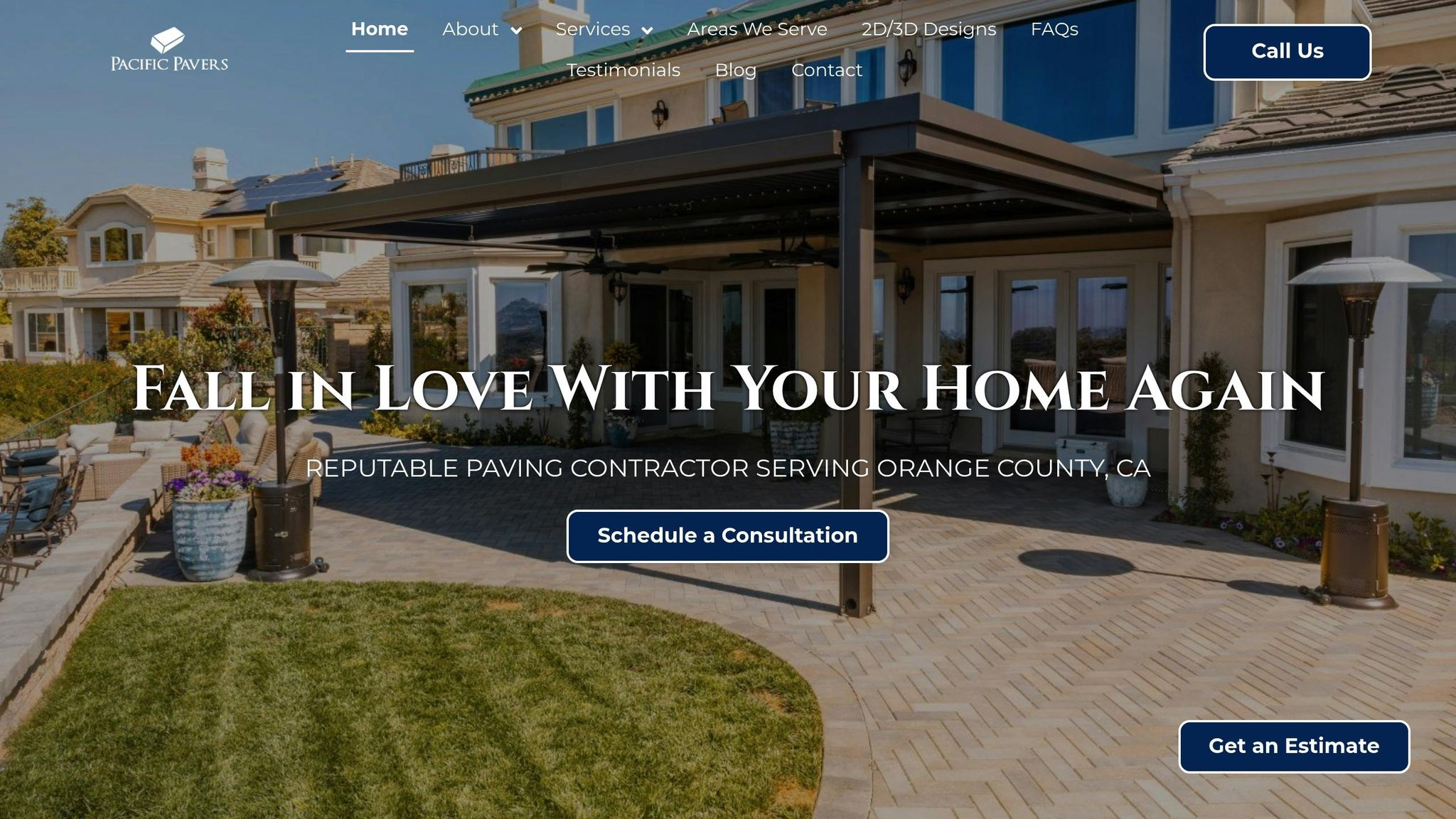
Pacific Pavers stands out as a trusted name in veneer stone retaining wall installations across Orange County. Their in-depth understanding of local requirements and strong partnerships with HOA boards make them a go-to choice for homeowners. They provide HOA renovation services that cater specifically to residents in planned communities, working directly with HOA boards to meet all design and regulatory standards. This collaborative process not only simplifies approvals but also enhances the neighborhood’s overall aesthetic.
One standout project highlights their ability to turn sloped yards into functional, beautiful spaces. By adhering to strict community standards, they increased the property’s value while delivering a stunning transformation.
Get the Job Done Right (and to Code)
When it comes to veneer stone installations, proper techniques and materials are critical for long-term success. Licensed and insured contractors like Pacific Pavers have a deep understanding of Orange County’s unique challenges, including soil conditions, seismic activity, and drainage requirements. This expertise ensures a solid foundation and lasting performance.
Cutting corners with an inexperienced installer can lead to major headaches: structural failures, water damage, or code violations that result in expensive repairs and fines. Professional contractors eliminate these risks by following industry best practices and conducting thorough inspections throughout the project.
Pacific Pavers takes pride in their highly trained team, specializing in veneer stone installations. They use top-quality materials and adhere to strict standards at every step. Multiple inspections during and after the installation process guarantee that each wall meets both structural integrity and aesthetic expectations.
When choosing a contractor, be sure to check their licensing and insurance, review their portfolio of past veneer stone projects, and request references from recent clients. Investing in professional installation ensures decades of reliable performance and helps maintain your property’s value.
Ready to Transform Your Outdoor Space?
Veneer stone retaining walls offer the perfect mix of strength, style, and practicality, making them a smart choice for homeowners in Orange County. Built to withstand harsh weather and last anywhere from 25 to 75 years, these walls provide lasting structural support with minimal upkeep – just an occasional rinse is all they need. This combination of durability and low maintenance makes them a practical, long-term addition to your outdoor space.
Beyond their functionality, veneer stone retaining walls bring a stunning visual upgrade. With their natural stone look and a wide range of colors, textures, and patterns, they can complement virtually any architectural style. Plus, they significantly enhance curb appeal. According to the Value vs. Cost 2024 report, stone veneer projects deliver strong returns, making them one of the most budget-friendly ways to increase your home’s value.
What’s more, their lightweight design cuts down on labor costs and speeds up installation, eliminating the need for heavy structural reinforcements. Veneer stone isn’t just for retaining walls, either – it’s a versatile material that works beautifully for outdoor kitchens, fire pits, patios, and pool areas, creating cohesive and inviting outdoor living spaces.
For Orange County homeowners looking to turn sloped or underutilized yards into functional, eye-catching landscapes, Pacific Pavers brings the expertise you need. Their deep knowledge of veneer stone and retaining wall installations, paired with an understanding of local building codes and HOA requirements, ensures every project delivers both immediate impact and long-term value. Whether you’re addressing erosion, boosting your home’s market appeal, or simply creating a more enjoyable outdoor space, veneer stone retaining walls provide the ideal balance of form and function.
FAQs
What are the key benefits of choosing veneer stone for retaining walls?
Veneer stone brings a mix of practicality and style to retaining walls, making it a favored choice for many. It’s built to last, standing strong against weather conditions while keeping its structure intact over time. Plus, its natural appearance adds a classic, polished charm to outdoor spaces, boosting the overall visual appeal.
Another bonus? Veneer stone is low-maintenance, meaning less time spent on upkeep and more time enjoying your outdoor area. Its blend of resilience, elegance, and ease makes it a smart pick for retaining walls that are both functional and visually appealing.
How well does veneer stone hold up in extreme weather, like intense heat or heavy rain?
Veneer stone is built to endure various weather conditions, making it a solid option for retaining walls. It holds up against intense heat, heavy rain, and freezing temperatures, thanks to its sturdy, weather-resistant nature. This resilience ensures it lasts for years with minimal upkeep.
On top of that, veneer stone keeps its look intact over time, preserving its visual appeal even in tough climates. By blending durability with easy maintenance, it delivers both functionality and style to outdoor spaces.
Can veneer stone be used for other outdoor features besides retaining walls?
Veneer stone is a fantastic choice for elevating the look of outdoor spaces. It works beautifully for patios, walkways, pool decks, and entryways, giving them a polished and inviting feel. Beyond that, it’s a go-to material for adding style to firepits, fireplaces, and outdoor kitchens. With its long-lasting durability and classic charm, veneer stone is perfect for designing outdoor areas that are both attractive and practical.
Understanding Wall Height Regulations
Before you get too far into planning your retaining wall, it’s important to know about local height regulations. Generally, if a retaining wall is taller than four feet—measured from the bottom of the footing to the top of the wall—you’ll likely need a building permit. This rule, based on guidelines like the International Building Code, is in place to ensure the wall is properly engineered for safety and stability. Checking local codes can feel a bit overwhelming, which is why working with an experienced contractor is so helpful. They can manage the permitting process for you, making sure your project meets all of Orange County’s specific requirements and is built to last without any future compliance issues.
Using Tiered Walls for Taller Slopes
What if you have a steep slope that needs more than a four-foot wall? The perfect solution is a tiered retaining wall system. Instead of one massive wall, this approach uses a series of shorter walls built one above the other, with level terraces of soil in between. This design is not only visually stunning, but it’s also a smart engineering choice. Tiered walls distribute the pressure from the soil more effectively, which greatly improves stability and helps manage drainage on a steep grade. Plus, those new terraces create beautiful opportunities for planting gardens or creating small, usable flat areas. You can see some great examples of how tiered walls transform a landscape in our project gallery.
Related Blog Posts
- How to Choose the Right Retaining Wall Material
- Benefits of Using Natural Stone for Fire Features
- 5 Eco-Friendly Retaining Wall Materials
- Stone Veneer vs. Natural Stone: Key Differences

Jeff Tobin is the founder of Pacific Pavers, an award-winning outdoor living company serving Orange County, California. With a 30-person team of ICPI-certified professionals, Jeff specializes in transforming residential and HOA properties through custom paver installations, pool remodeling, and complete outdoor living spaces. His company philosophy—”Flawless craftsmanship. Clear communication. Zero stress.”—reflects his commitment to delivering premium results and exceptional customer experiences. As a BBB-accredited business and Belgard Master Craftsman, Pacific Pavers has become known for process-driven operations and elite craftsmanship in the hardscape industry.