
Your artificial turf looks amazing, but when you have pets, worries about odor and hot surfaces are real. The secret to a fresh, comfortable lawn isn’t just the turf—it’s what you put inside it. Choosing the best infill for pet turf is the single most important decision for keeping your yard clean and safe. This special turf infill for pets is designed to neutralize odors and keep paws cool. We’ll break down the top choices for artificial turf infill for pets so you can find the perfect match for your furry family.
- Zeolite (Zeofill): Great for odor control with its ability to trap ammonia from pet urine. It also helps with cooling and drainage but requires occasional rinsing to maintain performance. Mid-range cost.
- Acrylic-Coated Sand (Envirofill/Durafill): Offers built-in antimicrobial protection, strong odor resistance, and excellent drainage. It’s more expensive but durable and low-maintenance.
- Silica Sand: Budget-friendly but lacks odor control and antimicrobial properties. It compacts over time, reducing drainage and comfort.
- Organic Infills (Cork, Walnut Shell, Safeshell): Eco-friendly with excellent drainage and cooling properties. However, they break down faster and may need frequent replacement.
For the best results, experts recommend combining materials like zeolite and acrylic-coated sand to balance odor control, durability, and cost.
Pet Turf Infill Options at a Glance
| Infill Type | Odor Control | Drainage | Surface Temp | Comfort | Maintenance | Cost (per sq ft) |
|---|---|---|---|---|---|---|
| Zeolite | Excellent | High | Cool | Soft | Moderate | Mid-range |
| Acrylic-Coated Sand | Good | High | Moderate | Smooth | Low | High |
| Silica Sand | Poor | Moderate | Hot | Coarse | High | Low |
| Organic Infills | Good | High | Cool | Soft | High | High |
For pet owners in warm climates like Orange County, combining zeolite and acrylic-coated sand is a smart choice to manage heat, odors, and durability. Consulting a local expert ensures the best fit for your specific needs.
Why Does Artificial Turf Need Infill?
When you think about artificial turf, you probably picture the vibrant green blades. But the secret to a durable, beautiful, and functional synthetic lawn lies in a component you can’t even see: the infill. Infill is the granular material that’s brushed down into the base of the turf fibers after the grass is rolled out. It might seem like a minor detail, but it’s one of the most critical parts of the entire system. From keeping the grass blades standing tall to making the surface comfortable to walk on, infill performs several essential jobs that protect your investment and ensure your lawn looks and feels great for years.
Supports Grass Blades
One of the primary roles of infill is to provide structural support for the synthetic grass blades. Without it, the fibers would quickly become flat and matted from foot traffic, losing their realistic appearance. Infill works to “help the fake grass blades stand up straight so they look natural and don’t get flat.” Think of it as the soil in a natural lawn; it gives the blades the stability they need to remain upright and resilient. This ensures your lawn maintains its lush, full look, even in high-traffic areas, making it a key element in a professional synthetic grass installation.
Adds Weight and Stability
Artificial turf is essentially a heavy-duty outdoor carpet, and without sufficient weight, it can be prone to shifting, wrinkling, or developing ripples over time. Infill provides the necessary ballast to hold the turf securely in place. By adding pounds of material per square foot, it “makes the turf heavy enough so it doesn’t blow away on windy days.” This weight is distributed evenly across the entire surface, anchoring the turf and ensuring it lies flat and smooth. This stability is crucial for both the longevity of the lawn and the safety of anyone using it.
Protects the Turf Backing
The backing is the foundation of your artificial turf, where all the individual blades are stitched into place. This material is susceptible to wear and tear from foot traffic and damage from direct UV exposure. Infill creates a protective barrier over the backing, shielding it from the elements and physical stress. It “guards the bottom part of the turf where the blades are attached, stopping them from getting damaged or falling out.” This protection is vital for preventing premature shedding and degradation, significantly extending the lifespan of your entire turf system.
Provides Cushioning and Comfort
Infill is also responsible for giving your artificial lawn a soft, comfortable feel underfoot. It fills the space between the fibers, creating a cushioned surface that’s more pleasant and safer for walking, playing, and relaxing. This is especially important for families with children or pets. Certain types of infill are specifically designed to absorb impact, which can help reduce the risk of injury from falls. This added cushioning transforms your lawn from a simple ground cover into a truly functional and inviting outdoor living space for everyone to enjoy.
What’s the Best Infill for Pet Turf?
1. Zeolite Infill (Like ZeoFill)Zeofill)
Zeolite is a volcanic mineral formed from ancient ash, and it stands out as a reliable choice for pet turf infill. Its porous structure makes it highly effective for controlling pet odors and keeping the turf surface comfortable.
How It Handles Pet Odors
One of zeolite’s standout features is its ability to trap and neutralize pet urine ammonia. Its porous, crystalline structure doesn’t just cover up odors – it actually absorbs and locks away ammonia until water rinses it out. This process ensures the turf stays fresher over time, even in areas with heavy pet activity.
Keeping Bacteria at Bay
While zeolite itself doesn’t have antimicrobial properties, it helps create an environment less conducive to bacterial growth by trapping moisture. This feature can enhance the performance of any additional antimicrobial infill used alongside it.
How Well Does It Drain?
Zeolite’s porous nature allows water to drain efficiently, preventing pooling and reducing the risk of bacterial buildup. For areas with frequent foot or paw traffic, pairing zeolite with a heavier base infill can improve stability while maintaining its excellent drainage capabilities.
Keeping Paws Cool
In sunny areas, such as Orange County, zeolite offers a practical solution for heat management. Its mineral composition helps dissipate heat, keeping the turf cooler and more comfortable for pets, even during hot weather.
Is It Safe and Soft for Pets?
Zeolite is non-toxic and eco-friendly, making it safe for both pets and children. Its granular texture is gentle on paws and doesn’t release harmful chemicals, making it a trustworthy option for pet-friendly turf installations.
Best Use: As a Top Layer
Think of zeolite as the specialized finishing touch for your pet-friendly turf. Its real power is unleashed when it’s used as the top layer of infill, where it can immediately get to work on pet odors. Because of its incredibly porous structure, it acts like a natural sponge, trapping and locking away ammonia from urine right at the source. This keeps your yard smelling fresh until the next rain or a quick rinse with the hose washes it all away. For homeowners here in Orange County, its ability to dissipate heat and keep the surface cooler for paws is another huge advantage.
While zeolite is an odor-control champion, it works best as part of a team. For a truly robust and long-lasting installation, experts often recommend using a durable base infill, like acrylic-coated sand, and then adding a layer of zeolite on top. This combination gives you the best of both worlds: a stable, well-draining foundation with premium odor and heat control right on the surface where your pets play. Getting this layered system right is key to creating a beautiful and functional outdoor living space that stands the test of time.
How to Keep It Clean
To maintain zeolite’s effectiveness, occasional rinsing is needed to flush out absorbed waste. Blending it with other infills or replenishing it periodically can also help prevent clumping and ensure consistent performance.
What’s the Price Tag?
Zeolite falls into the mid-range price category. It costs more than basic silica sand but is generally less expensive than some high-end antimicrobial infills. Considering its odor control and cooling benefits, it’s a cost-effective option for pet turf.
For Orange County homeowners, companies like Pacific Pavers often use zeolite as part of a layered infill system. Combining it with heavier materials enhances stability and odor control, making it a practical choice for the region’s warm, dry climate.
2. Acrylic-Coated Sand (Like Envirofill)Envirofill/Durafill)
Acrylic-coated sand, such as Envirofill and Durafill, stands out as a high-quality infill option. These products are made with particles coated in green acrylic resin and infused with Microban® antimicrobial protection, which is specifically designed to combat bacteria, mold, and mildew.
Fighting Off Germs
One of the key benefits of acrylic-coated sand is its built-in antimicrobial technology. This feature actively inhibits the growth of harmful microorganisms like bacteria, mold, and fungi within the infill material. Unlike other infills that passively allow contaminants to filter through, this coating works continuously to reduce the risk of turf-borne pathogens. As an added bonus, this technology aids in controlling odors, which is particularly useful for pet-friendly turf systems.
Infused Microban Technology
So, what exactly is this Microban technology? Think of it as a permanent, built-in cleaning crew for your turf. This antimicrobial protection is infused directly into the acrylic coating of the sand, so it’s not something that will wash away after a few rainstorms. Its main job is to continuously fight off the growth of bacteria, mold, and mildew—the very things that cause unpleasant pet odors. This is a huge advantage because it doesn’t just mask smells; it helps prevent them from developing in the first place by targeting the source. For pet owners, this means a cleaner, safer, and fresher-smelling yard with less worry. The protection lasts for the entire lifespan of the turf, giving you long-term peace of mind.
How It Manages Odors
The antimicrobial coating not only fights bacteria but also helps prevent the buildup of pet-related odors. It resists absorbing organic waste, making cleanup easier and keeping the turf smelling fresh. This combination of odor resistance and easy maintenance ensures a cleaner, more hygienic environment for both pets and their owners.
Does It Drain Well?
Acrylic-coated sand is also a top performer when it comes to drainage. Thanks to its smooth, non-compacting particles, water and pet waste flow efficiently through the turf, minimizing puddling and ensuring rapid drainage. Unlike silica sand, which can clump over time, this infill maintains its structure, ensuring consistent performance throughout the turf’s lifespan.
Will It Stay Cool?
For warm regions like Orange County, acrylic-coated sand provides moderate temperature regulation. While it doesn’t stay as cool as some specialized cooling infills, it reflects heat better than rubber-based options. Its structure also retains less heat, making it a practical choice for pet turf in sunny climates like Southern California.
Is It Comfortable and Safe?
The round, smooth particles of acrylic-coated sand are gentle on pet paws, reducing the risk of abrasions compared to angular sands. This infill is also dust-free and non-toxic, making it a safe option for pets and children alike. Additionally, these products meet IPEMA safety standards, ensuring a secure play area for families.
Certified Non-Toxic and Safe
When you have pets and kids playing in the yard, their safety is the top priority. That’s why acrylic-coated sand is such a reassuring choice for turf infill. It’s certified as a completely non-toxic material, meaning it’s free from the harmful chemicals and heavy metals you might worry about in other products. This gives you peace of mind knowing your family isn’t exposed to anything unsafe. Plus, it’s completely dust-free, which is a huge benefit for anyone with allergies or respiratory sensitivities. The smooth, rounded granules are also designed to be gentle on paws and little feet, preventing the scrapes and abrasions that coarser sands can cause. It’s a thoughtful design that makes your lawn a truly safe and enjoyable space for everyone.
What Maintenance Is Required?
Thanks to its antimicrobial coating, acrylic-coated sand requires minimal upkeep. The coating prevents odor buildup, and regular rinsing with water is usually enough to keep the turf clean. The infill resists compaction, so there’s less need for frequent top-ups or redistribution. Occasionally, brushing the turf fibers upright may be necessary, but overall maintenance is straightforward and manageable.
How Much Does It Cost?
As a premium infill option, acrylic-coated sand comes with a higher upfront cost compared to basic alternatives like silica sand or crumb rubber. However, its durability, antimicrobial features, and low maintenance needs provide excellent long-term value. For pet owners looking for a cleaner and safer turf solution, this investment can be well worth it.
In Orange County installations, combining different infills can further enhance the overall performance of pet-friendly turf systems.
3. Classic Silica Sand
Silica sand is one of the more budget-friendly infill options for artificial turf, typically priced between $0.20 and $0.50 per pound (around $40 to $80 for a 50-pound bag). While its low cost is appealing, it comes with some trade-offs that are worth considering.
How Quickly Does It Drain?
At first, silica sand provides decent drainage, allowing water and pet waste to flow through the turf system. However, over time, it tends to compact under foot traffic and exposure to weather. This compaction can reduce its drainage efficiency, potentially leading to pooling in areas where pets frequently roam.
Does It Trap Pet Odors?
When it comes to managing odors, silica sand falls short. It doesn’t have any natural properties to absorb or neutralize pet urine, which means odors can build up as waste gets trapped within the sand particles.
Does It Prevent Bacteria Growth?
Silica sand also lacks antimicrobial properties. This can be a concern in pet-heavy areas, as it doesn’t inhibit the growth of odor-causing bacteria or microbes.
How Hot Does It Get?
In warmer climates like Orange County, where summer temperatures often climb above 90°F, silica sand can retain heat. This heat absorption can make the turf surface uncomfortably hot for pets during the day.
Is It Gentle on Paws?
Although silica sand is non-toxic and safe for pets, its coarse texture doesn’t offer the same level of comfort as softer infill materials. Its limited cushioning, combined with its tendency to compact, makes it less suitable for high-traffic areas or for pets with sensitive paws. Additionally, its dusty nature could affect pet comfort during play.
Abrasive Texture Concerns
When it comes to your pet’s comfort, the texture of the infill is a big deal. While silica sand is easy on the wallet, its coarse, angular particles can be rough on paws. This abrasive texture doesn’t offer much cushioning, which can be uncomfortable for dogs, especially those with sensitive feet. Over time, as the sand compacts, the surface becomes even harder and less forgiving. Unlike smoother, rounded options like acrylic-coated sand, which are specifically designed to be gentle on pet paws, silica sand can potentially cause irritation or scrapes. For homeowners who want to create a truly safe and enjoyable play area, this lack of comfort and safety makes silica sand a less-than-ideal choice for their furry family members.
What’s the Upkeep Like?
To keep silica sand functioning effectively, regular maintenance is essential. This includes brushing to prevent compaction and occasional rinsing to manage debris. Over time, you may also need to add more sand to address compaction or odor issues, increasing the upkeep.
Is It a Budget-Friendly Choice?
While silica sand’s affordability is its biggest draw, the ongoing maintenance and potential need for replacement can offset its initial cost savings. Over time, these added demands might make it less economical than it appears at first glance.
Best Practice: Many Orange County contractors, including Pacific Pavers, recommend using silica sand as a base layer beneath higher-quality infills like zeolite or Envirofill. This layered approach can help address issues like odor control and microbial growth while still keeping costs manageable.
sbb-itb-11ea599
4. Organic & Natural Infills (Like Safeshell)Safeshell)
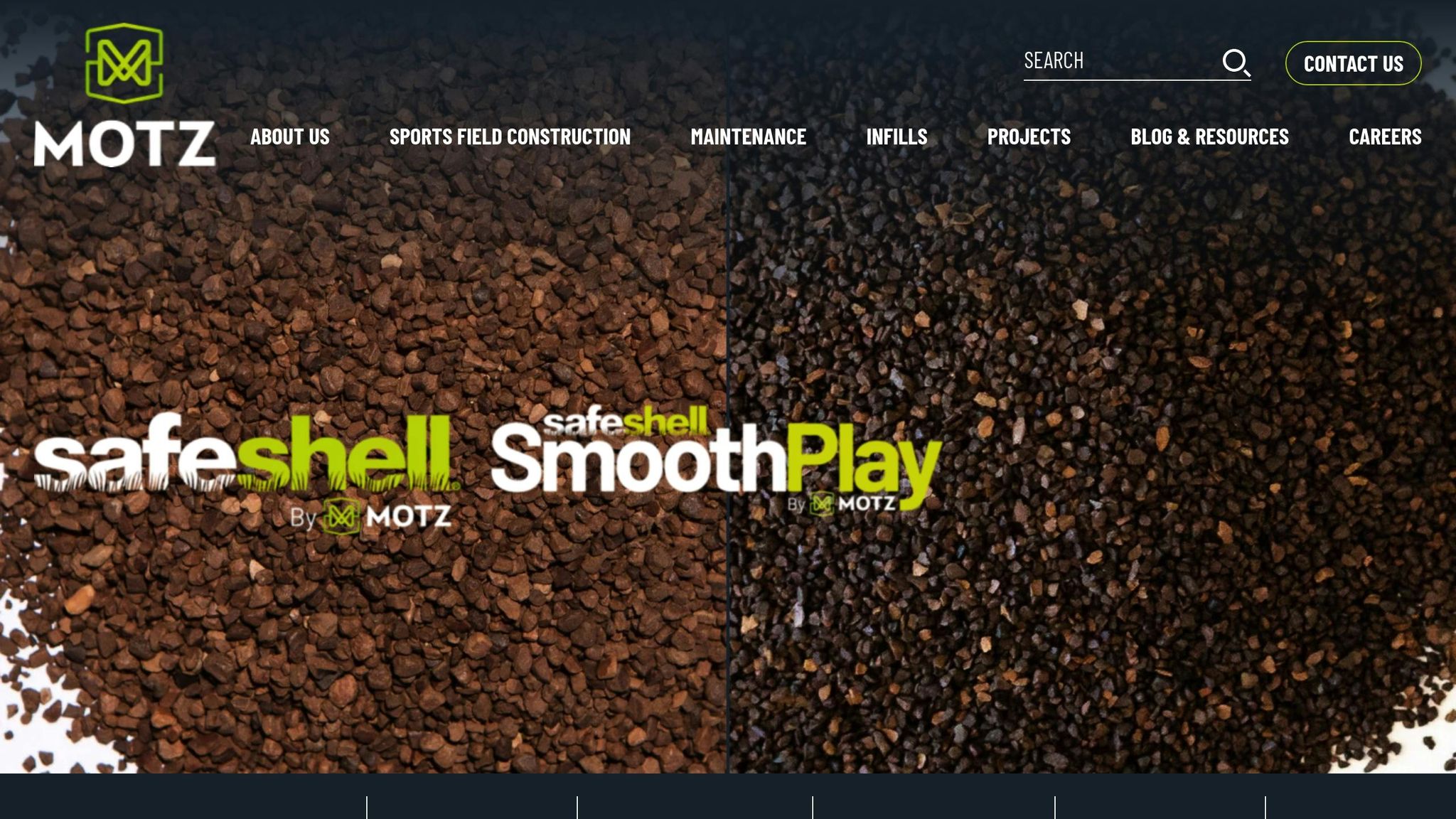
For pet owners looking for an eco-friendly option, organic infills like cork, walnut shell, and Safeshell (a blend of walnut shell and coconut fiber) offer a biodegradable and non-toxic solution that’s safe for both kids and pets. These natural alternatives work alongside engineered infills, combining environmental benefits with reliable performance. Here’s a closer look at what they bring to the table for pet-friendly turf.
Natural Odor Control
Organic infills excel at keeping odors at bay, thanks to their ability to drain well and retain minimal moisture. Safeshell, in particular, is known for its strong odor-controlling capabilities.
Are They Naturally Antimicrobial?
Many organic infills naturally resist mold and bacteria due to their composition. For example, cork infill stands out with its built-in antimicrobial qualities, helping to limit the growth of bacteria and mold. However, in areas with heavy use or high moisture, these natural properties might not perform as effectively as specialized antimicrobial treatments.
How Do They Handle Rain?
Organic infills offer excellent drainage, often exceeding rates of 30 inches per hour. This fast drainage helps keep pet areas dry, reducing the chances of odor and bacteria buildup.
The Coolest Option for Paws
Compared to rubber or sand, cork and walnut shell infills can reduce turf surface temperatures by as much as 30°F. This makes them a great choice for keeping pets comfortable, especially during Orange County’s warmer days.
Are They Safe for All Pets?
These infills provide a soft, cushioned surface that’s gentle on paws and safe for children. Safeshell is particularly noteworthy for being non-toxic, allergen-free, and even food-grade, making it a great option for sensitive pets and kids. However, pet owners should double-check the safety of walnut shell infills if their pets have nut allergies. Most products are processed to remove allergenic proteins, but it’s always better to confirm.
How to Care for Organic Infill
Like any natural product, organic infills require regular upkeep. Occasional brushing and top-ups are necessary due to their natural decomposition. A periodic rinse will also help maintain hygiene in pet areas.
What to Expect for Cost
Organic infills are priced between $0.80 and $1.30 per square foot, depending on the type:
- Safeshell: $0.80–$1.20
- Cork: $0.90–$1.30
- Walnut Shell: $0.90–$1.20
While they come at a higher price than basic sand, their environmental advantages, added comfort, and safety make them worth the investment.
| Infill Type | Odor Control | Surface Temp | Drainage | Comfort | Cost (per sq ft) |
|---|---|---|---|---|---|
| Cork | Good | Coolest | High | Soft | $0.90–$1.30 |
| Walnut Shell | Good | Cool | High | Soft | $0.90–$1.20 |
| Safeshell | Effective | Cool | High | Soft | $0.80–$1.20 |
If you’re unsure which option is best for your needs, Pacific Pavers can guide you in selecting the right organic infill to ensure optimal results for Orange County’s climate.
Other Infill Types to Consider
While zeolite, acrylic-coated sand, and organic options are top contenders for pet turf, you might come across a few other types during your research. Some are great for specific situations, while others are best avoided when you have furry friends to think about. It’s helpful to understand the full range of choices so you can make an informed decision for your Orange County home.
Rubber Infill
Why It’s Not Recommended for Pets
You’ve probably seen rubber infill on athletic fields and playgrounds. It’s typically made from recycled tires and is excellent for providing cushioning and bounce. However, these benefits don’t translate well to a backyard that doubles as a pet paradise. The biggest issue is heat. Rubber absorbs and retains a significant amount of heat from the sun, which can make the turf surface dangerously hot for your pet’s sensitive paws. It can also hold onto odors from pet urine, creating an unpleasant smell that’s difficult to eliminate. For these reasons, most professionals will steer you away from rubber infill for any pet-focused synthetic grass installation.
Hydrochill Cooling Infill
How It Works in Hot Climates
For homeowners in sunny Southern California, keeping turf cool is a top priority. Hydrochill is a specialized infill designed to do just that. It’s essentially sand with a unique coating that activates with moisture. When you spray the turf with water, the Hydrochill infill stores that moisture and releases it slowly through evaporation, actively cooling the surface. On a hot day, this technology can keep your turf significantly cooler than other infills. The main trade-off is that it doesn’t provide much cushioning on its own. A great solution is to combine it with another infill to get both cooling benefits and a softer feel underfoot.
Which Turf Infill for Pets Is Right for You?
Here’s a quick breakdown of the pros and cons of different infill types, focusing on key factors like odor control, durability, maintenance, and cost.
Zeolite (Zeofill) is great for managing odors and keeping turf cool. However, it does require regular upkeep to avoid clumping and shifting, especially in areas with heavy use.
Acrylic-coated sand stands out for its antimicrobial properties, strong odor control, and minimal maintenance needs. While it’s more expensive, its rounded, dust-free particles are gentle on paws and resist compaction, making it an excellent choice for high-traffic pet zones.
Silica sand is an affordable and widely available option, but it falls short in odor control and has a tendency to compact over time, which can impact performance.
Organic infills provide excellent drainage and a soft, natural feel underfoot. However, they break down faster than synthetic options and often need more frequent replacement.
Experts often recommend combining Zeolite with a denser infill like Envirofill for the best results in pet-heavy environments. This combination improves both odor control and drainage. In the warm climate of Orange County, this layered approach also helps with temperature management. Feedback from the field shows that antimicrobial infills not only reduce odors but also enhance overall cleanliness.
Does Orange County’s Climate Affect Your Infill Choice?
Orange County’s intense heat and seasonal rains create unique challenges for artificial turf infill performance.
Common infills like rubber and plain silica sand can absorb and retain heat under direct sunlight, which might make the turf uncomfortably hot and even risk burning your pet’s paws. To counter this, materials like acrylic-coated sand (e.g., Envirofill and Durafill) are designed to reflect sunlight, helping to reduce surface temperatures. Zeolite-based infills, on the other hand, leverage their porous volcanic mineral structure to dissipate heat, making them another effective choice for Orange County’s high temperatures and sunny conditions.
Seasonal rains add another layer of complexity, as superior drainage is essential to avoid standing water, unpleasant odors, and turf deterioration. While organic infills such as cork or walnut shell provide excellent drainage, they tend to break down more quickly in wet conditions compared to synthetic options, making them less durable over time.
Local regulations also play a significant role in infill selection. Many neighborhoods in Orange County are governed by HOA rules, which often dictate the types of materials that can be used. These guidelines typically emphasize safety, aesthetics, and drainage efficiency. In many cases, infills must be non-toxic, dust-free, and resistant to compaction. Some communities even require antimicrobial or odor-blocking properties to address common concerns.
Pacific Pavers brings a deep understanding of these regional challenges, offering tailored solutions that meet both the climate demands and HOA requirements. Their team carefully assesses factors like sun exposure, drainage needs, and pet activity to recommend the most effective infill combinations. For example, a recent project in Irvine showcased their expertise: the team installed a layered system featuring acrylic-coated sand for stability and drainage, topped with zeolite to control odors. This setup performed exceptionally well, keeping the turf cool and odor-free during both scorching summer heatwaves and heavy rainstorms, all while meeting HOA standards.
Even in Orange County’s milder months, direct sunlight can cause lower-quality infills to retain excessive heat, underscoring the importance of investing in premium materials. Options like acrylic-coated sand and zeolite not only enhance cooling and odor control but also require less maintenance and resist compaction better than budget alternatives like plain silica sand.
With years of experience navigating Orange County’s unique climate and regulatory landscape, Pacific Pavers ensures homeowners receive tailored installations designed for long-term performance. Their comprehensive approach – covering everything from material selection to expert installation and maintenance advice – addresses the region’s specific challenges and delivers reliable, high-quality results.
Our Top Pick for Pet-Friendly Turf Infill
Choosing the best infill for your pet turf comes down to weighing three key factors: odor control, antimicrobial properties, and maintenance requirements. Each type has its own strengths, catering to different needs and budgets.
Zeolite is a standout choice for odor control, making it ideal for areas with heavy pet use. However, it often needs to be paired with heavier materials for added stability.
Acrylic-coated sand offers resistance to compaction, dust, bacteria, and mold. While it has a higher initial cost, its durability and long-term performance make it a worthwhile investment.
For those on a tighter budget, silica sand provides basic functionality at a lower price. Meanwhile, eco-conscious options like cork or walnut shell deliver excellent drainage and environmental benefits, though they may require more frequent replacement.
A combination approach, such as using acrylic-coated sand as a base layer with zeolite on top, can strike a balance between odor control and cost-effectiveness.
Given the unique challenges of Orange County’s climate, HOA rules, and varying pet needs, consulting with experts like Pacific Pavers can make a significant difference. With a 4.9-star rating from 127 reviews, Pacific Pavers specializes in synthetic grass installations tailored to local conditions, ensuring long-term performance and satisfaction.
“Our commitment begins with using premium materials and employing highly skilled installers who are experts in their craft. We follow industry best practices and adhere to rigorous standards to ensure each project is completed with precision. Additionally, our team conducts thorough inspections during and after installation to guarantee lasting quality and satisfaction.” – Pacific Pavers
Whether you prioritize odor control (zeolite), low-maintenance antimicrobial protection (acrylic-coated sand), or eco-friendly options (organic infills), selecting the right infill ensures your pet turf system stays reliable and pet-friendly for years. Professional advice can help you sidestep common mistakes and create a turf solution tailored to your specific needs and Orange County’s unique environment.
FAQs
Can I Mix Different Types of Pet Turf Infill?
Combining various infill materials for pet-friendly synthetic turf can make a noticeable difference in its overall performance. For instance, using antimicrobial infill alongside odor-control options creates a surface that stays cleaner and minimizes unpleasant smells from pet waste. This thoughtful pairing ensures a more hygienic and pleasant space for pets and their owners.
In addition, mixing infill types can boost the turf’s durability and drainage capabilities. Some infills add cushioning for comfort, while others provide stability to keep the turf securely in place during energetic play. By blending these materials, you can design a customized solution that fits your pet’s needs and enhances your outdoor area.
What’s the Best Infill for OC’s Hot, Dry Climate?
When selecting infill for pet-friendly synthetic turf in Orange County, you’ll want to factor in the region’s sunny climate and your pet’s specific needs. Antimicrobial infills are a smart choice because they help reduce bacteria buildup, keeping the turf cleaner and safer for your furry friends. For tackling pet-related odors, odor-neutralizing infills like those made with zeolite work well to minimize smells caused by urine.
For Orange County’s warm weather, infills designed to stay cooler under the sun – such as silica sand or coated options – are a great pick. These materials help create a more comfortable surface for both pets and people. To make the best choice for your yard and lifestyle, consider reaching out to a professional installer, like Pacific Pavers, for expert advice.
How Do I Keep My Pet Turf Infill Clean and Fresh?
To keep the infill in your pet turf working well and lasting longer, regular upkeep is essential. Start by promptly removing pet waste and rinsing the area with water to avoid odors and bacteria buildup. Adding a turf deodorizer or an antimicrobial spray can help keep things fresh and hygienic. Brushing the turf regularly helps evenly distribute the infill and keeps the grass blades standing tall.
For a more thorough clean, try using a turf-safe enzyme cleaner to break down organic matter. If you notice areas that seem compacted or uneven, you might need to redistribute or add more infill. These straightforward steps will keep your pet turf looking clean, fresh, and in top shape.
Tips for a Perfect Pet Turf Installation
Getting your pet turf installation right from the start saves you headaches down the road. While a DIY approach is possible, a professional installation ensures every layer is perfect, from the base preparation to the final infill spread. A flawless setup guarantees better drainage, longevity, and a safer surface for your pets to enjoy. If you want a yard that looks great and performs even better, paying attention to the details of the installation process is key. Here are a few essential tips to keep in mind, whether you’re hiring a pro or tackling the project yourself.
How Much Infill Do You Need?
Figuring out the right amount of infill isn’t just about filling a space; it’s about creating the right balance of support, cushioning, and performance. The exact quantity depends on your turf’s pile height, the type of infill you choose, and how much foot (and paw) traffic the area will get. For pet turf, experts often suggest combining materials to get the best of all worlds. For example, a mix of odor-controlling zeolite and durable, antimicrobial acrylic-coated sand can offer a great balance of odor control and longevity. A professional installer can calculate the precise amounts needed for an optimal setup, ensuring your turf is well-supported and effective from day one.
Essential Installation Tools
A successful turf installation requires more than just the turf and infill. You’ll need specific tools for each step, including a sod cutter for removing old grass, a plate compactor for the base, and a power broom to work the infill into the turf fibers. Don’t forget about maintenance tools, too. Since some infills like zeolite require occasional rinsing to flush out absorbed waste and maintain their effectiveness, having a good quality hose and nozzle on hand is important. Proper tools ensure the job is done efficiently and correctly, preventing issues like uneven surfaces or poor drainage that can arise from a rushed or ill-equipped installation.
Choosing the Right Turf Pile Height
The pile height—or the length of the grass blades—plays a big role in both the look and function of your pet turf. Shorter piles (around 1 to 1.5 inches) are generally easier to clean and maintain, which is a huge plus for pet owners. Longer piles can feel more lush and natural but may make scooping solid waste a bit more challenging. It’s also important to ensure your chosen pile height is compatible with your infill. For instance, an infill like acrylic-coated sand offers fantastic drainage, but its effectiveness can be maximized when paired with a turf that allows it to settle properly and support the blades without getting lost in overly dense fibers.
Safety First: Checking for Non-Toxic Materials
When it comes to your pets, safety is non-negotiable. Always confirm that both the turf and the infill materials are non-toxic and free of harmful chemicals like lead. Reputable infill options are designed with pet safety in mind. Zeolite, for example, is a naturally occurring, non-toxic mineral that is safe for pets and children. Similarly, the smooth, rounded particles of acrylic-coated sand are gentle on paws, preventing the abrasions that rougher sands can cause. Before committing to an installation, ask your contractor for material specifications to ensure every component of your new lawn is completely pet-friendly.
Related Blog Posts
- Best Base Materials for Synthetic Turf Installation
- Top Drainage Solutions for Synthetic Sports Fields
- Ultimate Guide to Turf and Paver Integration
- How to Choose Synthetic Turf for Pets
Key Takeaways
- Target Odor and Bacteria Directly: The secret to a fresh lawn is an infill that actively works against pet waste. Choose a material with specific benefits, like zeolite to absorb ammonia from urine or acrylic-coated sand with antimicrobial properties to prevent bacteria growth from the start.
- Layer Infills for a Complete System: The most effective pet turf installations often combine materials. Use a durable, antimicrobial infill as a stable base and add a top layer of a specialized odor-control infill to create a system that handles drainage, stability, and freshness.
- Prioritize Your Pet’s Comfort and Safety: Look beyond the price tag and consider how the infill feels. Avoid coarse materials like basic silica sand that can be rough on paws and retain heat. Instead, select smooth, non-toxic options that provide a cooler, safer, and more comfortable surface for your pet to enjoy.

Jeff Tobin is the founder of Pacific Pavers, an award-winning outdoor living company serving Orange County, California. With a 30-person team of ICPI-certified professionals, Jeff specializes in transforming residential and HOA properties through custom paver installations, pool remodeling, and complete outdoor living spaces. His company philosophy—”Flawless craftsmanship. Clear communication. Zero stress.”—reflects his commitment to delivering premium results and exceptional customer experiences. As a BBB-accredited business and Belgard Master Craftsman, Pacific Pavers has become known for process-driven operations and elite craftsmanship in the hardscape industry.