
Standard concrete slabs in Orange County often develop deep cracks after just a few years. These gaps ruin the look of your backyard and can lead to costly repairs.
A brick paver patio offers elite craftsmanship and long term value for Orange County homeowners who want a high end space that lasts through ground shifts. Poured concrete is often cheaper to install, but it lacks the flex to handle local heat and will almost always develop deep and ugly cracks. Modular pavers are small units that move with the soil, which helps to prevent the breaks that ruin a standard monolithic slab over time. Research from Mutual Materials shows these systems are tough and easy to fix by changing single units without needing to tear up the yard. This makes them the smartest choice for premium homes where lasting style, high home value, and low upkeep are always the top goals.
Homeowners often ask why one material fails while the other thrives in the coastal sun. We will now look at The Structural Differences: Modular Brick Pavers vs. Monolithic Concrete to see how they perform in our local climate. Let us compare the two materials head to head.
Brick Paver Patio: The Structural Differences: Modular Brick Pavers vs. Monolithic Concrete
When you plan a backyard upgrade, the first choice is often between brick pavers and poured concrete. These two materials look different, but their core structural makeup is the biggest point of contrast. A concrete design and installation creates a single, solid slab known as a monolithic structure. While this slab starts as a smooth surface, it lacks the flexibility to move with the soil under your feet.
A brick paver patio uses hundreds of individual pieces that lock together. This modular system creates a flexible surface that can shift slightly as the ground changes without showing damage. According to the Pennsylvania State University, porous and permeable paving materials allow water to drain through the surface, which helps manage rain where it falls. This structural trait makes pavers a smart choice for long-term outdoor use.
How monolithic concrete slabs react to soil
Poured concrete acts as one big stone. Because it is so rigid, it cannot bend when the ground settles or shifts. In Southern California, soil often moves due to heat, rain, or small tremors. When this happens, a solid slab must resist the pressure. Eventually, the stress becomes too much, and the slab cracks. Since the slab is one piece, a single crack can spread across the entire patio and ruin the look of your space.
Concrete also tends to fade and wear down as the years pass. Repairing these slabs is hard because new concrete rarely matches the color or texture of the old work. Often, the only way to fix a large crack is to rip out the whole slab and start over. This makes standard concrete a less durable choice for high-end yards that need to stay looking new for decades.
The strength of interlocking modular units
Brick pavers rely on a system of many small parts. Each unit sits on a base of sand and gravel. This base acts as a cushion that lets the pavers move a tiny bit if the ground shifts. Because there are gaps between the bricks, the patio can bend without breaking. If one brick does crack or stain, you can simply pull it out and put a new one in its place. This makes the system much easier to maintain over time.
The interlocking nature of these units also adds to the overall strength of the patio. When weight is put on the surface, the load spreads out across many bricks instead of sitting on just one spot. This prevents the sinking and dipping that often happens with other materials. The result is a flat, safe surface that keeps its shape even under heavy use.
Water drainage and surface health
A big structural perk of pavers is how they handle water. Standard concrete slabs are solid, so rain stays on top of them. This can lead to puddles and slick spots that make your yard hard to use after a storm. If the water has nowhere to go, it can also wash away the dirt under the slab, which leads to more cracks.
Modular systems can be set up to let water soak into the ground. This reduces runoff and keeps the water table healthy. By letting rain pass through the gaps between bricks, the surface stays dry and safe. This design helps keep the base layer stable, which ensures your patio stays level for many years to come.
How Much Does a Brick Paver Patio Cost vs. Concrete?
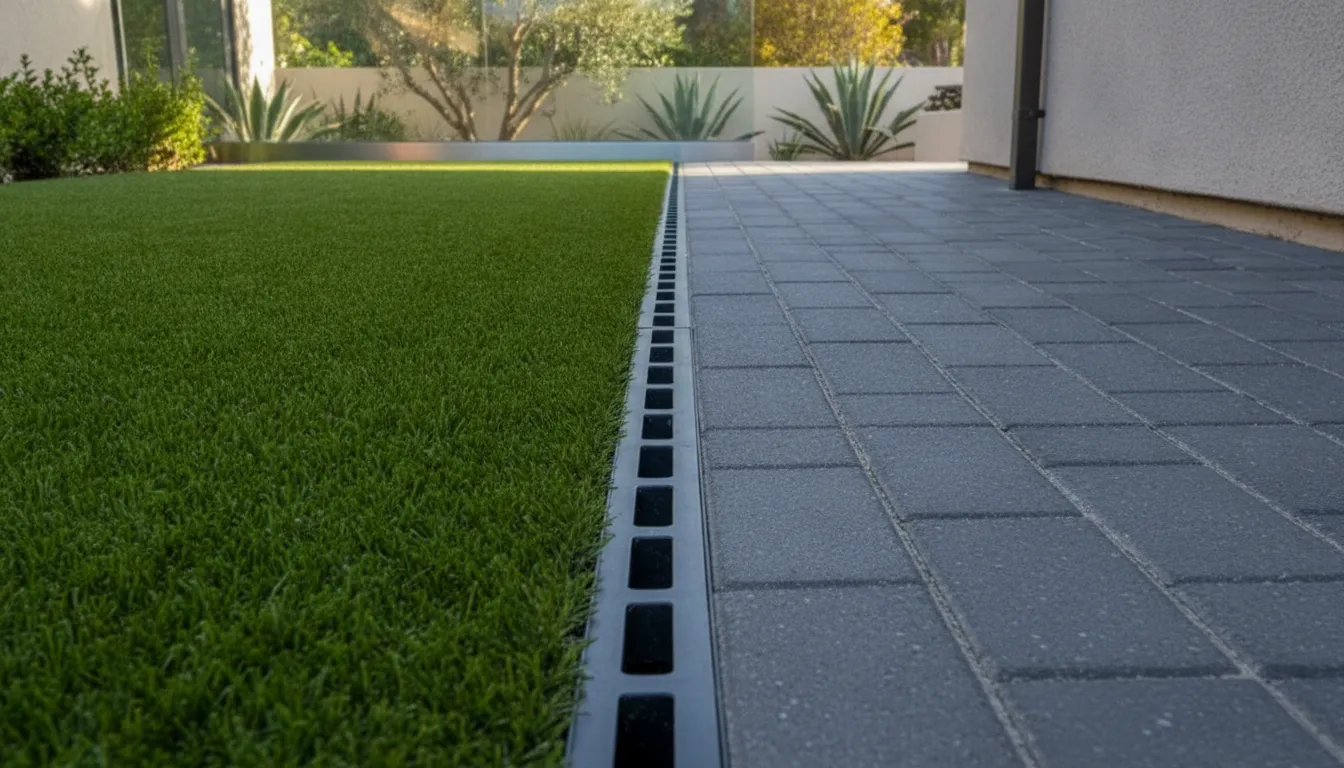
Choosing between a concrete slab and a brick paver patio starts with a look at the price tag. For many Orange County owners, the first cost is a key factor. Standard concrete often costs between $6 and $15 per square foot. On the other hand, high-end pavers often range from $8 to $25 per square foot. While the upfront cost for pavers is higher, the long-term value they add to a home often makes up for the gap.
Upfront Costs for Your Outdoor Space
Pacific Pavers focuses on high-end outdoor changes that create true living rooms. These custom projects often range from $30,000 to over $100,000. With more than 600 finished projects across coastal and suburban Orange County, our team knows how to mix cost with luxury. A high-quality professional paver patio installation ensures your space lasts for decades. You will not have to deal with the ugly cracks that are common in concrete slabs.
The table below compares the two most common types across key cost signs. While concrete seems cheaper at first, the repair costs and shorter life can lead to higher bills over time. Our goal is to give you a clear view of the total cost before you start your project. We want you to feel sure about your choice and the value it brings to your home.
| Material | Upfront Cost per Sq Ft | Typical Lifespan | Repair Complexity |
|---|---|---|---|
| Standard Concrete. | $6 – $15. | 10 – 15 Years. | High (Requires Full Slab Replacement). |
| Brick Pavers. | $8 – $25. | 25 – 50+ Years. | Low (Replace Individual Units). |
Long-Term Gains and Sale Value
A new patio is a cost that adds to your home value. In the busy Orange County house market, buyers look for high-end work. A well-built brick paver patio offers much better style than a plain concrete slab. This can lead to a higher sale price when you decide to sell your home. The modular design of pavers also means you can fix small areas easily if any issues come up later.
Beyond looks, some high-end paver systems offer big gains for the land. Permeable pavers help manage water by letting it soak into the soil. These systems can reduce stormwater runoff and help stop local floods. Using these smart types shows a promise of quality that many new buyers want. For a luxury home, the choice is easy to see.
Total Project Value and Quality
When you look at the total project price, the type you pick is just one part. Our full service includes design, site work, and top-tier skill. We focus on coastal and suburban areas where homes need the best look. By picking pavers, you avoid the future cost of tearing out a broken concrete slab. You get a space that stays pretty and useful for many years to come. This focus on long-term value is why so many people in the local area choose us for their homes.
Durability and Performance in Southern California’s Climate
Orange County homes sit on unique soil that presents clear tests for hardscape work. The local ground has clay that swells when wet and shrinks during dry spells. These soil shifts, plus small earth shakes, put stress on any outdoor area. When you choose a brick paver patio, you pick a system made to handle these moves. This helps you avoid the cracks and breaks common in other build types.
The issue with large concrete slabs
Standard concrete is one large, stiff piece of stone. Because it cannot bend, it does not move with the soil. As the ground shifts under your home, pressure builds until the stone breaks. This is why standard monolithic concrete slabs tend to crack and fade over time due to climate and settling. Once a crack starts, it is hard to fix without leaving a mark or replacing the whole area.
How modular pavers move with the soil
In contrast, a pro brick paver patio uses small, separate units. These pieces rest on a bed of crushed rock and sand. This setup creates a flexible floor that can move. Instead of fighting the ground, the pavers shift as the soil moves. Per the Interlocking Concrete Pavement Institute, this flex keeps the surface whole during earth shifts. These pavers offer great strength and value compared to standard concrete in our local climate.
Long term look and strength
Pavers keep their look better than poured stone over many years. Concrete often gets small cracks that trap dirt and water. This leads to stains and wear that are hard to clean. High grade pavers are made with color that goes all the way through the stone. This helps them resist sun fade and wear. By picking a modular plan, you keep your yard looking great for a long time despite the local weather.
How Do You Maintain and Repair a Brick Paver Patio?
A brick paver patio offers a big win for long-term care. While concrete slabs often crack and need a full replacement, pavers use a modular design. This means each piece works on its own. If one part of your patio has an issue, you only need to fix that small spot. This makes a brick paver patio installation a smart choice for people who want a low-stress yard.
Simple care for pavers
Most upkeep for pavers is easy to do. You should sweep your patio often to keep dirt away. Using a hose to wash the surface helps keep it clean. You might also want to add new sand to the joints every few years. This helps keep the pavers tight and stops weeds from growing. This simple plan keeps your yard looking new for a long time.
The modular repair process
One of the best parts of a paver system is how easy it is to fix. You do not have to tear up the whole yard to fix a small crack. Instead, you can pull up just the parts that need help. This keeps the cost low and the work fast. Here are the steps to fix a small area:
- Find the pavers that need to be fixed or moved.
- Use a flat tool to pull the single pavers out of the ground.
- Check the sand and base below to see if they need more work.
- Add more base or sand to make the ground level again.
- Place the pavers back into the spot and tap them down.
- Fill the gaps with new joint sand to lock the pieces in place.
- Sweep the area and add a light spray of water to set the sand.
Better for the water table
Pavers also help the land around your home. Many systems allow water to soak into the soil below. This helps recharge the water table by letting rain drain through the surface. It stops big puddles from forming on your patio. This is much better for your lawn and the local area than a solid slab of concrete.
Design Versatility, Patterns, and Orange County Aesthetics
A brick paver patio gives you more style choices than any other surface. In Orange County, the look of your home matters just as much as its strength. Choosing a custom layout lets you match the unique feel of your property. Our professional paver patio installation team helps you pick the right colors and shapes for your space. This choice ensures your outdoor area looks great and stays safe for years to come.
Classic Paving Patterns
The way you lay your pavers changes how people see your yard. A herringbone pattern offers a classic look that handles heavy weight well. It is a top choice for high-use areas because the pieces lock together tightly. You might also like a basketweave style for a more rustic, cozy feel. Running bond patterns give a clean, modern look that works well in smaller yards. These choices make your yard stand out and create a custom feel.
Matching Local Architecture
Orange County has many home styles, from Spanish Colonial to Coastal Modern. Your new patio should feel like a natural part of your home. Large slabs with clean lines work best for modern homes in Newport Beach. For a Spanish-style home, earth tones and aged textures keep the look authentic. Our turnkey design-build service uses 3D tools to show how each style fits your yard before we start. This plan keeps the project on track and meets local standards.
Safety and Style
Style should not come at the cost of safety. Using slip-resistant materials is a must for any pool deck or patio in Southern California. Exposure to the sun and water can wear down some surfaces quickly. Research shows that outdoor aging impacts materials more than indoor use, making durable choices vital. Brick pavers handle these stressors well while keeping their rich color. This blend of beauty and utility makes them a smart long-term investment for your home.
Do Brick Paver Patios Add More Home Value Than Concrete?
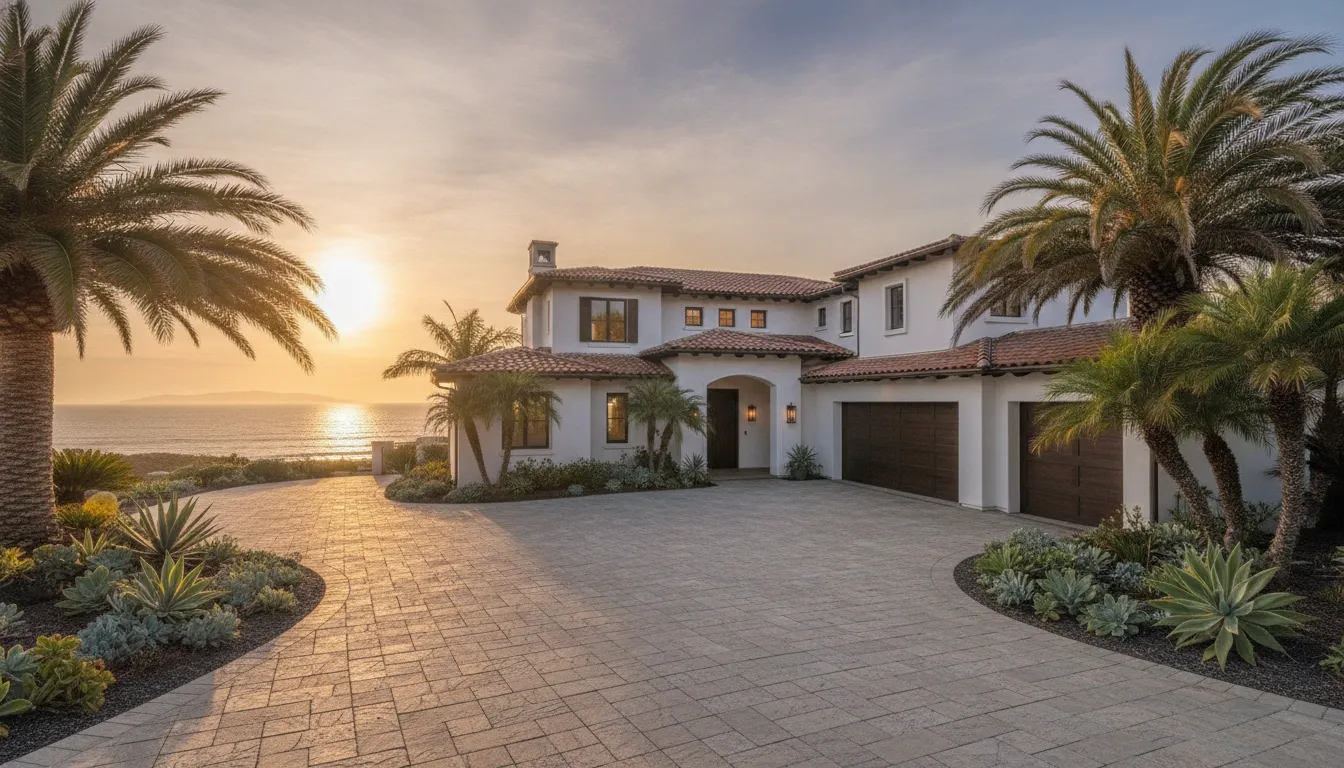
A brick paver patio is more than just a place to relax. It is a smart way to grow your home’s worth. In the Orange County real estate market, outdoor living spaces are key. Buyers look for top features that last for many years. A well-built patio can make a house stand out and sell for a much higher price. It creates a space that feels like a true part of the house.
Boosting Resale Value with Premium Hardscaping
Adding a brick paver patio gives your yard a look of class. Unlike plain concrete, pavers do not crack or fade quickly. This high-end look draws in buyers who want a home that is ready to use. A top-tier outdoor space adds real value to SoCal homes. It turns a simple backyard into a great spot for hosting and fun. People in this area love to spend time outside, so a nice patio is a major selling point. Strength plays a big part in home value. Parts that stay strong over time are better for your long-term wealth. Standard concrete often fails because it cannot move with the ground. Pavers are different because they can shift without breaking. Studies show that regular upkeep and sealers help keep outdoor surfaces from wearing down. This keeps your yard looking brand new for many years. When it is time to sell, a clean and sturdy patio proves the home was well cared for.
Navigating HOA Guidelines in Southern California
Getting a new patio approved by an HOA can be hard. Many groups in towns like Newport Beach or Irvine have strict rules. They want to see a design that fits the local area and stays clean. Our team has finished over 600 hardscape projects in the local area. We know exactly what boards look for and how to help you get a “yes” on your plans. We use high-tech 2D and 3D design plans to show exactly how the project will look. This helps board members see the quality of the work before we ever start. These clear plans make the approval process move much faster. Our professional paver patio installation team handles all the hard details. We make sure every part of the plan meets local standards. We also ensure it matches the style of your home. Pacific Pavers has deep roots in many local areas. We offer HOA pool deck renovation and patio services that focus on high quality. We know that board members want builders they can trust. Using an ICPI-certified team means the job is done right the first time. This lowers the risk for the board and keeps the area looking its best. Our goal is to make the process easy for both the homeowner and the HOA board.
Frequently Asked Questions
Is it better to DIY or hire a professional for a brick paver patio?
Hiring a skilled team ensures your patio is built to last and meets local rules. The ICPI-certified crew at Pacific Pavers handles the heavy work of digging and leveling to prevent sinking. For Orange County homes, a pro also follows all HOA rules and handles the whole design-build process. While a DIY project can save money at first, expert work prevents the costly mistakes that lead to major failure or water drainage issues.
How do I prepare the base for a brick paver patio?
A strong base starts with digging out the soil to a depth of about six to eight inches. You then fill the area with a layer of crushed stone and compact it tightly to create a stable base. A thin layer of sand is spread over the rock to hold the pavers in place. According to Mutual Materials, a good base allows for better water flow. This keeps the surface level for many years.
Do brick paver patios require a lot of maintenance?
Brick pavers are very easy to care for and need far less work than a solid concrete slab. Routine tasks like sweeping and a quick wash keep the surface looking fresh. If a single unit gets stained or broken, you can swap it one by one without tearing up the rest of the yard. Research from the NIH shows that regular care and sealing can greatly extend the life of outdoor surfaces.
How long do brick paver patios last?
A high-quality paver patio can last for 25 to 50 years or even longer. This is much better than poured concrete, which often starts to crack in just 10 to 15 years. Because each brick is a single unit, the surface can flex as the ground moves without breaking. According to Pacific Pavers, using durable stone or clay ensures your yard stays in great shape for decades. This long life makes pavers a smart long-term spend for any home.
Ready to schedule a complimentary outdoor design consultation?
Putting off your patio upgrade only leads to more cracks and higher repair costs later, while a worn concrete slab lowers your home value. If you set up your project now, you can enjoy your new backyard before the next holiday instead of waiting for many months. Our team will help you pick the best look and ensure a smooth professional paver patio installation from start to finish. You can finally have the outdoor kitchen or fire pit you have always wanted for your yard. Get started today to make sure your outdoor living space is ready and beautiful when you need it most.
Ready to schedule? Call (714) 718-3970 to schedule a complimentary outdoor design consultation.