
Living in an HOA community means your dream Alumawood patio cover needs a green light from the board. This can feel like a huge hurdle, but it doesn’t have to be a fight. The key is understanding what they’re looking for from the start. A smooth HOA approval process begins with a solid plan and clear communication. We’ll walk you through exactly how to prepare your application and present your project, so you can get that ‘yes’ and start enjoying your new outdoor space.
- HOA Approval is Mandatory: Always get written approval before starting construction. Without it, you risk fines, removal of the structure, or legal issues.
- Prepare Thorough Applications: Include architectural drawings, site plans, material samples, and photos. Missing details often delay the process.
- Expect a 30–60 Day Review: HOA approvals take time. Submit your application well before your planned start date.
- Follow HOA Rules and Local Codes: Both HOA guidelines and local building permits are required. For example, in California, covers over 120 square feet need a permit.
- Hire Professionals When Possible: Licensed contractors familiar with HOA projects can simplify the process and ensure compliance.
Skipping these steps could lead to costly mistakes, so take the time to follow the proper process. Keep reading for detailed insights into navigating HOA requirements, preparing applications, and managing timelines effectively.
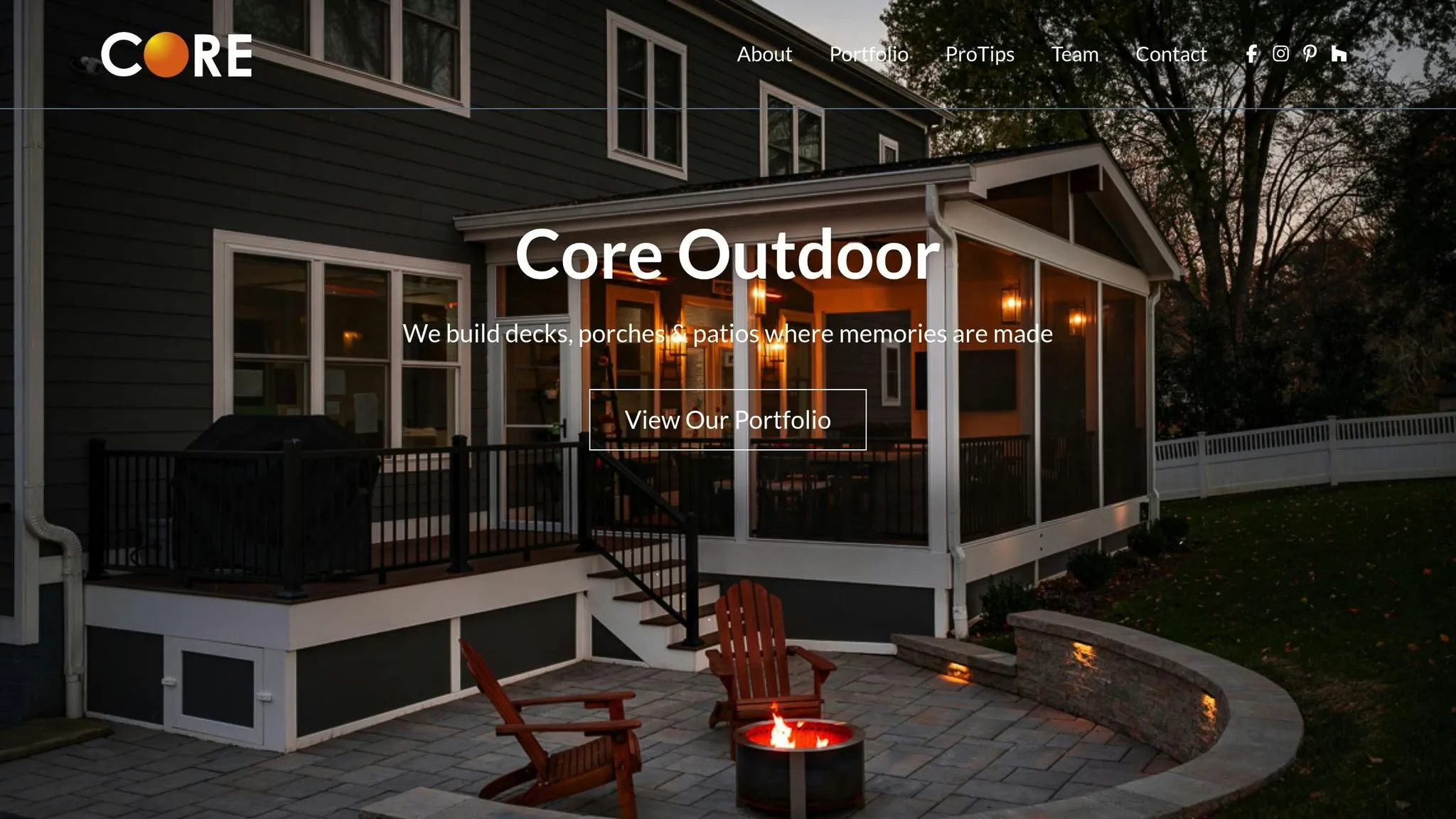
Want to Build a Deck or Patio? Here’s What Your HOA Requires | Core Outdoor | NOVA
First Things First: Understanding Your HOA’s Rules
Homeowners Association (HOA) Covenants, Conditions, and Restrictions (CC&Rs) set mandatory guidelines to maintain property values and ensure neighborhood consistency. These rules often apply to Alumawood patio covers, focusing on both aesthetics and structural integrity.
Before starting your project, take time to review your HOA’s specific requirements. Just because a neighbor’s patio cover was approved in the past doesn’t mean the same rules still apply. Building codes and HOA regulations can change, and understanding these updates early can save you from costly changes later. This preparation will also help you navigate the design process more smoothly.
What Kinds of Projects Need HOA Approval?
Generally, any project that alters the exterior appearance of your home or property requires HOA approval. This is to ensure the changes align with the community’s established aesthetic. Common projects that fall under this umbrella include installing a new paver patio, reconfiguring a driveway, or adding a fence. More significant structural changes, like building an outdoor kitchen, a firepit, or even major landscaping overhauls, will almost certainly need a formal review. Even seemingly small updates, such as changing your front door color or removing a tree, can be subject to approval. Before you get too far into planning, your first step should always be to consult your HOA’s specific guidelines to see what’s required.
HOA Design Rules for Alumawood Covers

Most HOAs enforce specific design rules, particularly around material quality, color, and structural details. When it comes to Alumawood covers, many associations require powder-coated aluminum products from an approved vendor list.
Color coordination is often a major focus. Some HOAs provide a set palette of approved colors, while others may require the cover to match the trim or roof color of your home. Bright or reflective finishes are usually off-limits to maintain a cohesive look throughout the neighborhood.
In states like California, you’ll need a building permit for covers exceeding 120 square feet. Placement rules often restrict patio covers to the backyard or require attachment to the main house. Additionally, many HOAs want the design to complement the home’s roof pitch or overall architectural style.
To ensure compliance with both HOA rules and local building codes, many associations recommend hiring licensed contractors to handle the installation.
Common Restrictions to Watch Out For
HOAs often impose height limits on patio covers, typically capping them at 10 to 12 feet. These restrictions help prevent the structure from overwhelming neighboring properties or obstructing views.
Setback requirements are another common rule. These usually mandate a minimum of 5 feet from rear and side property lines, ensuring privacy, easier maintenance access, and fire safety compliance.
Visibility can also be a concern. Some HOAs restrict patio covers that are easily seen from the street or shared spaces. In such cases, additional landscaping or screening may be required to minimize the visual impact.
View obstruction rules are another layer of regulation. These ensure that your patio cover doesn’t block a neighbor’s windows, patios, or outdoor spaces. Structural attachment guidelines may further dictate where and how the cover can connect to your home. For example, some HOAs only allow attachments in specific areas, while others may prohibit free-standing structures altogether. These rules are designed to maintain a uniform and harmonious look within the community.
For homeowners in Orange County, Pacific Pavers offers expertise in HOA-compliant renovations and Alumawood patio covers, ensuring your project aligns with both community standards and personal preferences.
Quiet Hours and Construction Timelines
Beyond the design itself, your HOA will have rules about the construction process. Most communities enforce quiet hours, typically limiting construction work to weekdays between 8 a.m. and 5 p.m. to minimize disruption for your neighbors. It’s also important to remember that the HOA approval process isn’t instant; it can often take 30 to 60 days to get a decision. Plan ahead and submit your application well before you intend to start building. If you don’t follow these timeline and scheduling rules, you could face fines or even a stop-work order, so it’s best to coordinate closely with your contractor to ensure everyone is on the same page.
Environmental and Material Rules
HOAs maintain neighborhood consistency by enforcing specific design rules, especially regarding materials and colors. For an Alumawood patio cover, your HOA will likely require certain material grades and may have a pre-approved color palette to choose from. Often, the cover must match your home’s existing trim or roof color to create a cohesive look. Some associations also have environmental guidelines, such as rules for proper water drainage or protecting existing trees and landscaping during construction. Working with a contractor who understands these local requirements can make the material selection process much easier, ensuring your project gets approved without a hitch. You can see examples of beautifully compliant projects in our online gallery.
How to Prepare Your HOA Application
Getting approval for your Alumawood patio cover application starts with solid preparation. According to a 2024 survey, 68% of HOA patio cover applications are sent back for revisions due to missing or incomplete documentation. Taking the time to organize your materials upfront can save you weeks of back-and-forth communication.
The key is understanding your HOA’s requirements and presenting your application in a clear, professional manner. Missing documents or vague details are among the most common reasons for delays, often leading to requests for additional information. Below, you’ll find a breakdown of what documents you’ll need and tips for submitting a polished application.
Your HOA Application Checklist: Documents You’ll Need
To move through the approval process smoothly, your HOA application package should include a few essential documents. These typically include:
- Architectural drawings: These should detail measurements, structural connections, and how the patio cover integrates with your home. Ensure they are professionally prepared with clear labels and dimensions in feet and inches.
- Site plans: Show the exact placement of the patio cover, including setback distances from property lines.
- Photos or renderings: Provide visuals of the proposed design to help the HOA board understand how the finished project will look from different angles.
- Material and color samples: Demonstrate that your project complies with community aesthetic standards.
- Additional documents: Some HOAs may require building permits or neighbor affidavits if the project impacts nearby views.
For example, in California, building permits are mandatory for patio covers larger than 120 square feet. If this applies to your project, it’s a good idea to coordinate this documentation early.
Since HOA requirements can vary by community, always consult your specific HOA’s application checklist to ensure you include everything needed.
How to Submit an Application That Gets Approved
Submitting an organized and thorough application can speed up the approval process. Arrange your documents in a logical order, starting with a cover letter that summarizes your project. Follow this with detailed plans, photos, and material samples. Clearly label all folders and digital files for easy navigation.
Your cover letter should be concise but informative, explaining how your project aligns with HOA guidelines. Address any potential concerns upfront, and reference relevant sections of your CC&Rs to demonstrate your understanding of the rules.
Adding a checklist to your submission can also be helpful. Include all required items with checkboxes to show you’ve double-checked every detail.
If your HOA accepts digital submissions, take extra care to prepare your files. Use high-resolution formats like PDF or JPEG, ensure proper orientation, and compress large files to avoid email issues. A consistent layout with clear headings and page numbers can make your submission more professional. For physical samples, mount them neatly on backing material and label them clearly.
Working with a licensed contractor who has experience with HOA projects can also make a big difference. For instance, companies like Pacific Pavers specialize in Alumawood patio covers and are familiar with navigating HOA requirements in Orange County. Their expertise can help ensure your application meets both structural and aesthetic standards.
Lastly, keep copies of all submitted documents and communications for your records. This can be invaluable if questions arise during the review process.
HOA approval times typically range from 30 to 60 days. Submitting your application well in advance of your planned start date can help you avoid delays, especially during busy seasons. Early preparation also ensures you can schedule installation during favorable weather conditions.
Building a Good Relationship with Your HOA Board
Building a positive relationship with your HOA board can make the entire approval process feel less like a hurdle and more like a collaboration. Before you even submit your application, make an effort to attend a few HOA meetings or volunteer for a community event. This helps you get to know the board members as neighbors and shows that you’re invested in the community’s well-being. When you do present your project, maintain that same respectful and proactive tone. Clear communication is key, so be prepared to explain how your new patio cover not only enhances your property but also contributes positively to the neighborhood’s overall aesthetic. Framing your project with community benefits in mind demonstrates that you’ve considered the bigger picture and respect the shared standards.
What to Expect During the HOA Approval Process
Once your application package is ready, it’s time to start the HOA approval process. While the steps are generally consistent, the timeline can vary depending on your HOA’s meeting schedule and workload. Some committees meet monthly, while others gather quarterly, which can affect how quickly your application is reviewed. Here’s a closer look at the process and how to navigate it effectively.
Working with the Architectural Review Committee (ARC)
Building a good relationship with your Architectural Review Committee (ARC) can make the approval process much smoother. The ARC is made up of fellow homeowners tasked with upholding the community’s aesthetic standards, so it helps to approach them as collaborators. If possible, attend an HOA meeting before submitting your application to understand the committee’s priorities and recent decisions. When you do submit, be prepared to answer questions clearly and provide any requested revisions promptly. A responsive and respectful attitude shows the committee you’re committed to a project that benefits both your home and the neighborhood as a whole.
If managing this communication feels overwhelming, consider working with a contractor who has experience with local HOAs. At Pacific Pavers, we’re familiar with the standards of many Orange County communities and can help ensure your Alumawood patio cover plans are presented clearly and professionally. We can often anticipate the ARC’s questions and prepare documentation that addresses their potential concerns from the start, which helps streamline the review and keep your project on track without unnecessary delays.
A Step-by-Step Guide to the Application Process
With your application package in hand, follow these steps to move through the approval process smoothly:
- Review HOA Guidelines: Start by carefully reading your HOA’s CC&Rs (Covenants, Conditions, and Restrictions) and design guidelines. This helps ensure your project aligns with community standards and avoids unnecessary conflicts.
- Submit Your Application: Hand in your application to the HOA board or management company, adhering to their specific submission requirements. Your package should include all necessary documents, such as architectural drawings, site plans, material samples, and any other forms requested by your HOA.
- Committee Review: Once submitted, the HOA committee will review your application. They’ll compare your proposal against community rules and may consult architectural professionals for input. Since meetings are held on a regular schedule, timing your submission strategically can help speed things up.
- Address Feedback: If the committee has concerns, they’ll request additional details or revisions. This might include changes to materials, colors, or the structure’s placement. Responding quickly to these requests can prevent unnecessary delays.
- Receive Written Approval: Before starting construction, secure written approval from the board. This document serves as legal permission and protects you from potential disputes down the road. Keep the approval letter with your permanent home records.
For homeowners in Orange County, contractors like Pacific Pavers can simplify the process. They often work directly with HOA boards, handling much of the communication and paperwork to ensure your project meets community standards.
Now that you know the steps, it’s important to focus on managing timelines and communication effectively.
How Long Does Approval Take? (And How to Talk to Your HOA)
The review process can take longer if additional documents or revisions are needed. Planning your submission carefully can help avoid unnecessary delays. For example, if your HOA meets monthly and you submit your application just after a meeting, you may have to wait nearly a month before it’s reviewed. Submitting your application shortly before a scheduled meeting can help minimize wait times.
Here are some tips to keep things on track:
- Confirm Submission: After submitting, check with the HOA board or management company to ensure they’ve received your application. Ask about the expected timeline for review.
- Document Everything: Keep detailed records of all emails, phone calls, and conversations with board members. These records can be helpful if questions arise later about the approval process or conditions.
- Respond Quickly: If the committee requests additional materials or revisions, provide them as soon as possible. Delays on your end could push the review to the next meeting cycle, adding 30 to 60 days to the process. If you need extra time, communicate clearly and give a realistic timeline for when you’ll provide the requested items.
- Follow Up Respectfully: If your application seems stuck, reach out to the board or management company. Regular follow-ups, done in a polite and professional manner, can help ensure your application stays on their radar.
sbb-itb-11ea599
Beyond the HOA: What About Local Building Codes?
When installing an Alumawood patio cover, securing HOA approval is just the first step. You’ll also need to obtain local building permits to ensure your project complies with local regulations. While HOA approval focuses on maintaining neighborhood design standards and aesthetics, building permits address structural safety and legal compliance. Both are essential to protect your investment and ensure your project is up to code. For example, in California, patio covers exceeding 120 square feet generally require a permit. After securing these approvals, you’ll need to consider specific structural requirements.
Local building codes outline essential structural rules, including minimum footing depth, wind resistance, fire safety, and setback distances from property lines. These regulations are designed to protect homeowners and their communities. Additionally, insurance companies may refuse to cover damages related to structures that lack proper permits. By adhering to these codes and HOA standards, you ensure a safe and legally compliant installation.
How to Handle Both HOA Approval and City Permits
To streamline the approval process, it’s important to follow the correct sequence. Start by obtaining written HOA approval, as this is typically required before applying for a building permit. Always confirm HOA approval before proceeding with the permit application. Since permit requirements vary by location, check with your local building department before beginning any construction.
Hiring a professional contractor familiar with local codes can make this process much easier. For instance, Pacific Pavers, a contractor specializing in HOA renovations and Alumawood patio covers in Orange County, manages both HOA communications and building permit applications. Their expertise helps homeowners avoid common compliance issues.
Timing is also critical. HOA approvals can take 30 to 60 days, while building permit reviews may range from a few days to several weeks, depending on the project’s complexity and the local office’s workload. Submitting thorough and accurate documentation for both approvals can help you avoid unnecessary delays and keep your project on track.
What Happens If You Build Without Approval?
Skipping the approval process might seem tempting when you’re eager to start, but the risks are significant. Homeowners who bypass these steps face steep fines, potential legal action from their HOA, and even the forced removal of their structure. In Murrieta, California, failing to secure the proper permits can result in serious penalties, including dismantling completed patio covers.
One real-life example highlights the risks: a California homeowner installed a patio cover over 120 square feet without obtaining a required permit. When storm damage occurred, their insurance claim was denied because the structure didn’t meet code requirements.
To safeguard your investment, schedule inspections promptly after permit approval and keep all documentation – both HOA and building permits – accessible during construction. These precautions ensure your Alumawood patio cover complies with all rules and enhances your property while avoiding costly setbacks.
The Risks: Fines, Legal Action, and Neighbor Disputes
Building without approval can lead to serious headaches that go far beyond a simple warning. HOAs have the authority to issue steep fines that accumulate over time. They can also take legal action, which could end with a court order forcing you to remove the structure at your own expense. Imagine spending time and money on a beautiful new patio cover, only to be told you have to tear it down. This isn’t just a hypothetical; it happens in communities across California. Beyond the financial and legal troubles, skipping the approval process can also strain relationships with your neighbors, creating unnecessary tension in the community you call home.
What to Do If You’ve Already Built Without Permission
If you’ve already installed a structure without getting the green light, don’t panic. The best approach is to be proactive and transparent. Start by gathering all your project documents, including the plans and materials list. Then, schedule a meeting with your HOA board to present your case. Explain the situation honestly and be prepared to discuss modifications that could bring your project into compliance. It’s also a good idea to thoroughly review your community’s CC&Rs to understand the specific rules. If discussions stall, you may need to consult a lawyer who specializes in HOA disputes to understand your options. Throughout the process, maintaining a respectful and cooperative attitude can make a significant difference.
What to Do if Your Project is Denied
Receiving a denial letter from your HOA can feel like a major setback, especially after you’ve spent time and energy planning your new Alumawood patio cover. It’s easy to feel frustrated, but it’s important to remember that a denial is rarely the final word. More often than not, it’s an invitation to provide more information or make a few adjustments. The HOA’s primary goal is to maintain a consistent and harmonious look throughout the community, so their feedback is usually focused on ensuring your project aligns with established standards. Instead of viewing it as a rejection, think of it as a checkpoint in the process.
The key is to approach the situation calmly and strategically. A thoughtful, well-prepared response is much more effective than an emotional one. By taking the time to understand exactly why your application was turned down, you can address the board’s specific concerns and present a revised plan that meets their requirements. This methodical approach not only increases your chances of getting an approval but also helps maintain a positive relationship with your HOA. The following steps will guide you through how to interpret the denial and build a strong case for your appeal.
Understanding the Reasons for Denial
Your first step is to carefully read the denial letter. This document is your roadmap to getting an approval, as it should clearly state why your project was not accepted. Often, a denial isn’t about the project itself but about the application. Common reasons include missing documents, vague details, or a failure to follow specific community guidelines on materials or colors. The board might have concerns about the structure’s placement or its overall aesthetic impact on the neighborhood. The letter will point you directly to the issues that need to be addressed, so review it thoroughly and make a list of every concern raised.
Once you have your list, you can start gathering the necessary information to resolve each point. Sometimes, the fix is as simple as providing a missing document or clarifying a detail in your plans. For example, if the board found your drawings unclear, you may need to submit a more detailed version. If they had concerns about the materials, providing physical samples could help. By treating the denial letter as a constructive critique rather than a rejection, you can systematically prepare a revised application that directly addresses the board’s feedback and demonstrates your commitment to following community rules.
How to Appeal the HOA’s Decision
Once you understand the reasons for the denial, you can begin the appeal process. Most HOAs have a formal procedure for reconsideration, which usually involves submitting a revised application or requesting a meeting with the board to discuss your project. Prepare for this by addressing every point mentioned in the denial letter. This might mean providing clearer architectural drawings, material samples, or even new 2D/3D designs to help the board visualize how the finished project will align with community standards. A professional presentation shows you’ve taken their feedback seriously.
When you communicate with the board, maintain a collaborative and respectful tone. Your goal is to find a solution together, so show that you’re willing to make reasonable adjustments to your plan. Being open to compromise, like changing a color or slightly modifying the placement, can often turn a denial into an approval. If you’re working with a contractor like Pacific Pavers, they can often help you navigate this process, as they have experience presenting projects to HOA boards and can ensure your revised application is clear, complete, and professional.
Why You Should Hire a Pro for Your Project
Getting HOA approval for Alumawood covers can be a tricky process. It often requires detailed paperwork, adherence to strict design rules, and navigating challenging communication with HOA boards. This is where teaming up with a licensed contractor can make all the difference. With their expertise and experience, they can turn what might feel like a stressful ordeal into an efficient and streamlined process, ensuring your vision aligns with HOA requirements.
Why Hire a Licensed Contractor?
Licensed contractors take the hassle out of the approval process by managing the technicalities for you. They handle all the paperwork, ensuring every document meets HOA standards and guidelines.
Additionally, they act as your go-between with the HOA board. This includes interpreting requirements, addressing any questions, providing necessary clarifications, and making revisions to keep things on track. Their experience with common HOA preferences – like approved color schemes, attachment methods, and height limits – allows them to suggest designs that align with your vision while staying within the rules, minimizing the chances of rejection.
Another advantage? They save you time. While HOA approvals can take anywhere from 30 to 60 days, experienced contractors help prevent unnecessary delays. Many even include complimentary revisions, sparing you extra costs and setbacks.
Pacific Pavers‘ Expertise with Alumawood Covers

Pacific Pavers exemplifies the benefits of working with professionals. Specializing in HOA renovations in Orange County, they focus on Alumawood and Struxure patio covers, offering a comprehensive approach to ensure every project meets HOA standards while enhancing the neighborhood’s overall look.
Their reputation speaks volumes. With an impressive 4.9/5 average rating based on 127 reviews on Google and Yelp, Pacific Pavers consistently delivers projects that delight homeowners. Their commitment to quality shines through in their use of high-grade materials and skilled installers who understand both the technical aspects of Alumawood installation and the specific design standards required by HOAs. They follow best practices and conduct thorough inspections to ensure long-lasting results.
Customer reviews frequently highlight their punctuality, budget-friendly solutions, and meticulous attention to detail.
Pacific Pavers takes care of everything, from the initial design consultation to the final installation. This seamless process ensures that the plans approved by the HOA are carried out exactly as intended, avoiding any compliance issues that might arise from changes during construction. Their familiarity with local building codes also helps them coordinate HOA approvals with city permits, keeping both processes running smoothly.
For homeowners in Orange County’s HOA communities, Pacific Pavers’ deep understanding of local requirements and their established relationships with HOAs can be the key to avoiding delays and ensuring a hassle-free approval process.
A Quick Recap for Your Project
If you’re planning to install an Alumawood patio cover in an HOA-regulated community, it’s crucial to follow the community rules and local building codes. Sticking to the proper approval process not only safeguards your investment but also helps you avoid expensive mistakes like having to remove or rebuild your patio cover.
Start by securing formal approvals. Get written HOA approval before starting construction. Skipping this step could lead to fines, legal trouble, or even forced removal of your patio cover. It might also void any related insurance claims. Keep in mind that the HOA review process typically takes 30–60 days.
You’ll also need to obtain both HOA and local building permits. For example, in California, a permit is required for patio covers that exceed 120 square feet. These approvals serve different purposes: HOAs focus on the appearance and harmony with the community, while building permits ensure structural safety. Make sure to secure both.
When submitting your application, include all necessary details to avoid unnecessary delays.
Consider hiring a licensed contractor who has experience with HOA projects. This can make the approval process much smoother.
Keep copies of all HOA approvals and permits on hand throughout the construction process to avoid potential disputes.
Lastly, review your HOA’s CC&Rs (Covenants, Conditions, and Restrictions) thoroughly, as rules can vary significantly between communities.
FAQs
What happens if I install an Alumawood patio cover without HOA approval?
Failing to get HOA approval before putting up an Alumawood patio cover can cause some serious headaches. Your HOA might demand that you take down or alter the structure to fit their design rules, which could end up being both expensive and a major hassle. On top of that, you could be hit with fines or penalties for not following their regulations.
To steer clear of these problems, make sure to go through the proper approval process. This usually means submitting detailed plans and double-checking that your project meets the HOA’s requirements. Taking care of this ahead of time can save you a lot of stress – and money – down the road.
Why is it helpful to hire a licensed contractor for getting HOA approval for Alumawood patio covers?
Hiring a licensed contractor can take the hassle out of navigating the HOA approval process for Alumawood patio covers. These professionals are familiar with HOA guidelines, ensuring your project aligns with community rules and providing precise plans and documentation for submission.
For example, licensed contractors, such as Pacific Pavers, bring the know-how to meet design standards and tackle any HOA concerns. This not only saves you time but also helps prevent unnecessary delays or rejections.
What documents do I need to include in my HOA application for an Alumawood patio cover to ensure a smooth approval process?
When submitting your HOA application for an Alumawood patio cover, it’s important to include all the necessary documents to avoid delays. Generally, you’ll need:
- Detailed plans or drawings that outline the design, dimensions, and location of the patio cover.
- Material and color samples to demonstrate that the Alumawood cover aligns with HOA design standards.
- A property site plan showing exactly where the patio cover will be installed.
- A completed HOA application form with all required signatures.
Since HOA requirements can differ, make sure to review your specific guidelines carefully. Submitting accurate and complete information from the start can make the approval process much smoother.
Related Blog Posts
- Top 6 Patio Cover Materials for Hot Climates
- HOA Landscape Rules: What Homeowners Can Change
- Patio Cover Permits vs. HOA Approvals: Key Differences
- Ultimate Guide to HOA Hardscape Approvals
Key Takeaways
- Submit a Flawless Application: Avoid common delays by understanding your HOA’s specific rules ahead of time and submitting a complete package with professional drawings, site plans, and material samples.
- Secure Both HOA and City Approvals: Your project needs two green lights: written approval from your HOA for community aesthetics and a separate building permit from your city to ensure it meets safety codes.
- Partner with an Experienced Contractor: A professional who knows local HOA rules can manage the entire approval process for you, from preparing the application to communicating with the board, ensuring your project stays on track.

Jeff Tobin is the founder of Pacific Pavers, an award-winning outdoor living company serving Orange County, California. With a 30-person team of ICPI-certified professionals, Jeff specializes in transforming residential and HOA properties through custom paver installations, pool remodeling, and complete outdoor living spaces. His company philosophy—”Flawless craftsmanship. Clear communication. Zero stress.”—reflects his commitment to delivering premium results and exceptional customer experiences. As a BBB-accredited business and Belgard Master Craftsman, Pacific Pavers has become known for process-driven operations and elite craftsmanship in the hardscape industry.