
Maintaining a perfect poolside lawn in an HOA community can feel like a constant battle. You’re dealing with muddy patches, slippery grass, and sky-high water bills. This is why so many communities are choosing HOA synthetic grass as a smarter alternative. It’s a simple upgrade that saves money, improves safety, and maintains a polished, resort-style look year-round. It’s becoming a popular choice for a reason. Here’s why it stands out:
- Low Maintenance: Reduces water usage by up to 70%, eliminates mowing, and can save HOAs over $10,000 annually in water and landscaping costs.
- Safety: Slip-resistant and avoids muddy patches, making poolside areas safer for residents.
- Durability: Lasts 15-20 years, resists damage from pool chemicals, and stays green year-round.
- HOA Compliance: Easier approval processes with clear guidelines for pile height, face weight, and material standards.
Professional installation ensures proper drainage, seamless edges, and adherence to HOA rules, preventing costly mistakes. Companies like Pacific Pavers specialize in HOA projects, offering tailored solutions for pool areas that prioritize safety and long-term performance. If you’re considering synthetic grass for your HOA pool, this guide covers everything from benefits to compliance and installation tips.
Your Guide to Installing Artificial Grass by the Pool
Why Choose Synthetic Grass for Your HOA Pool?
Property managers and HOA boards are increasingly recognizing that synthetic grass offers advantages that extend far beyond its appealing appearance. These benefits align perfectly with HOA priorities like safety, aesthetics, and cost management.
Enjoy Lower Maintenance and Costs
Switching to synthetic grass can significantly cut maintenance expenses for HOAs. Say goodbye to irrigation systems, lawn mowers, and landscaping crews.
HOAs can lower water usage by up to 70% and save over $10,000 annually in combined water and maintenance costs. Over time, these savings add up, making synthetic turf a wise financial decision for community spaces.
In states like California, local water districts sweeten the deal by offering rebates for synthetic turf installations, providing upfront cost relief. Beyond just saving money, synthetic grass also boosts poolside safety.
Comparing Upfront Costs: Turf vs. Sod
Let’s talk numbers. There’s no getting around the fact that synthetic turf has a higher initial price tag than natural sod. A professional turf installation typically runs between $5 and $20 per square foot, while sod is significantly less, usually under $1 per square foot. It’s important to view this not just as a purchase but as a long-term investment in your community’s property. The upfront cost covers durable materials and expert installation, which sets the foundation for years of minimal upkeep. Think of it as a one-time capital improvement that eliminates a whole category of recurring maintenance expenses from your annual budget, a trade-off that many HOAs find financially attractive over time.
Long-Term HOA Budgeting Considerations
While the initial outlay for turf is higher, the long-term financial picture tells a different story. The real value emerges when you look at the total cost of ownership. With synthetic grass, you can practically eliminate your budget lines for mowing, fertilizing, re-seeding, and irrigation system repairs. Many HOAs reduce water consumption by up to 70% and save more than $10,000 each year on combined water and maintenance costs. These substantial savings free up funds that can be reallocated to other community projects, like upgrading amenities or adding to reserve funds, making it a smart and strategic financial decision for the entire association.
Exploring Local Water Rebates
Here in California, there’s another financial incentive to consider: water rebates. To encourage water conservation, many local water districts offer programs that help offset the cost of replacing natural grass with water-wise alternatives like synthetic turf. With recent legislation like AB 1572 restricting the irrigation of “non-functional turf” in common areas, making the switch is becoming less of a choice and more of a necessity for HOAs. It’s absolutely worth checking with your local water authority, like the Municipal Water District of Orange County, to see what rebates your community qualifies for. These programs can significantly reduce the initial investment and shorten the time it takes to see a return.
Create a Safer, Slip-Resistant Poolside
Natural grass around pools often turns muddy and slippery, creating a safety hazard. Synthetic grass offers a slip-resistant surface, reducing the risk of falls and injuries around pool areas.
Unlike natural grass, synthetic turf doesn’t form muddy patches or puddles, ensuring consistent traction even when wet. This makes it safer for everyone moving between the pool and its surroundings.
Compared to hard surfaces like concrete, synthetic grass is softer and less abrasive. This added cushioning not only enhances safety but also reduces liability concerns for HOA boards.
Additionally, the built-in drainage system prevents standing water, which can otherwise harbor bacteria or create slippery conditions. The surface dries quickly, staying safe and ready for use much faster than natural grass.
Get a Beautiful Lawn That Lasts
Synthetic grass doesn’t just save money and improve safety – it also keeps its good looks for years. With proper maintenance, synthetic grass can last 15-20 years, making it a cost-effective long-term solution for HOAs.
Thanks to UV-resistant fibers, synthetic turf maintains its vibrant green color no matter the weather. It stays lush and green year-round, avoiding the brown patches and thinning that plague natural grass.
| Durability Factor | Natural Grass | Synthetic Grass |
|---|---|---|
| Lifespan | Requires replanting every 2-5 years | 15-20 years with proper maintenance |
| Weather Resistance | Struggles with drought, heat, cold | UV-resistant, all-weather performance |
| Chemical Tolerance | Damaged by chlorine splash | Resistant to pool chemicals |
A Watersavers Turf study revealed that a Southern California HOA saved over $10,000 annually in water and maintenance costs after installing synthetic grass.
For HOAs, selecting turf with a pile height of 1.75–2 inches and a face weight of 65 oz per square yard ensures it meets both aesthetic and performance expectations. Its longevity and minimal maintenance make synthetic turf an increasingly popular choice for communities that value both style and smart spending.
Choosing High-Quality, Realistic Turf
Not all artificial grass is created equal, and selecting a high-quality product is key to ensuring your community’s pool area looks fantastic for years. The best synthetic turf mimics the appearance of a healthy, natural lawn. Look for turf with multiple shades of green and brown fibers, varied blade heights, and a textured thatch layer at the base. These details create a realistic look that blends seamlessly with the surrounding landscape. It’s also essential to choose a product with built-in UV protection to prevent the blades from fading under the California sun, ensuring the vibrant green color lasts. A quick look through a project gallery can show you the difference high-quality, professionally installed turf makes.
Beyond aesthetics, the technical specifications determine the turf’s durability and feel. For a high-traffic area like an HOA pool, pay attention to the pile height and face weight. A pile height of around 1.75 to 2 inches provides a lush, full look without being too long to maintain. Face weight, which measures the density of the turf fibers, should ideally be around 65 ounces per square yard to ensure it can withstand constant foot traffic. An experienced installer can help you choose the right specifications to balance beauty, performance, and your community’s budget, guaranteeing a safe and attractive poolside environment for all residents.
Meeting HOA Requirements for Synthetic Grass
Installing synthetic grass around HOA pools isn’t as simple as laying down turf – it requires careful attention to community regulations and approval processes. Below, we’ll dive into the rules and documentation typically required by HOAs for synthetic grass installations.
First, Check Your HOA’s Rules
HOAs often have detailed standards for synthetic grass that go beyond just getting approval. For instance, many require the turf to have a 2-inch pile height and a face weight of about 65 oz. per square yard. Other common guidelines include using specific turf types, adhering to approved color schemes that align with the neighborhood, and choosing acceptable infill materials. Additionally, the turf must usually be non-toxic and environmentally safe, especially in pool areas where children are likely to play.
Fire resistance and UV protection are also frequently mandated. In states like California, where drought is a major concern, water conservation laws (such as Civil Code §4735 and AB 349) prevent HOAs from banning synthetic turf outright. However, homeowners are still required to get HOA approval for particular installations.
State and Local Laws to Consider
Beyond your community’s specific guidelines, it’s also important to be aware of state and local laws, especially here in California where water conservation is a top priority. These regulations can influence landscaping decisions for HOAs, often encouraging more water-wise solutions like synthetic grass. Understanding these laws helps your community make informed choices that are not only compliant but also environmentally responsible and financially smart. It ensures that any large-scale project, like a poolside renovation, aligns with broader regional goals for sustainability and prepares your community for future mandates.
California’s Water Conservation Mandates (AB 1572)
A key piece of legislation for California HOAs is Assembly Bill 1572, which bans using potable water on “non-functional turf.” This essentially means decorative grass in common areas of commercial, municipal, and HOA properties can no longer be irrigated with drinking water. While the law doesn’t apply to single-family homes or recreational areas like parks, it directly impacts the green spaces many HOAs manage. The law was signed in October 2023, with enforcement and potential penalties expected to begin by 2026. Acting early allows your community to transition smoothly, avoid fines, and take advantage of turf replacement rebates. Making the switch to a durable, attractive synthetic grass is a proactive solution that guarantees compliance while also lowering long-term maintenance and water costs.
The Approval Process and Required Paperwork
To get the green light from your HOA, you’ll need to submit a detailed proposal. Start by reviewing your HOA’s CC&Rs (Covenants, Conditions, & Restrictions) to ensure your plans align with their requirements. Your submission should include:
- Design plans: Layouts and details of the installation area.
- Product specs: Information on the pile height, face weight, and materials.
- Contractor credentials: Proof that the installer is qualified.
- Drainage and base preparation plans: These are especially important for poolside installations to prevent water issues.
Including warranties or certifications that highlight safety and environmental compliance can also make the process smoother. Showing your commitment to meeting HOA standards may help expedite approval. Interestingly, the approval process for synthetic grass tends to be less complicated than for other exterior projects, like roofing or painting.
“We offer comprehensive HOA renovation services that enhance community aesthetics while adhering to regulations. From entryway updates to pool deck renovations, we provide quality work that residents can take pride in. Our team collaborates with HOA boards to ensure every project meets community standards.” – Pacific Pavers
Next, we’ll explore the installation standards that ensure compliance and long-lasting results.
Building a Comprehensive Proposal
To get your project approved, you need to present a clear and thorough proposal to your HOA. Start by carefully reading your community’s CC&Rs (Covenants, Conditions, & Restrictions) to make sure your plans are compliant from the get-go. Your proposal should be well-documented and include detailed design plans that show the layout and specifics of the installation area. It’s also crucial to provide product specifications, including the turf’s pile height, face weight, and material composition. Finally, include the credentials of your chosen contractor and a clear plan for the base preparation and drainage system, which is especially important for poolside areas. A professional installer can help you gather all this information, ensuring your submission is complete and professional.
Proactively Addressing Common HOA Concerns
It’s smart to anticipate and address common concerns your HOA board might have about synthetic grass. Many boards worry that it will look fake, become too hot in the sun, or potentially lower property values. You can counter these concerns by providing high-quality turf samples that showcase a realistic look and feel. Explain that modern turf can be made with cooling infill materials to keep the surface temperature comfortable. To address aesthetic concerns, you can share examples of beautifully completed projects. Our project gallery is a great resource for showing how elegant and natural a professional installation can look, helping to reassure the board that your project will enhance the community’s appearance.
What to Do If Your Request is Denied
If your initial request is denied, don’t get discouraged. The first step is to politely ask the HOA for the specific reasons for the denial in writing. This feedback is valuable because it tells you exactly what you need to change. Once you understand their concerns, find out if there is an appeals process or if you can simply modify your plan and resubmit it. Sometimes, a small compromise is all that’s needed, like agreeing to install turf in a smaller, more discreet area of your yard. Maintaining a patient and professional attitude throughout this process is key to finding a solution that works for both you and the community.
Keeping Your Neighbors Informed
A little communication can go a long way in maintaining good relationships within your community. Before you even submit your proposal, consider chatting with your immediate neighbors about your plans. Explain the benefits they might also appreciate, such as no more early-morning mower noise and a consistently green view. Giving them a heads-up about the potential installation timeline and any temporary noise or disruption is a thoughtful gesture. When neighbors feel informed and respected, they are far more likely to be supportive of your project, which can help create a smoother approval process with the HOA and foster a positive community atmosphere.
Following Proper Installation Standards
For HOAs, proper installation is critical. This means ensuring professional-grade work that includes solid base preparation, efficient drainage, and secure seams. Typical installation standards involve:
- Using a compacted gravel sub-base to provide stability.
- Ensuring the area is level to prevent tripping hazards or water pooling.
- Managing water runoff and addressing heat buildup, especially in poolside settings.
Working with experienced contractors who know HOA regulations can help you avoid costly mistakes, like denied requests, fines, or even mandatory removal. A high-quality installation not only meets HOA requirements but also enhances the overall look and functionality of the community. By focusing on premium materials and skilled labor, you can ensure your synthetic grass installation will stand the test of time.
Understanding Common HOA Violations
Navigating HOA rules can sometimes feel like walking a tightrope, but understanding the most common issues can help you stay on solid ground. Most HOA regulations are designed to maintain property values and a cohesive community look. Knowing what to watch out for is the first step in ensuring your outdoor projects, like a new synthetic lawn or paver patio, go off without a hitch. It’s all about clear communication and following the established process to avoid unnecessary headaches and fines down the road.
The Most Frequent Rule Infractions
Most HOA violations are unintentional and easy to avoid. The most common issue is making exterior modifications without getting prior approval. This includes projects like installing a new paver driveway, adding a fire pit, or even changing your landscaping. Other frequent infractions involve improper lawn maintenance, like letting grass become overgrown, as well as parking violations and excessive noise. Before starting any project, your best bet is to check your community guidelines. Getting approval upfront ensures your investment is protected and helps you sidestep potential fines or the need for costly revisions later on.
How to Handle a Violation Notice
Receiving a violation notice can be alarming, but don’t panic. There’s a clear path to resolving it. First, carefully read the notice and then review your HOA’s governing documents, often called the Covenants, Conditions, and Restrictions (CC&Rs), to understand the specific rule you may have broken. Often, a simple, friendly conversation with the HOA board can clear up a misunderstanding. If you believe the notice was sent in error, gather evidence like photos or documents to support your case. Finally, submit a formal written response and be patient as the board reviews your information. A calm, documented approach is always the most effective way to handle these situations.
sbb-itb-11ea599
How to Install Synthetic Grass Around a Pool
Installing synthetic grass near pool areas demands careful planning to ensure safety, durability, and compliance with HOA regulations. A professional approach guarantees that the installation not only looks great but also stands the test of time. Here’s a closer look at the process and key considerations.
Your Step-by-Step Installation Guide
The installation process starts with site assessment and preparation. This involves clearing the area of existing grass, debris, and organic material. Skipping this step can lead to uneven surfaces as organic matter decomposes over time.
Next, the grading and compacting of the sub-base is carried out. Proper leveling and grading are essential to direct water away from the pool, reducing the risk of mold or surface instability. A compacted gravel sub-base is typically used to provide a stable foundation and prevent sagging or wrinkles in the turf.
After that, a weed barrier is installed to block unwanted vegetation from growing through the synthetic grass. This layer helps preserve the integrity of the installation over the long term.
The process continues with measuring, cutting, and laying the turf. Precision is key here, especially when working around pool curves and features. The turf must be cut and fitted carefully to ensure a seamless look.
Once the turf is in place, it’s secured using landscape nails or staples, and sections are joined with specialized seaming techniques. Proper seaming is critical to avoid tripping hazards and maintain a polished appearance.
Finally, infill material – like silica sand or rubber granules – is applied. This step helps keep the turf fibers upright, adds cushioning, and enhances slip resistance, which is particularly important for poolside safety.
Should You Hire a Pro or Do It Yourself?
While tackling the installation yourself might seem like a budget-friendly option, professional installation offers distinct advantages, particularly for pool areas governed by HOA rules. Contractors like Pacific Pavers bring expertise, ensuring the job is done right the first time.
Advantages of Professional Installation
Professionals have access to commercial-grade tools and materials. They also understand the unique challenges of poolside installations, such as handling heat buildup (synthetic turf can reach up to 200°F under direct sunlight) and ensuring slip resistance on wet surfaces. Additionally, professional services typically include warranties for materials and labor, offering peace of mind.
Risks of DIY Installation
DIY projects often fall short when it comes to precision and long-term durability. Common issues include poor drainage preparation, uneven seams around curved edges, and non-compliance with HOA requirements. These mistakes can lead to costly fixes, void warranties, and even require a full reinstallation.
| Aspect | Professional Installation | DIY Installation |
|---|---|---|
| HOA Compliance | Guaranteed adherence to standards | Risk of fines for non-compliance |
| Warranty Coverage | Includes materials and labor | Limited or no warranty protection |
| Drainage Expertise | Professional-grade solutions | Results vary based on skill level |
| Installation Time | Quick and efficient | Time-intensive and prone to delays |
| Long-term Durability | Expert preparation ensures longevity | Dependent on installer’s experience |
How to Care for Your New Turf
Once installed, synthetic grass around pools requires minimal upkeep to maintain its look and functionality.
- Remove debris regularly using a leaf blower or broom to prevent organic matter from accumulating, which could lead to odors or drainage problems.
- Rinse the turf periodically to wash away chlorine, dust, and other residues. A simple rinse with clean water helps preserve its appearance and texture.
- Brush the turf fibers occasionally to keep them upright, especially in high-traffic areas. This prevents matting and keeps the grass looking natural.
- Check infill levels over time, particularly in areas that see heavy foot traffic. Adding infill as needed maintains cushioning and drainage.
- Inspect seams and edges regularly for any signs of lifting or separation. Prompt repairs will prevent safety hazards and maintain the turf’s integrity.
It’s Low-Maintenance, Not No-Maintenance
While synthetic grass is a fantastic low-maintenance alternative to natural sod, it’s important to remember that it’s not entirely maintenance-free. Think of it as a durable outdoor carpet that needs a little attention to stay looking its best. A simple routine is all it takes to protect your investment. You’ll still want to regularly brush the fibers with a stiff-bristled broom to keep them standing tall, especially in high-traffic zones. Rinsing the turf with a hose helps wash away dust and pollen, keeping it fresh and clean. It’s also a good idea to remove leaves and other debris promptly to prevent organic buildup, and you might need to pull an occasional weed that pops up along the edges.
Caring for Turf with Pets
If your community is pet-friendly, you’ll be happy to know that synthetic turf can be a great surface for furry residents. The key to keeping it clean and odor-free is a quick and consistent cleaning routine. Solid waste should be picked up immediately, just as you would on a regular lawn. For liquid waste, a quick rinse with a hose is usually enough to wash it away and prevent odors from setting in. If you notice any lingering smells, you can easily treat the area with a mixture of water and mild soap or a dedicated pet-safe cleaning solution. For communities with many pets, it’s also worth noting that some turf products are designed specifically for animals, featuring enhanced drainage and antimicrobial properties to keep things extra fresh.
Transform Your HOA Pool Area with Pacific Pavers
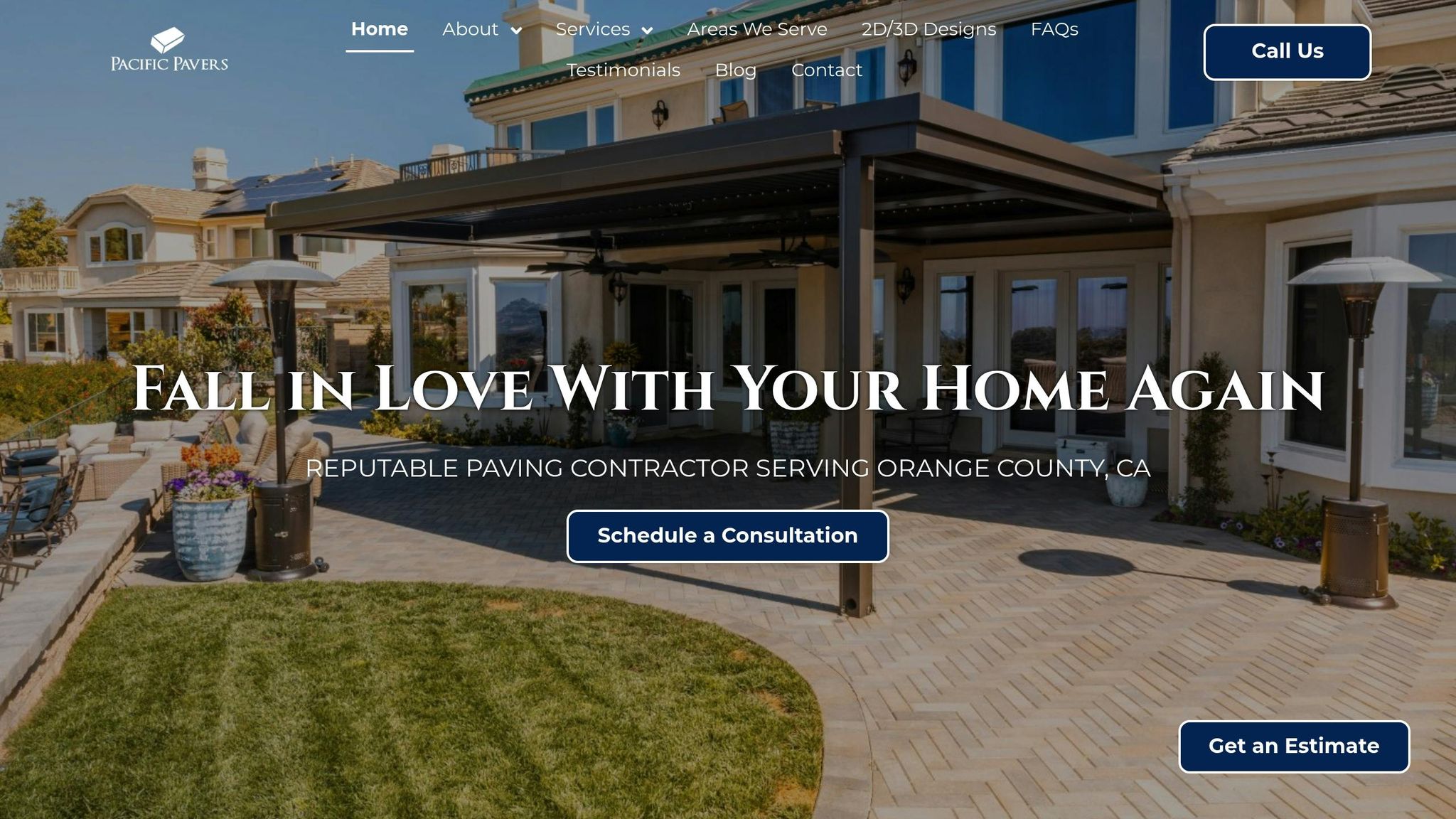
Pacific Pavers provides a wide range of synthetic grass and hardscape solutions designed specifically for HOA pool areas, all while adhering to HOA regulations and standards. Their expertise lies in addressing the unique challenges faced by HOA communities when upgrading pool areas, ensuring projects meet both aesthetic and compliance requirements.
Our Expertise in HOA Community Projects
Pacific Pavers tailors its services to meet the specific needs of HOA pool areas. In addition to synthetic grass installation, they offer custom paver pool decks, retaining walls, and drainage systems that prioritize safety, durability, and a cohesive look. These solutions are carefully crafted to align with HOA standards.
To simplify the process, Pacific Pavers works directly with HOA boards, reviewing CC&Rs and local regulations to ensure smooth project approvals. This proactive approach helps avoid delays and prevents compliance issues.
“We offer comprehensive HOA renovation services that enhance community aesthetics while adhering to regulations. From entryway updates to pool deck renovations, we provide quality work that residents can take pride in. Our team collaborates with HOA boards to ensure every project meets community standards.”
- Pacific Pavers
Safety is a key focus. Pacific Pavers uses high-quality synthetic grass that is non-toxic, fire-resistant, and equipped with proper drainage. They also incorporate slip-resistant materials and ensure ADA accessibility compliance where required.
For instance, in May 2024, Pacific Pavers showcased their expertise by upgrading paver driveways, leveling pool deck pavers, and installing secure, grounded railings while replacing tiles as needed. This commitment to precision and quality highlights their ability to handle complex projects.
To further simplify the process, Pacific Pavers offers integrated renovation packages that bring together multiple services for a seamless transformation.
Explore Our Full Poolside Renovation Packages
Rather than tackling pool area upgrades piece by piece, Pacific Pavers provides complete renovation packages that combine services like pool remodeling, synthetic grass installation, custom paver decks, and patio covers. This all-in-one approach ensures a cohesive design that enhances both functionality and visual appeal.
By bundling services, Pacific Pavers streamlines project management for HOAs, reducing the need for multiple contractors. This method not only saves time but also ensures a unified look across the entire space.
In August 2023, Pacific Pavers completed a large-scale outdoor project for Marcela A., which included irrigation and planting. The project was finished ahead of schedule and stayed within budget, showcasing their efficiency and ability to manage complex, multi-faceted projects.
“Pacific Pavers is more than just a paving expert; we offer a variety of masonry services. These include concrete design and installation, veneer stone application, and retaining wall construction. We also create outdoor kitchens, fire pits, fireplaces, and even provide synthetic grass installations.”
- Pacific Pavers
Their renovation packages often include outdoor living features such as fire pits, outdoor kitchens, and covered seating areas, transforming pool areas into complete recreational hubs. This comprehensive approach not only elevates the space but also provides better value compared to hiring multiple contractors for individual projects.
Why Choose Pacific Pavers
Pacific Pavers stands out as a trusted partner for HOA pool area upgrades. With a 4.9-star rating from 127 reviews on Google and Yelp, they are consistently praised for their professionalism, attention to detail, and high-quality work.
Their deep understanding of HOA processes ensures smooth approvals and strict adherence to community standards. They prepare detailed proposals with product specifications, drainage plans, and safety features to streamline the approval process and minimize delays.
“Exceeded our expectations, Sam was very professional, and the crew was amazing! Very pleased with the overall job”, shared Alex M. in a recent review.
Pacific Pavers is committed to using premium materials and employing skilled installers who follow industry best practices. This dedication ensures long-lasting results, even in high-traffic pool areas, and helps meet the rigorous requirements of HOA communities.
To further support HOAs, Pacific Pavers provides tailored maintenance guidelines for synthetic grass and hardscape features. They also remain available for repairs and upgrades, ensuring the pool area continues to meet community standards over time.
For HOA communities in Orange County, Pacific Pavers offers a single point of contact for managing complex, multi-service projects. Their streamlined approach simplifies coordination and delivers consistent, high-quality results that enhance property values and improve resident satisfaction.
Ready to Upgrade Your HOA Pool Area?
A Quick Look at the Benefits
Synthetic grass brings three standout benefits to HOA pool areas. First, it drastically reduces maintenance by eliminating the need for mowing, watering, and fertilizing, which helps lower water bills and landscaping costs over time. Second, its slip-resistant surface adds an extra layer of safety around wet pool areas by reducing the risk of accidents and preventing mud buildup. Lastly, its long-term durability holds up against heavy foot traffic, pool chemicals, and UV exposure, all while keeping a lush, green appearance year-round.
These advantages make synthetic grass an ideal solution for the unique challenges HOA communities face in managing pool areas. By cutting maintenance costs and improving safety, it offers both practical and aesthetic benefits. However, proper installation is key to ensuring these benefits last.
Why a Professional Installation Matters
Hiring professionals for installation is essential to achieve quality results and long-term performance in HOA pool areas. Experts address critical aspects like proper drainage, sub-base preparation, and adherence to HOA specifications – areas where DIY efforts often fall short. Without professional expertise, synthetic grass installations may suffer from issues like poor drainage, uneven surfaces, or noncompliance with HOA standards, potentially leading to expensive repairs.
Experienced contractors also navigate local regulations and HOA compliance requirements, simplifying the approval process and avoiding unnecessary delays. They ensure that installations meet community design and safety standards, including the use of non-toxic and fire-resistant materials. This level of expertise is especially valuable as many HOAs have yet to establish clear standards for synthetic grass installation, allowing skilled contractors to set the bar for quality and compliance.
By relying on professionals, HOA communities can maximize the lifespan, appearance, and functionality of their synthetic grass installations while ensuring they meet all necessary standards.
Get Started with Pacific Pavers
Considering the benefits and the importance of professional installation, partnering with an experienced company like Pacific Pavers is the logical choice. HOA communities in Orange County looking to upgrade their pool areas can turn to Pacific Pavers for comprehensive consultations and renovation services. With a stellar 4.9-star rating from 127 reviews on Google and Yelp, Pacific Pavers has a proven track record of delivering exceptional results for HOA projects.
Their consultation process includes site evaluations, design discussions, compliance guidance, and detailed proposals tailored to HOA requirements. With extensive experience in HOA renovations, Pacific Pavers ensures smooth approval processes and adherence to community standards. Their services go beyond synthetic grass installations, offering options like pool remodeling, custom paver decks, and patio covers for complete pool area transformations.
HOA boards can count on Pacific Pavers for expert management, premium materials, and top-notch installation. Their commitment to quality and compliance makes them an ideal partner for communities seeking durable, attractive, and functional upgrades to their pool areas. Reach out to Pacific Pavers today to take the first step toward enhancing your HOA pool area.
FAQs
What HOA rules should you consider when installing synthetic grass near pool areas?
When it comes to installing synthetic grass around your pool, the rules set by your HOA can differ based on your community’s specific guidelines. Typically, these rules focus on a few key areas: ensuring the materials meet safety standards, making sure drainage systems are effective to avoid water pooling, and following any aesthetic guidelines the HOA has in place.
To make the process smoother, consider hiring professionals who specialize in HOA-compliant renovations. They can help ensure your synthetic grass installation not only meets all the required standards but also improves the overall appearance and usability of your pool area.
How can synthetic grass help HOAs save water and reduce maintenance costs around pools?
Synthetic grass is a great option for HOA pool areas because it uses far less water than natural grass, which can help reduce utility bills. Since it doesn’t need irrigation, mowing, or fertilizing, it also saves time and money on maintenance.
Another big plus? Synthetic grass is built to handle heavy foot traffic, making it a durable choice for busy poolside spaces. Its combination of minimal upkeep and water-saving advantages makes it a practical choice for HOAs aiming to upgrade outdoor areas while keeping both the environment and budget in mind.
What are the risks of installing synthetic grass yourself, and why should you hire a professional?
DIY synthetic grass installation might look like a way to save money upfront, but it can lead to some serious headaches down the line. Without the right skills or tools, you risk ending up with uneven surfaces, drainage problems, or even premature wear and tear. These issues not only ruin the look and functionality of your lawn but can also rack up repair costs later. Plus, getting that smooth, professional finish requires equipment and know-how that most homeowners simply don’t have.
Bringing in a professional can save you the trouble – and the potential extra expenses. Experts handle everything from preparing the site and leveling the ground to cutting the grass precisely for a perfect fit. They’re also familiar with HOA rules, especially for tricky spots like pool areas, ensuring everything is compliant. The result? A polished, durable lawn that looks great and lasts for years.
Related Blog Posts
- HOA Landscape Rules: What Homeowners Can Change
- Ultimate Guide to Blending Synthetic Turf with Natural Landscaping
- How Permeable Pavers Work for Pool Decks
- Ultimate Guide to Synthetic Turf Care
Key Takeaways
- Invest in long-term savings: Synthetic grass significantly reduces water and maintenance expenses, freeing up HOA funds for other community improvements over its 15 to 20-year lifespan.
- Create a safer and more attractive pool area: Artificial turf offers a slip-resistant, mud-free surface that stays green all year, enhancing both the safety and the visual appeal of your community’s poolside.
- Ensure a successful project with professional installation: Hiring an expert is crucial for meeting HOA standards, guaranteeing proper drainage, and avoiding common installation mistakes that can lead to costly repairs and compliance issues.

Jeff Tobin is the founder of Pacific Pavers, an award-winning outdoor living company serving Orange County, California. With a 30-person team of ICPI-certified professionals, Jeff specializes in transforming residential and HOA properties through custom paver installations, pool remodeling, and complete outdoor living spaces. His company philosophy—”Flawless craftsmanship. Clear communication. Zero stress.”—reflects his commitment to delivering premium results and exceptional customer experiences. As a BBB-accredited business and Belgard Master Craftsman, Pacific Pavers has become known for process-driven operations and elite craftsmanship in the hardscape industry.