
Your outdoor space should be an extension of your home, ready to use whenever you are. Struxure pergolas make that possible. These aren’t just patio covers; they’re smart, motorized systems with adjustable louvers and weather sensors controlled by an app. Perfect for Orange County’s climate, they offer shade on hot days and protection from rain. While the initial cost is higher, they require less maintenance and can increase property value. From backyards to businesses, the Struxure pergolas installation process is surprisingly straightforward.
Key Features:
- Material: Rust-resistant aluminum with low maintenance.
- Control: Motorized louvers with app and smart home integration.
- Weather Sensors: Automatically adjust for rain, wind, and sunlight.
- Customization: Sizes, colors, LED lighting, and additional features available.
- Cost: $15,000–$25,000 for a 10×12 structure, including installation.
Installation Process:
- Preparation: Site assessment, clearing, and marking for post placement.
- Foundation: Posts anchored with concrete footings for stability.
- Assembly: Aluminum frame and motorized components installed with precision.
- Integration: Smart controls, sensors, and lighting configured.
- Inspection: Final checks ensure structural and operational quality.
Permitting and HOA compliance are essential, with fees typically ranging from $200–$1,000. Maintenance involves regular cleaning and inspections, with professional services available for upkeep. Over time, these pergolas deliver durability, functionality, and aesthetic appeal, making them a worthwhile investment for outdoor living spaces.
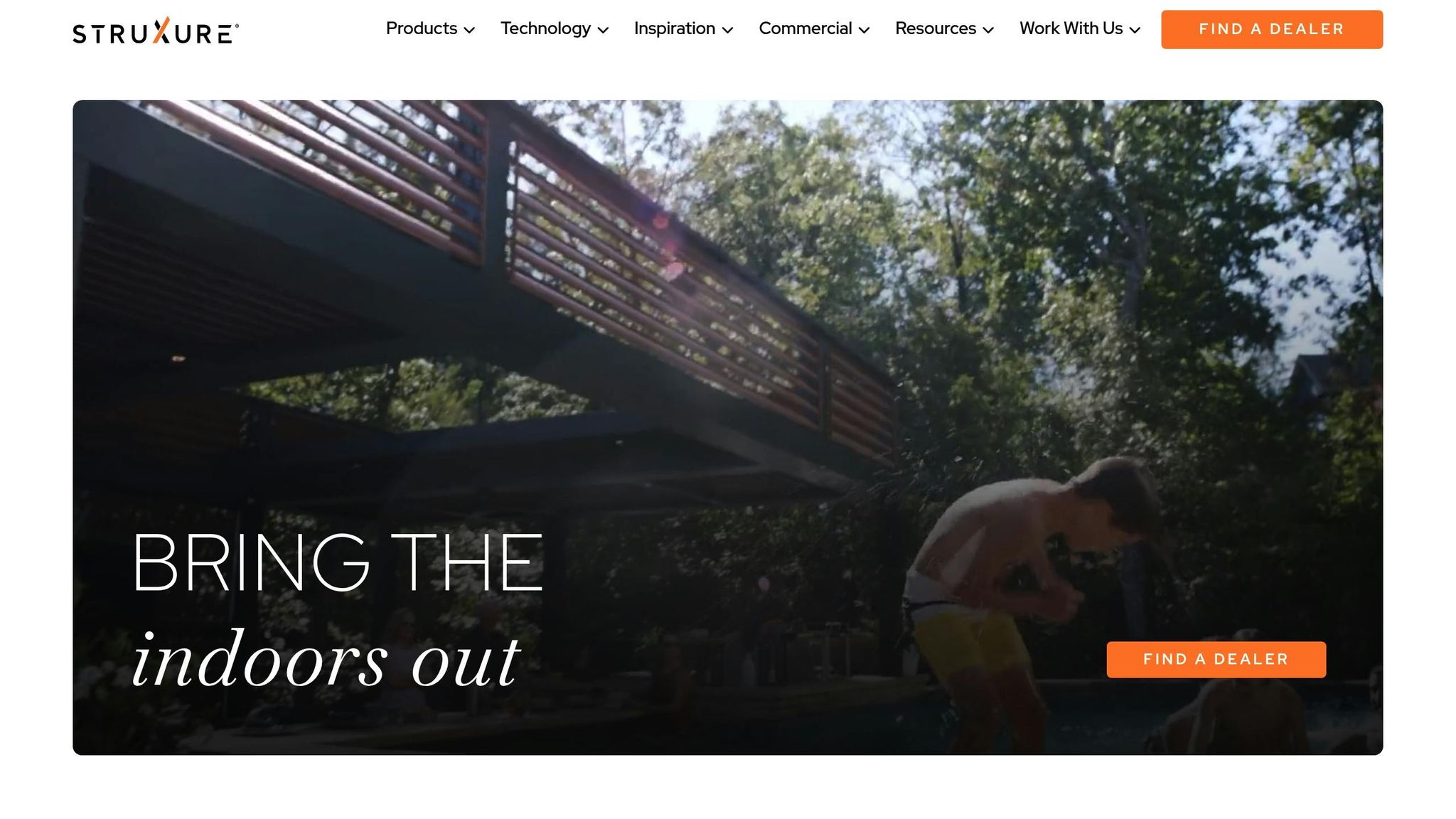
Your Guide to Installing a Struxure Louvered PergolaStruxure Louvered Pergola || Dr Decks
Where to Start? Planning Your Pergola Design
Careful planning transforms a Struxure pergola into a seamless extension of your outdoor space. Before starting construction, Orange County homeowners should evaluate their area, understand local regulations, and address key considerations to ensure a smooth installation process.
Assess Your Space for a Perfect Fit
Every successful Struxure pergola installation begins with a thorough site evaluation. This step ensures the area is level, clear, and stable. Beyond just measuring square footage, it’s important to observe how sunlight moves across the space throughout the day. For example, positioning the pergola to block harsh afternoon sun while allowing in gentle morning light makes the most of Orange County’s sunny climate. The adjustable louvers in Struxure systems add flexibility, letting you fine-tune light and airflow to suit your needs.
Wind direction is another critical factor. With Southern California’s Santa Ana winds, proper anchoring is essential for stability. Posts should be anchored at least 30 inches deep, reinforced with concrete footers, and include 6–8 inches of gravel for drainage.
Design integration is equally important. Struxure pergolas often complement existing features like paver patios, pool decks, or outdoor kitchens. For instance, installing a motorized pergola over a custom paver patio can enhance both the functionality and aesthetic appeal of your outdoor living space.
Key Design Tips for Comfort and Shade
Once you’ve assessed your space, the fun part begins: designing for maximum comfort. A well-designed pergola isn’t just about structure; it’s about creating a true outdoor retreat that feels like a natural extension of your home. Keeping a few key principles in mind will ensure your new space is both beautiful and functional for years to come. Here are some essential tips to help you create the perfect shaded oasis.
First, think about height and orientation. Your pergola should feel open and airy, so a minimum height of seven feet is recommended to prevent the space from feeling cramped. This also leaves plenty of room for additions like a ceiling fan. For the best shade, orient the roof louvers to run north and south. This simple but strategic placement helps block the intense afternoon sun while still letting in that beautiful morning light we love here in Orange County.
Next, consider how the pergola will integrate with your other outdoor features. The goal is to create a cohesive and inviting environment. You can personalize the space by arranging comfortable seating around a custom firepit or positioning the pergola to provide cover for your outdoor kitchen. Adding elements like string lights, outdoor rugs, and climbing plants can soften the structure and make it feel like a true outdoor room. Visualizing how all these pieces fit together can be challenging, which is where our 2D and 3D design services can help bring your complete vision to life before construction begins.
Making It Yours: Customizing Your Struxure Pergola
Struxure pergolas offer a wide range of customization options to suit various needs and styles. Built with powder-coated aluminum, these pergolas are rust-resistant – an essential feature for coastal areas – and come in several color options to match or contrast with your home’s exterior.
The customization possibilities go far beyond size adjustments, allowing you to create a pergola that fits your lifestyle. Motorized louvers eliminate the need for manual adjustments, offering effortless control over light and airflow. Integrated LED lighting extends usability into the evening, while weather sensors automatically close louvers during rain or high winds, protecting your space and furniture. Smart home integration adds convenience, enabling control through smartphone apps or voice commands.
For smaller spaces, the Struxure Cabana X model provides a permit-free option, ideal for areas with strict permitting rules. Larger configurations can transform expansive backyards into impressive entertainment areas.
Here’s a quick look at some customization options:
| Customization Feature | Standard Option | Premium Upgrade |
|---|---|---|
| Louver Control | Manual adjustment | Motorized with app control |
| Lighting | None | Integrated LED strips |
| Weather Protection | Basic louvers | Automated sensors and gutters |
| Size Range | 8×10 to 12×16 feet | Custom dimensions up to 20×30 feet |
| Color Options | 5 standard colors | 15+ premium finishes |
Choosing Your StruXure Model
Struxure pergolas are designed to fit your specific needs, so you can select a model that perfectly complements your home and lifestyle. The structures are built with powder-coated aluminum, which is a huge plus for us here in Orange County since it’s naturally rust-resistant and stands up to the coastal air. You can choose from several standard colors to match your home’s exterior trim or go for a contrasting shade to make a statement. At Pacific Pavers, we often use our 2D and 3D design services to help clients visualize how different colors and sizes will look with their existing patio or pool deck, ensuring the final result is exactly what they envisioned.
Adding Premium Features
The real fun begins when you start adding features that make your pergola work for you. Motorized louvers are a game-changer, giving you control over sun and shade with the touch of a button—no manual cranking required. You can also integrate LED lighting to create the perfect ambiance for evening gatherings around your firepit. For ultimate convenience, weather sensors can automatically close the louvers when it starts to rain or gets too windy, protecting your outdoor furniture. Many homeowners also opt for smart home integration, which lets you control the entire system from a smartphone app or with voice commands, making your outdoor space as smart as it is beautiful.
Getting the Green Light: Permits and HOA Rules in Orange County
Navigating Orange County’s permitting and HOA requirements is a crucial part of the planning process. Most permanent outdoor structures, including pergolas, require building permits. Permit fees typically range from $200 to over $1,000, depending on the scope and location of the project.
Building departments often require detailed plans that include dimensions, materials, and anchoring methods. For larger installations or areas with specific soil conditions, engineering calculations for wind loads may also be necessary. Local codes may dictate foundation depth, setback rules, and height restrictions, all of which can influence your design choices.
If you live in an HOA community, additional pre-approval will likely be required. Many HOAs enforce strict guidelines on colors, materials, heights, and placement relative to property lines. Working with experienced contractors familiar with these regulations can streamline the process. For example, Pacific Pavers collaborates with HOA boards to ensure projects meet community standards, helping homeowners navigate these requirements efficiently.
The permitting process can add two to four weeks to your timeline, so submitting plans early is essential. In some cases, electrical permits may also be required for motorized components, adding another layer of complexity.
Common challenges during the planning phase include uneven terrain, limited space, underground utilities, and restrictive HOA rules. Solutions might involve using adjustable post bases for sloped areas, custom-sizing pergolas for tight spaces, and conducting utility locates before excavation. Professional installers can address these challenges while maintaining both regulatory compliance and design integrity.
The Struxure Pergolas Installation Process: What to Expect
Once the planning and design phase is complete, the focus shifts to bringing the vision to life. The installation process transforms detailed plans into a fully functional outdoor space. Each step demands precision to ensure the motorized pergola operates seamlessly.
Getting Your Property Ready for Installation
The process kicks off with site preparation and organizing equipment. Contractors ensure all necessary permits are secured and perform a final utility check using specialized tools to avoid damaging underground gas, water, or electrical lines.
The site is cleared of furniture, plants, and debris, and the ground is marked to indicate where posts will be installed – typically spaced 10 to 16 feet apart, depending on the pergola’s design. In areas like Orange County, contractors often rely on a string line system to maintain precise alignment throughout the structure.
Essential materials and tools, such as concrete mix, gravel, galvanized fasteners, and electrical components, are prepared on-site. Dry, mild weather is ideal for concrete work, making morning installations a preferred choice.
“Quality is at the forefront of everything we do at Pacific Pavers. Our commitment begins with using premium materials and employing highly skilled installers who are experts in their craft. We follow industry best practices and adhere to rigorous standards to ensure each project is completed with precision. Additionally, our team conducts thorough inspections during and after installation to guarantee lasting quality and satisfaction.”
Once the site and tools are ready, the focus shifts to building a stable foundation.
From Deposit to Delivery
Once you’ve finalized your design and are excited about the plan, the next step is to place a deposit. This officially kicks off the process, allowing your contractor to order the custom materials needed for your Struxure pergola. Because each system is tailored to your specific space and preferences, the components are fabricated just for you, which means there’s a bit of a waiting period. The lead time can vary, but your installer will keep you updated. When the materials are ready, they’ll be delivered directly to your home and stored in a convenient, out-of-the-way spot like your garage or driveway until the installation crew is ready to begin building.
Best Time of Year for Installation
One of the perks of living in Orange County is our fantastic weather, which makes it possible to install a pergola almost any time of year. However, if you’re looking for the ideal window, early spring and late fall are often perfect. The milder temperatures during these seasons are more comfortable for the installation team and can be better for tasks like pouring concrete footings. That said, summer installations are just as common. A professional team will simply plan the work to avoid the peak afternoon heat. Ultimately, the best time for your project is whenever you’re ready to transform your outdoor space. Our team is equipped to handle year-round installations, ensuring a smooth process no matter the season.
How We Set a Strong Foundation for Your Pergola
A strong foundation is key to the durability and safety of a Struxure pergola. Post holes are typically dug to a minimum depth of 30 inches, though deeper excavations may be required based on soil conditions and local regulations.
For freestanding pergolas, concrete footings are the most common choice. Each post hole is first filled with 4 to 6 inches of gravel to allow for drainage. Aluminum posts are then placed and secured with concrete, which is left to cure for about 24 hours before the frame assembly begins. This curing process ensures the foundation can support the motorized components effectively.
For installations on uneven terrain or hillside properties, adjustable galvanized steel post bases are often used. These bases are anchored into concrete footers, allowing for precise alignment. On existing concrete patios or pool decks, surface mounting is achieved with heavy-duty anchor bolts and hardware, such as Simpson deck post fasteners, to evenly distribute weight. Additional drainage measures, like French drains or gravel backfill, help protect the structure from water damage.
Checking for Underground Utilities
Before any digging begins, the first and most critical safety step is identifying and marking underground utilities. Hitting a buried gas, water, or electrical line isn’t just dangerous—it can also lead to expensive repairs and significant project delays. To prevent this, a professional installer will always contact 811, the national “Call Before You Dig” service. This free service alerts local utility companies to visit your property and mark the approximate location of their buried lines. This simple but essential step ensures we can excavate for your pergola’s footings safely, protecting your property and our crew from start to finish.
Digging Footings Below the Frost Line
While Orange County doesn’t have the deep frost line found in colder climates, the principle of digging deep for stability is just as important here. We excavate post holes to a minimum depth of 30 inches to anchor the structure firmly in the ground. This depth places the foundation in stable, undisturbed soil, protecting it from shifts caused by moisture changes or natural settlement over time. By setting the foundation well below the surface, we ensure your Struxure pergola remains level and secure for years, providing a solid base that can withstand daily use and seasonal weather without compromise.
Why Concrete Footings Are Essential for Wind Resistance
Concrete footings are the unsung heroes of your pergola’s stability, especially when facing Southern California’s Santa Ana winds. Although Struxure pergolas are built from lightweight aluminum, their large louvered roofs can act like a sail in high winds. The primary purpose of concrete footings is to add significant weight at the base of the structure, anchoring it securely to the ground. This prevents the pergola from lifting, shifting, or vibrating during strong gusts. It’s a non-negotiable safety measure that ensures your investment is not only beautiful but also structurally sound and resilient against the elements.
Assembling and Integrating the Motorized Louvers
Once the foundation is secure, assembly begins. Aluminum beams and crossbeams are carefully positioned and temporarily braced to ensure proper alignment. Pre-drilled holes and HeadLOK screws secure the connections, making the structure sturdy enough to handle motorized operations.
Louver panel installation demands exact alignment for smooth movement. Panels are positioned and supported temporarily while drive mechanisms are connected and electrical conduits are routed through designated channels in the aluminum framework.
The motorized system is then integrated. This involves connecting the drive motors to the louvers and running low-voltage wiring through the pergola’s built-in cable management system. Licensed electricians handle the main power supply, control units, and optional features like integrated LED lighting. Weather sensors are strategically installed to provide accurate environmental readings while remaining protected.
Smart home integration is finalized during this phase. Control units are programmed to match user preferences, and smartphone apps are set up for remote operation. Advanced systems may include wind sensors that automatically close the louvers during high winds, safeguarding the structure and outdoor furniture.
The final steps include thorough quality checks. Fastener torque, electrical connections, and motorized operations are all verified. Load testing ensures the structure’s integrity, and all automated features – like remote controls, smart home connectivity, and sensors – are tested multiple times. A final inspection confirms that posts are plumb, beams are level, and all systems function as intended. Before the project is considered complete, the installation must pass local building inspections.
sbb-itb-11ea599
How Pergolas Attach to Your Home
If you’re choosing a pergola that attaches to your home, the connection needs to be secure and weatherproof. This isn’t as simple as just bolting it to the wall. The process involves carefully securing the pergola’s ledger board directly to your house’s frame. To do this properly, installers often need to remove a section of the siding to access the structural components. Once the pergola is anchored, the most critical step is waterproofing. Every hole and connection point must be meticulously sealed to prevent water from seeping into your walls, which could cause significant damage over time. This is why professional installation is so important—it ensures your home’s integrity remains intact while you gain a beautiful new outdoor feature.
Installation Timeline
You might be surprised by how quickly a Struxure pergola comes together. While the entire project takes a few days to complete, the main assembly of the frame and louvers can often be finished in just four to six hours. The overall timeline accounts for essential steps that can’t be rushed. This includes allowing concrete footings to fully cure, which provides the stable base your pergola needs. It also includes the time required for a licensed electrician to safely connect all the motorized components and smart features. From site prep to the final quality check, a typical installation is a multi-day process designed to ensure your pergola is beautiful, functional, and built to last for years.
Final Walkthrough and Hand-off
Once the installation is complete, the final step is the official hand-off. This is more than just a handshake; it’s a personalized tutorial for your new outdoor living space. Your installer will walk you through every feature, showing you exactly how to operate the motorized louvers with the remote or smartphone app. They’ll also explain how the weather sensors work and how to perform simple maintenance to keep everything running smoothly. This final walkthrough ensures you feel completely comfortable and confident using your new pergola from day one. It’s the perfect opportunity to ask any questions and see firsthand how your new outdoor living space is ready for you to enjoy.
How Much Does a Struxure Pergola Cost?
Installing a Struxure pergola involves several cost components, including materials, labor, permitting, and inspection fees. These factors collectively determine the final price, which reflects both the quality of the materials and the complexity of the installation process.
Breaking Down Material and Labor Costs
Material costs are a significant part of any Struxure pergola project. The powder-coated aluminum frame and motorized louver systems typically cost $100–$140 per square foot. This price accounts for durable, corrosion-resistant aluminum, precision-engineered motorized components, and weather-resistant finishes – features particularly suited for Southern California’s climate.
Customizations can increase material expenses. Adding features like LED lighting, ceiling fans, or outdoor heaters can range from $500–$5,000, depending on the scope and number of options chosen. For those who want smart home integration or weather sensors, costs will lean toward the higher end of this scale.
Labor costs for professional installation are generally $50–$60 per square foot, amounting to $3,000–$8,000 for an average residential project in Orange County. Factors such as site accessibility, terrain, and the integration of motorized components influence these costs. Installers must have specialized expertise to ensure proper alignment of motorized louvers and electrical connections.
For example, a recent project in Anaheim – a 12′ x 16′ motorized pergola with integrated lighting and smart controls – cost around $32,000. This included materials, labor, permits, and accessories. The project required HOA approval and city permits, with a timeline of 6 to 8 weeks from planning to final inspection.
StruXure vs. Other Brands: A Cost Comparison
When you’re looking at patio covers, it helps to understand where StruXure fits in. Think of it as the luxury option in the world of pergolas. These systems are a premium investment because they are built with high-grade, powder-coated aluminum and feature sophisticated motorized louver technology. Unlike a standard wood or vinyl pergola that offers fixed shade, a StruXure system gives you complete control over sun and weather protection with the touch of a button. While traditional pergolas might have a lower initial price tag, they often require regular maintenance like staining or painting and don’t offer the same level of functionality. The higher upfront cost of a StruXure pergola reflects its durability, low maintenance, and advanced features, which provide lasting value for your home.
Estimating Your Project: Sample Costs by Size
To get a clearer picture of your investment, it helps to look at some numbers. On average, a StruXure pergola costs between $150 to $200 per square foot, including professional installation. For a standard 10′ x 12′ pergola, you might expect a cost of around $18,000 to $24,000. If you’re planning a larger outdoor living area, a 12′ x 20′ structure could range from $36,000 to $48,000. Keep in mind that these are baseline estimates. The final price will depend on your specific customizations, such as integrated LED lighting, ceiling fans, or automated weather sensors. At Pacific Pavers, we provide detailed 2D/3D designs to help you visualize the final product and understand exactly how these features will impact your budget.
The Value of a Pergola: ROI and Property Value
One of the biggest questions homeowners have is whether a pergola adds real value to their property. The answer is a resounding yes, but with a condition: quality matters. A high-quality, permanent structure like a StruXure pergola is seen as a valuable home improvement, not just outdoor furniture. Studies show that well-designed outdoor living spaces can increase a home’s perceived value by 15% to 20%. In a market like Orange County where outdoor living is a huge part of the lifestyle, a functional and stylish paver patio with a motorized pergola becomes a major selling point. It extends your home’s usable square footage, creating a comfortable space for dining, relaxing, or entertaining year-round, which is an investment in both your property and your quality of life.
Understanding Permit and Inspection Fees
Local regulations add another layer of cost. Permitting fees for Struxure pergolas in Anaheim and nearby Orange County cities range from $200–$800, depending on the project’s size and complexity. Electrical permits are nearly always necessary due to the motorized components and integrated lighting. Some areas may also require engineered drawings, which can increase permit expenses.
HOA review fees, typically $100–$500, can extend the project timeline by several weeks. Additionally, inspection fees – sometimes included in the permit cost – cover multiple inspections, such as foundation, electrical rough-in, and final approval. Experienced contractors like Pacific Pavers help streamline this process, minimizing delays or unexpected costs.
Struxure Pergola vs. Traditional Patio Cover: Which Is Right for You?
When comparing Struxure pergolas to traditional patio covers, the higher upfront cost of a Struxure system is offset by enhanced features and durability. Here’s a breakdown of key differences:
| Feature | Struxure Pergola | Traditional Patio Cover |
|---|---|---|
| Material | Powder-coated aluminum, motorized louvers | Wood, aluminum, or vinyl |
| Adjustability | Motorized, app-controlled louvers | Fixed, non-adjustable |
| Smart Integration | Yes (remote, sensors, automation) | Rare or none |
| Maintenance | Low (occasional cleaning) | Moderate (painting, repairs) |
| Lifespan | 20–30 years | 10–20 years |
| Cost (Installed) | $150–$200/sq ft | $40–$70/sq ft |
| Permitting | Required (structural/electrical) | Usually required |
Traditional patio covers are more affordable upfront, costing $40–$70 per square foot installed. However, they lack the flexibility and durability of Struxure systems. Fixed structures can’t adapt to changing weather, and materials like wood require regular upkeep, such as painting and sealing.
Struxure pergolas also have lower ongoing maintenance costs, typically $100–$300 annually for cleaning and occasional lubrication of motorized parts. In contrast, traditional covers, especially wood, often need more frequent maintenance, which can cost several hundred dollars annually.
Long-term value is another advantage of Struxure pergolas. Their smart features, extended lifespan, and ability to enhance outdoor living spaces often boost property values. The adjustable louvers allow for better sun and ventilation control, making outdoor areas more functional year-round. While traditional covers are a budget-friendly option for those focused on immediate savings, Struxure systems deliver greater benefits over time, justifying their higher initial cost through enhanced usability and reduced maintenance.
Warranty and What to Consider
A Struxure pergola is a significant addition to your home, so it’s important to understand the warranty and be aware of potential drawbacks. While these systems offer incredible value and functionality, going into the process with a clear picture of all the details ensures you’ll be happy with your investment for years to come. This transparency helps you weigh the benefits against the considerations, making sure a Struxure pergola is the right choice for your outdoor living space.
Understanding the StruXure Warranty
When you invest in a premium outdoor structure, you expect a warranty that reflects its quality. Struxure provides comprehensive warranties that cover the structural components and motorized systems, giving you peace of mind. While the specific terms can vary, these warranties generally protect against defects in materials and workmanship. It’s always a good idea to review the full details directly on their official warranty page to get the most current information before making a final decision. Professional installation is also key, as improper assembly can sometimes void a manufacturer’s warranty. Working with an experienced installer ensures every component is set up correctly, protecting both your structure and your coverage.
Potential Drawbacks to Keep in Mind
While Struxure pergolas are a top-tier choice, there are a few things to consider. The most notable factor is the cost, as they are priced higher than many other louvered pergola brands. This reflects their advanced engineering, automation, and durable materials. Some online reviews mention occasional issues with leaks or customer service, which is something to be aware of with any major home improvement project. It’s also worth noting that while customizable, they may offer fewer unique design choices than a completely custom-built wood pergola. Finally, proper sizing is crucial; an oversized unit can make a smaller patio feel crowded. This is where professional 2D/3D design services become invaluable, helping you visualize the pergola in your space to ensure it’s a perfect fit.
Keep Your Pergola Looking New: Maintenance and Care Tips
Once your Struxure pergola is installed, keeping it in great condition requires regular upkeep. Orange County’s coastal climate, with its salty air and strong sunlight, can accelerate wear and tear, so staying on top of maintenance is key to protecting your investment.
Your Simple Guide to Routine Cleaning
Regular cleaning is the backbone of pergola maintenance. Use a mild soap and water mix with a soft-bristled brush or cloth to clean the aluminum frame and louvers without scratching the surface. This simple step helps prevent salt buildup and corrosion, which are common issues in coastal areas like Orange County.
For homes near the coast, monthly cleaning is a must due to the higher levels of salt spray. If salt residue becomes stubborn, a solution of equal parts white vinegar and water works well. After extreme weather, such as Santa Ana winds or heavy rain, rinse the pergola thoroughly and check for debris or salt deposits.
Pay extra attention to motorized components. Keep electrical connections dry and wipe motor housings with a dry cloth – avoid spraying water directly on them. The louvers can be cleaned using the same mild soap solution used for the frame.
Monthly rinses with fresh water are especially helpful for coastal properties, as they wash away salt particles before they can cause oxidation. Along with regular cleaning, seasonal inspections can further protect your pergola.
Your Seasonal Pergola Inspection Checklist
Orange County’s Mediterranean climate, with its hot summers and mild winters, can create temperature shifts that affect your pergola’s components. Seasonal inspections help you spot and address potential issues early.
Spring Inspections:
Check fasteners, seals, and the motorized louver cycle. Clear out drainage channels to get ready for the summer heat.
Summer Maintenance:
Inspect the aluminum frame for discoloration or signs of UV damage. Ensure electrical connections are free of corrosion, as summer humidity can speed up oxidation. Test all moving parts to confirm they’re working smoothly, and ensure the pergola provides effective shade and cooling.
Fall Preparations:
Seasonal winds, like the Santa Ana winds, can stress the structure. Before winter rains, clean gutters and drainage systems thoroughly. Check for loose components after wind exposure, and inspect the foundation and post bases for settling or movement. Keeping a record of these inspections can help you track the pergola’s condition over time.
Winter Checks:
Focus on weatherproofing and structural integrity. Inspect seals for any winter damage and test motorized components to ensure they’re functioning properly in cooler temperatures. Look for water pooling or drainage issues and verify that the structure hasn’t shifted due to ground movement.
These regular inspections, paired with professional maintenance, ensure your pergola stays in top shape.
When Should You Call a Pro for Maintenance?
Even after expert installation, professional maintenance is essential to keep your Struxure pergola looking and working its best. Companies like Pacific Pavers offer specialized services in Orange County, tailored to the challenges of Southern California’s coastal environment. These services include annual inspections, motorized component servicing, weatherproofing seal replacements, and emergency repairs.
Annual inspections, which typically cost between $200 and $400, can catch problems early – issues that might go unnoticed by homeowners. During these inspections, technicians check electrical connections, test motor performance, examine structural integrity, and ensure all safety systems are functioning properly.
Applying protective coatings every 2–3 years adds an extra layer of defense against salt air and UV exposure. Marine-grade coatings help shield aluminum components, significantly extending the pergola’s lifespan by creating a strong barrier against environmental damage.
Emergency repair services are also available for issues like:
- Louvers operating slowly or making grinding noises
- Visible corrosion on aluminum parts
- Water pooling around the pergola base
- Loose fasteners that won’t tighten
- Electrical components not responding properly
Transform Your Outdoor Living with a Struxure Pergola
Adding a Struxure pergola transforms your outdoor area into a functional, year-round retreat that blends modern technology with sophisticated design. Its motorized system adapts to any weather, making it the perfect setting for hosting dinner parties on Orange County’s warm evenings or savoring your morning coffee under beautifully filtered sunlight.
The pergola’s sleek aluminum construction, paired with customizable finishes and built-in lighting, enhances your home’s curb appeal. Designed to complement both modern and traditional aesthetics, these structures create a seamless connection between your outdoor and indoor spaces. The clean lines and polished look turn your patio or deck into an inviting extension of your home.
From a financial perspective, Struxure pergolas offer more than just aesthetic value. Upgraded outdoor spaces in Orange County can boost property values by 5-10%, as buyers increasingly prioritize smart outdoor features. Built with durable, powder-coated aluminum, these pergolas maintain their value over time with minimal upkeep, unlike traditional wood structures.
Pacific Pavers ensures a smooth installation process, handling every detail from start to finish. With a 4.9/5 customer rating, they expertly integrate hardscape designs and navigate local HOA guidelines and permitting, so you can focus on enjoying your new space.
What truly sets Struxure pergolas apart are their smart features, including app-controlled louvers, rain sensors, and programmable lighting. These innovations not only enhance your comfort but also help regulate temperature and airflow naturally, reducing energy costs while elevating your outdoor experience.
Beyond the pergola itself, its weather-resistant design protects against coastal conditions, safeguarding both the structure and surrounding hardscape elements. Together, these features create an outdoor oasis that combines beauty, durability, and practicality. It’s a lasting investment in comfort and style, ensuring your outdoor space remains a cherished retreat for years to come.
FAQs
Struxure Pergola vs. Patio Cover: Which Should You Choose?
Struxure pergolas bring a sleek, modern touch to outdoor spaces, offering much more than the typical patio cover. What sets them apart is their motorized louvers, which you can adjust to control sunlight, airflow, and even keep rain at bay – all with minimal effort. Built from tough, weather-resistant materials, these pergolas are designed to handle the elements while keeping their clean, polished look intact.
What’s more, Struxure pergolas can be customized to match your personal style and practical needs. From integrated lighting and smart controls to heating options, they transform your outdoor area into a comfortable, functional space that’s as stylish as it is convenient.
What Are the Benefits of Smart Pergola Features?
Weather sensors combined with smart home technology bring a new level of convenience to a Struxure pergola, making it both functional and easy to use. Imagine the louvers automatically closing at the first sign of rain or tilting to let in extra sunlight on cooler days – it’s like having a pergola that thinks ahead for you.
Beyond comfort, these automated features can contribute to energy savings by responding to the weather in real time. And with smart home integration, you can control your pergola from anywhere or set personalized schedules, creating a seamless and modern outdoor living space tailored to your lifestyle.
Planning a Pergola in Orange County? Here’s What to Know
When planning a Struxure pergola installation in Orange County, there are a few things to keep in mind to make the process smooth and stress-free. First, take a good look at your outdoor area to figure out the best size, style, and features that will work for your space and lifestyle. Don’t forget to check HOA regulations to make sure your plans align with any local rules.
Think about how you’ll use your pergola – do you want motorized louvered panels for flexibility, built-in lighting for evening gatherings, or other smart features to elevate your outdoor living? These details can make all the difference.
Partnering with experienced professionals is key. They’ll handle everything from design to installation, ensuring your pergola not only fits your space but also complies with local requirements.
Related Blog Posts
- How to Zone Outdoor Spaces for Functionality
- Ultimate Guide to Blending Synthetic Turf with Natural Landscaping
- Struxure Pergola ROI: Is It Worth the Cost?
- Retractable Awnings vs. Fixed Covers: Pros and Cons
Key Takeaways
- Plan Your Project from the Ground Up: A great pergola starts with a solid plan. This means assessing your space for sun and wind, working through local permits and HOA guidelines, and choosing the custom features that will make the space uniquely yours.
- Factor in the Full Cost and Installation: A Struxure pergola is a premium investment, so it’s important to budget for materials, professional labor, and permit fees. The installation is a multi-day process focused on creating a secure foundation and precisely assembling the motorized system for flawless operation.
- Protect Your Investment with Simple Care: These pergolas are built to last with low-maintenance aluminum, but a little care goes a long way. Regular cleaning and seasonal checks will keep the structure looking new and functioning perfectly, ensuring it remains a valuable part of your home.

Jeff Tobin is the founder of Pacific Pavers, an award-winning outdoor living company serving Orange County, California. With a 30-person team of ICPI-certified professionals, Jeff specializes in transforming residential and HOA properties through custom paver installations, pool remodeling, and complete outdoor living spaces. His company philosophy—”Flawless craftsmanship. Clear communication. Zero stress.”—reflects his commitment to delivering premium results and exceptional customer experiences. As a BBB-accredited business and Belgard Master Craftsman, Pacific Pavers has become known for process-driven operations and elite craftsmanship in the hardscape industry.