
Ever seen synthetic grass that looks… well, fake? Flat, matted, and just not right? The secret to a lush, realistic lawn isn’t just the turf itself. It’s the infill. So, what is infill for turf, exactly? It’s the granular material spread between the grass blades that provides stability, cushioning, and durability. Choosing the right type—and knowing how to spread infill on turf correctly—is the key to a lawn that looks and feels amazing for years. This guide will walk you through everything you need to know about this crucial component.
- What It Is: Granular material spread between turf fibers, like silica sand, rubber crumb, or zeolite.
- Why It Matters: Extends turf life, prevents flattening, improves drainage, and adds comfort.
- Popular Choices: Silica sand (affordable), zeolite (odor control), or acrylic-coated sand (durability).
- Application Basics: Use a drop spreader, apply in layers, and brush thoroughly.
- Maintenance: Regular brushing and occasional top-ups keep turf looking and performing its best.
For best results, prepare the turf, calculate infill needs, and apply it evenly. Professional installation ensures precision and long-term quality, especially for high-use areas like sports fields or playgrounds.
How to Properly Install Infill for Artificial Grass
What Is Infill for Turf, Anyway?
Choosing the right infill can make a big difference in how your synthetic turf performs. Here’s a closer look at some of the most common options and their key benefits.
Key Functions of Turf Infill
Turf infill does more than just sit between the blades of grass; it performs several essential jobs that are critical for the look, feel, and lifespan of your lawn. Think of it as the unsung hero of your entire synthetic grass system. Without the right infill, your beautiful green lawn wouldn’t be nearly as resilient, safe, or inviting. It’s the key ingredient that transforms a simple turf roll into a functional and durable surface that can handle everything from backyard parties to kids’ soccer games. Let’s break down the two most important functions it serves to keep your turf in top shape.
Acts as a Ballast for Stability
First and foremost, infill acts as a ballast, which is just a technical way of saying it adds weight to hold the turf in place. This weight is crucial for a few reasons. It helps the individual turf fibers stand upright, giving your lawn that full, lush, and natural appearance we all want. More importantly, it prevents the turf from shifting, wrinkling, or bunching up over time. This stability isn’t just about looks; it’s a major safety feature that prevents tripping hazards, ensuring your outdoor space is secure for family and guests. A properly weighted turf system feels solid and dependable underfoot.
Protects the Turf Backing from Damage
Beyond providing stability, infill also serves as a protective shield for the turf’s backing—the material that holds all the fibers together. This backing is vulnerable to two main sources of wear and tear: foot traffic and sun exposure. The infill creates a barrier that absorbs the impact from people walking, running, and playing on the surface. It also protects the bottom layer from the sun’s harsh UV rays, which can cause the material to become brittle and break down over time. By protecting this foundational layer, infill significantly extends the life of your turf, making it a smart investment for long-term durability.
Your Top Infill Material Choices
- Silica Sand
Silica sand is a go-to choice for residential turf installations. It provides stability and weight to keep turf fibers upright, while also allowing for proper drainage. A 50-pound bag typically covers 25–35 square feet. On the downside, it offers limited odor control and can retain heat during the summer months. - Rubber Crumb
Rubber crumb is often used in athletic fields and playgrounds because it absorbs shock effectively. Made from recycled tires, it cushions impacts and provides consistent performance. However, it tends to retain odors and doesn’t drain as efficiently as sand-based options. - Zeolite
Zeolite is a standout choice for areas with pets. This volcanic mineral naturally absorbs odors, making it ideal for dog runs and pet-friendly lawns. While it’s more expensive than silica sand, its odor-controlling properties are a major advantage. - Acrylic-Coated Sand
Acrylic-coated sand, like Envirofill, is a premium option. It resists compaction, has excellent durability, and often includes antimicrobial properties. Available in various grades (12–20, 16–30, and 30–50), it works well in high-traffic areas and specialized applications. - Specialized Blends
Specialized blends are tailored to specific needs, such as reducing heat or enhancing pet safety. For example, TºCool infill helps lower surface temperatures in hot climates, while pet-specific blends combine odor control with antimicrobial features.
Understanding these materials helps you choose the best infill based on your climate, intended use, and budget.
Organic Infill
If you’re looking for a more natural and sustainable option, organic infill is an excellent choice. Made from materials like cork, coconut fibers, or walnut shells, these infills are completely chemical-free and compostable. One of their biggest advantages, especially here in sunny Orange County, is their ability to keep the turf surface cooler than many synthetic alternatives. As noted by industry experts, organic options offer cooling and eco-friendly alternatives that are perfect for families and pets. While they may require a bit more maintenance over time compared to sand, their environmental benefits and comfortable feel make them a popular pick for residential lawns.
Virgin Polymer Infill (EPDM & TPE)
For areas that demand high performance and durability, such as home sports courts or playgrounds, virgin polymer infills are a top-of-the-line solution. These materials, like EPDM (ethylene propylene diene monomer) and TPE (thermoplastic elastomer), are engineered specifically for resilience and consistency. Unlike recycled rubber, virgin polymers are manufactured new, ensuring they are free from impurities. According to The Motz Group, a leader in turf systems, this type of infill is strong and consistent, providing excellent durability and performance. While they come at a higher price point, their longevity and superior cushioning make them a worthwhile investment for high-traffic applications.
Choosing the Perfect Infill for Your Lawn
If you live in a hot area, cooling infills like TºCool can help keep turf temperatures down. For regions with heavy rain, materials like silica sand or zeolite, which offer excellent drainage, are better suited. Areas with freeze-thaw cycles require infills that resist compaction and maintain consistent performance year-round.
Your turf’s purpose also matters. Pet areas benefit from infills with strong odor control, such as zeolite or pet-specific blends. Athletic fields and playgrounds need materials like rubber crumb or acrylic-coated sand for their shock absorption and durability. For general landscaping, silica sand is a cost-effective and reliable choice.
Budget is another factor. Silica sand is one of the most affordable options, typically applied at a rate of 1.5 to 2 pounds per square foot. Although premium options like Envirofill cost more upfront, they often pay off in the long run with lower maintenance needs and better durability.
Comparing Infill Materials: Pros and Cons
Here’s a quick comparison of how each infill type performs across key factors:
| Infill Type | Durability | Drainage | Odor Control | Recommended Applications |
|---|---|---|---|---|
| Silica Sand | Moderate | Good | Low | Landscaping, putting greens |
| Rubber Crumb | High | Moderate | Low | Sports fields, playgrounds |
| Zeolite | Moderate | Good | High | Pet turf, residential lawns |
| Acrylic-Coated Sand | High | Good | Moderate | High-traffic areas, sports fields |
| Pet/High-Traffic Blends | High | Good | High | Pet areas, commercial installations |
For sports fields, infill amounts range from 2 to 2.5 pounds per square foot, depending on pile height and usage. As mentioned earlier, a 50-pound bag typically covers 25 to 35 square feet.
Different grades of infill serve specific purposes. For general applications, 16–30 grade works well, while 30–50 grade is better for short-pile systems. On putting greens, contractors often use a combination approach: 5–6 pounds per square foot of base sand, plus an extra pound of specialized top-dress infill to enhance ball roll and surface performance.
Rubber crumb handles temperature fluctuations well, acrylic-coated sand maintains its properties longer, and zeolite effectively manages freeze-thaw cycles while controlling odors.
Silica Sand: Compaction and Grade
Silica sand is a classic, budget-friendly choice for most residential turf projects. Its main job is to add weight, which holds the turf securely in place and helps the individual blades stand tall for a lush, natural look. It also provides excellent drainage, a must-have feature for preventing water from pooling on your lawn after a good rain. However, it’s not without its downsides. Silica sand can compact over time, especially in high-traffic areas, and it tends to absorb and retain heat. This can make the turf uncomfortably hot to the touch on those sunny Southern California days. It also offers very little in the way of odor control, making it a less-than-ideal choice for homeowners with pets.
Crumb Rubber: Heat and Safety Concerns
You’ve likely seen crumb rubber on playgrounds or athletic fields. Made from recycled tires, this infill is fantastic at absorbing shock, which is why it’s a top pick for areas where safety and cushioning are the main priorities. It creates a soft, bouncy surface that can help reduce injuries from falls. For a typical backyard, however, it has some significant drawbacks. Like silica sand, it gets very hot in direct sunlight. It also tends to hold onto odors and doesn’t drain as efficiently as sand-based options. While it’s a great performer in sports applications, it’s generally not the first choice for a residential lawn where comfort and aesthetics are key.
Zeolite: How It Neutralizes Pet Odors
For pet owners, zeolite is a total game-changer. This all-natural infill is made from volcanic minerals and has a unique honeycomb-like structure that traps and neutralizes the ammonia found in pet urine, effectively stopping odors before they can even start. When it rains, the water flushes the trapped ammonia from the zeolite, essentially “recharging” the infill so it’s ready to work again. While it is a more premium option with a higher upfront cost, its ability to keep your synthetic grass smelling fresh and clean makes it a worthwhile investment for any home with furry family members. It’s the best way to ensure your beautiful new lawn stays that way for years to come.
What Happens If You Don’t Use Infill?
Skipping the infill might seem like a way to cut corners, but it’s a decision that can seriously compromise your investment. Infill is essential for the performance and longevity of your synthetic lawn. Without it, the turf fibers have no support, leading to a cascade of problems that affect everything from how your lawn looks to how safe it is to use. Think of it as the foundation for your turf system; without a solid base, the entire structure becomes weak and unstable. Let’s look at the specific issues you can expect if you decide to go without this crucial component.
Structural and Durability Issues
Without infill to hold them up, the blades of your artificial grass will quickly become flat and matted. This not only looks unnatural but also accelerates wear and tear. The constant friction from foot traffic will cause the fibers to break down much faster, leading to bald spots and an uneven surface. The lack of cushioning also makes the turf feel hard and unforgiving underfoot, similar to walking on concrete. Essentially, skipping infill strips the turf of its resilience, drastically shortening its lifespan and leaving you with a lawn that looks worn out long before its time.
Hygiene and Drainage Problems
Infill does more than just support the turf fibers; it also plays a critical role in hygiene and drainage. The granular material creates space between the fibers, allowing water to drain through the backing efficiently. Without it, water can pool on the surface, creating slippery spots and potentially damaging the turf’s base. Furthermore, debris, sweat, and pet waste can get trapped in the dense, unsupported fibers, creating a breeding ground for bacteria and unpleasant odors. Proper infill installation ensures your lawn stays fresh, clean, and dry.
Understanding Non-Infill Turf as an Alternative
While traditional turf systems rely heavily on infill, there is another option available: non-infill turf. This type of synthetic grass is engineered differently to provide stability and resilience without the need for granular materials like sand or rubber. It’s not a universal solution, but it can be an excellent choice for specific applications where cleanliness and low maintenance are the highest priorities. Understanding how it works and when it’s most suitable will help you decide if it’s the right fit for your outdoor space. It’s a specialized product designed to solve a different set of problems than its infilled counterpart.
How Non-Infill Turf Works
Non-infill turf achieves its structure through a dense, textured design. Instead of loose granules, it uses a thick layer of thatch—curly, supportive fibers woven into the base of the turf—to keep the straight blades standing upright. This integrated system provides the necessary stability and cushioning. Because there’s no loose infill, these systems often offer superior drainage, as there’s no sand to clog the drainage holes. This makes them easier to clean and prevents the mess of infill getting tracked into your home or pool, a common concern for many Orange County homeowners with paver pool decks nearby.
When to Consider a Non-Infill System
A non-infill system is worth considering for lower-traffic areas or indoor applications. Think balconies, patios, or decorative landscape areas where you want the green look without heavy use. It’s also a great option for families with small children or pets who are concerned about loose infill particles. However, for high-traffic zones like a backyard where kids play regularly or for athletic fields, traditional infilled turf generally offers better durability and resilience. The best choice really depends on how you plan to use the space, so it’s always a good idea to discuss your specific needs with a professional.
Prepping Your Turf for Infill
Getting your site ready is key to achieving a polished look and ensuring the turf performs as it should.
First Steps: Prepping the Area
Before you start applying infill, make sure your artificial turf is properly prepped:
- Brush the grass fibers upright using a power broom or a stiff-bristled broom. This helps the infill granules settle evenly between the fibers.
- Address any flat or matted areas by thoroughly brushing them, as uneven fibers can disrupt the infill distribution.
- Clear away all debris to create a clean surface.
- Inspect the area for low spots or uneven patches and fix them. Also, ensure the weed barrier and edging are secure to prevent movement during the infill process.
Once the site is ready, gather the tools you’ll need for the application.
Your Infill Installation Toolkit
Using the right tools makes the infill process smoother and more efficient. Here’s what you’ll need:
- A drop spreader for evenly distributing infill across the turf.
- A power broom or stiff-bristled broom to work the infill into the grass base.
- A utility knife for cleanly opening infill bags.
- Safety gear like gloves and goggles to protect your hands and eyes.
- A rake for leveling and clearing the area before and after application.
- For dense turf, such as putting greens, a plate compactor can help settle the infill more effectively.
How Much Infill Do I Actually Need?
Accurate calculations are essential to avoid running out of infill or having too much leftover. Here’s how to estimate your needs:
- For instance, if your turf area is 500 square feet and requires 2 pounds of infill per square foot, you’ll need around 1,000 pounds of infill. That’s about 20 bags of 50 pounds each.
- Adjust quantities based on specific applications, as some installations may have different requirements.
- Check your spreader’s weight capacity to ensure it’s manageable during application.
- Follow the manufacturer’s recommendations and consider external factors like weather. Avoid applying infill on rainy or wet days, as moisture can cause clumping and make distribution uneven.
Proper preparation and planning set the stage for a successful infill application.
How to Spread Infill on Turf Like a Pro
Once you’ve prepared the groundwork, it’s time to apply the turf infill. Achieving a professional finish depends on a systematic process that ensures the infill is evenly distributed and properly settled.
Step 1: Fluff Up the Turf Fibers
Start by getting the turf fibers ready for infill. Use a power broom or a stiff rake to brush the synthetic fibers into an upright position. This step is crucial because it allows the infill to penetrate more easily, rather than just sitting on top of the blades.
When the fibers are standing upright, the infill can settle correctly into the turf’s backing, ensuring an even spread. This process also helps break in the texture of new turf.
Work methodically across the entire area, giving extra attention to any flattened or matted sections. A power broom works particularly well here, as it not only lifts the fibers but also gives the turf a more polished look. Once this step is complete, you’re ready to start spreading the infill.
Step 2: Get an Even Spread
For the best results, use a drop spreader to apply the infill in parallel rows, moving side-to-side across the turf. This technique ensures consistent coverage and avoids the unevenness that can happen with manual spreading.
Apply the infill in 1/4-inch layers to keep the distribution even. Adding all the infill at once can lead to poor settling and uneven coverage, so layering is key. This approach also gives you better control over the final depth and ensures the infill is spread evenly throughout the turf system.
The amount of infill needed depends on the type of turf. For shorter, textured systems, aim for 2 to 2.5 pounds per square foot, depending on the pile height. For putting greens, you’ll need roughly 5 to 6 pounds per square foot of base sand.
A helpful rule of thumb is to use 3/8 inch to 1/2 inch of infill for every 1 inch of pile height. For example, if your turf has a pile height of 1.5 inches, you’ll need around 3 to 5.25 pounds of infill per square foot. Once you’ve applied the first layer, it’s time to secure and settle the infill.
Step 3: Brushing It In for a Perfect Finish
After each layer of infill is spread, use a broom to work the material into the turf until no granules are left sitting on top. This step is essential for supporting the fibers properly.
Repeat the process of applying and brooming until you’ve reached the desired depth. The infill should be fully worked into the backing, leaving no granules visible on the surface. For putting greens, a walk-behind plate compactor is recommended to compact the sand into the base, as brooming alone may not be sufficient for dense pile turf.
Once all layers are applied, use a depth gauge to confirm that the infill has reached the proper depth. This final check ensures the infill is evenly distributed throughout the turf.
To finish, trim any excess turf for a clean edge. Avoid using metal tools to work the infill, as these can damage the synthetic fibers. Stick to tools like a power broom, stiff brush, or turf rake for all final touches.
When you’re done, the turf should have no visible infill granules on the surface. The fibers should stand upright, fully supported by the infill beneath, giving the installation a polished and professional appearance.
sbb-itb-11ea599
Keeping Your Turf Infill in Top Shape
Once your turf is installed, regular upkeep is the key to keeping it looking great and functioning well. Routine care helps extend its lifespan and maintain its appearance.
Your Simple Maintenance Routine
One of the most important things you can do is brush your turf at least once a month. Using a power broom or a stiff-bristled push broom, you can lift the turf fibers and evenly spread the infill. This prevents matting and compaction, keeping the surface looking and feeling its best.
Every three to six months – or more often if the turf sees heavy use or extreme weather – check the infill levels. Signs that you might need to add more infill include flattened or matted fibers, an uneven surface, or visible turf backing. If the turf feels hard underfoot or the fibers don’t bounce back after brushing, it’s time to top up the infill.
To make these tasks easier, tools like a power broom, drop spreader, turf rake, and measuring tool can come in handy.
High-traffic areas and pet zones require extra attention. In these spots, brushing every two weeks and checking infill levels more frequently can help keep the turf in good shape. For pet areas, consider using infill with antimicrobial or odor-controlling properties, and clean up waste promptly to maintain a clean and fresh surface.
Staying consistent with these maintenance tasks can prevent bigger issues that might require more extensive fixes.
Topping Off Infill Levels Annually
Think of topping off your infill as an annual check-up for your lawn. Over time, foot traffic and weather can cause the infill to compact or wash away, leaving turf fibers unsupported. Check your infill levels every three to six months, especially in high-traffic zones. If you notice the grass blades look flat, feel the turf backing underfoot, or see that the fibers don’t spring back after being walked on, it’s time for a top-up. Adding a fresh layer of infill restores the lawn’s cushioning and stability, ensuring your synthetic grass continues to perform beautifully for years to come. This simple step protects your investment and keeps your outdoor space looking lush and inviting.
Weekly Rinsing for a Clean Surface
A quick rinse can work wonders for keeping your artificial turf looking fresh. If you’re not getting much rain, hosing down your lawn about once a week is a great habit to get into. This simple rinse washes away dust, pollen, and other small debris that can accumulate on the surface. It helps maintain the turf’s vibrant color and prevents buildup that could affect drainage over time. For pet owners, a weekly rinse is especially helpful for washing away any lingering residues and keeping the area clean and odor-free. It’s a low-effort task that delivers a big impact, ensuring your lawn is always ready for backyard fun.
Troubleshooting Common Infill Issues
If the turf starts showing problems like uneven or compacted infill, here’s how to address them:
- Uneven Infill: Heavy foot traffic, weather, or an improper initial application can cause uneven infill distribution. Start by brushing the infill with a power broom or turf rake in multiple directions. If that doesn’t solve the issue, add infill in thin layers and brush thoroughly between applications.
- Clumping: Moisture, pet waste, or debris can cause infill particles to clump together. Remove visible debris first, then use firm brushing to break up the clumps. For persistent clumping, you might need to remove the affected infill entirely and replace it with fresh, dry material.
- Compacted Infill: Infill that becomes compacted can make the turf feel hard and less cushioned. To fix this, loosen the infill by brushing against the grain with a rake or power broom. Then, add fresh infill in thin layers to restore the proper depth and resilience.
Different infill types require slightly different care. Organic options like cork or coconut may need more frequent replacement due to decomposition, while rubber infill can shift more easily in hot conditions. Even coated or antimicrobial infills benefit from regular checks to ensure they remain evenly distributed.
How Weather Affects Your Infill
The warm, dry climate of Orange County presents unique challenges for turf infill maintenance. High temperatures can cause the infill to expand, raising the surface temperature and potentially making the turf uncomfortable during summer. Dry conditions can also make the infill shift around, leading to uneven distribution.
Winter rains bring their own challenges. Heavy rainfall can wash infill away from sloped areas or cause it to pool in low spots. After a storm, inspect the turf carefully, redistribute the infill with a power broom, and add fresh material as needed.
Regular inspections, especially after heatwaves or heavy rains, are essential to keeping your turf in top shape.
Want a Perfect Finish? Work with Pacific Pavers
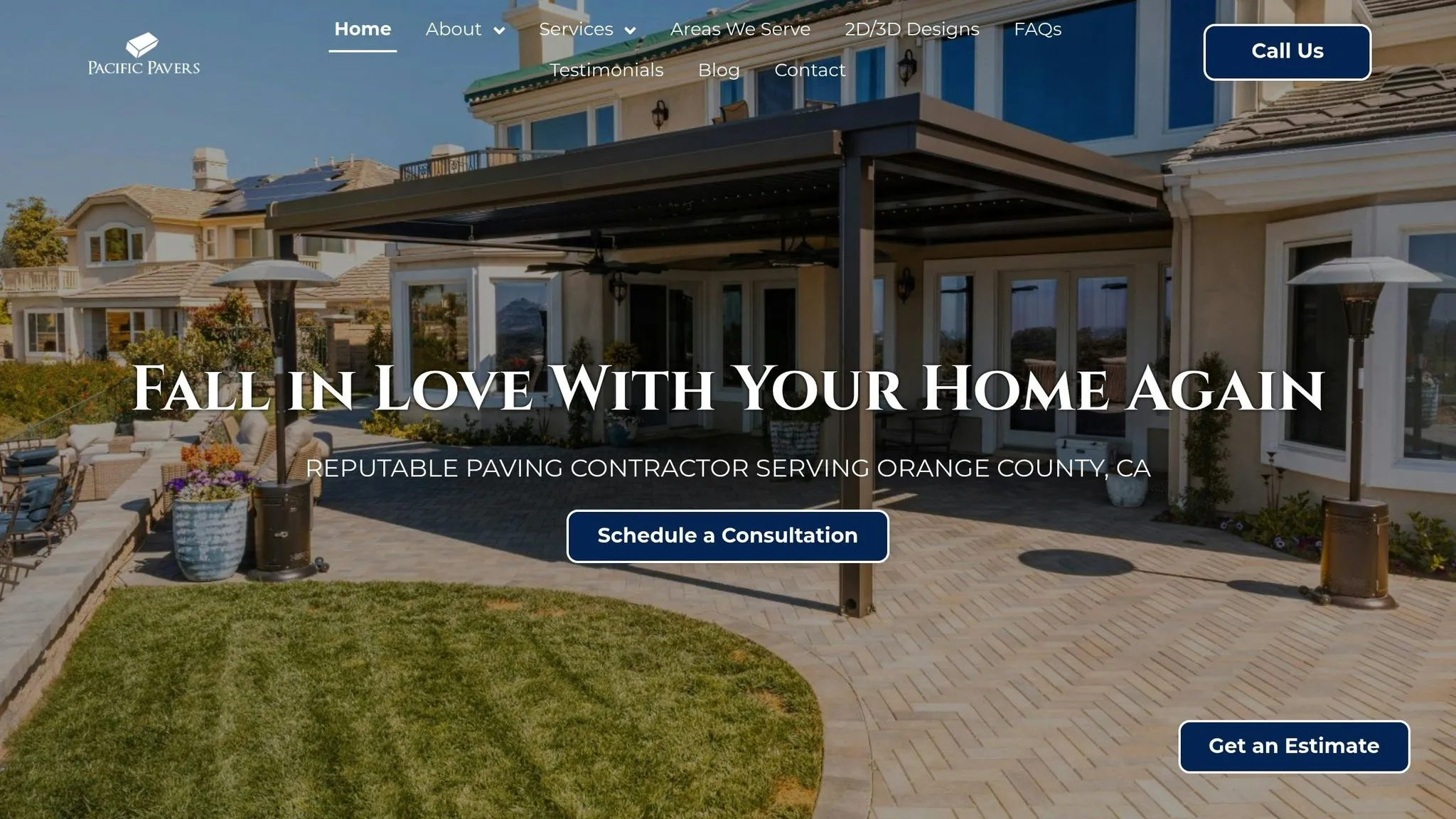
Installing turf infill might look simple, but getting it right takes expertise. Professional installation ensures your synthetic turf not only looks great but also performs well for years. That’s where Pacific Pavers comes in – they bring the tools, techniques, and know-how to deliver top-notch results.
Why Choose Pacific Pavers?
Pacific Pavers has earned its reputation in Orange County by offering a thorough and customized installation process. Their team carefully assesses each site, designs tailored turf layouts, and selects the right type and amount of infill for every project.
“Quality is at the forefront of everything we do at Pacific Pavers. Our commitment begins with using quality materials. Our installers follow industry best practices and rigorous standards to guarantee precision and lasting quality. Additionally, our team conducts thorough inspections during and after installation to guarantee lasting quality and satisfaction.”
Their dedication doesn’t stop at the basics. Using professional-grade tools, they ensure the infill is evenly distributed, fibers are properly supported, and every edge is secure. After installation, they perform detailed inspections to confirm uniform infill depth, upright fibers, and flawless edges.
Another benefit of going with Pacific Pavers? Access to high-quality, manufacturer-recommended materials that aren’t available to DIY enthusiasts. They consider factors like how the turf will be used, pile height, drainage needs, and Orange County’s unique climate to recommend the best infill – whether it’s silica sand, Envirofill, or rubber – and apply it at the ideal depth and density.
This attention to detail ensures every project is built to last and looks fantastic. These qualities are especially important for community and HOA projects, where uniformity and compliance are non-negotiable.
Your Partner for Community and HOA Projects
Pacific Pavers doesn’t just excel at residential installations – they’re also pros at handling large-scale community projects. They’ve completed numerous installations for homeowners’ associations, parks, and shared spaces across Orange County. These projects often involve working with HOA boards, following local regulations, and meeting community standards.
Their experience includes upgrading playgrounds and sports fields with safe, durable, and visually appealing synthetic turf that meets HOA requirements. They’re well-versed in navigating local building codes, HOA covenants, and environmental rules, making the approval process smoother. Plus, all materials they use are non-toxic, pet-friendly, and meet California’s water conservation standards.
For HOA projects, Pacific Pavers provides detailed schedules, clear milestones, and regular updates to keep everything on track and within budget. This level of organization ensures that even large projects meet the same high standards as individual installations.
Creating Beautiful, Functional Outdoor Spaces
Pacific Pavers goes beyond turf installation to create complete outdoor transformations. They combine synthetic turf with other hardscape features to design cohesive, functional spaces. Their services include custom paver installations, concrete designs, outdoor kitchens, firepits, patios, pool remodeling, veneer stone, retaining walls, and Alumawood & Struxure patio covers.
This all-in-one approach means homeowners can coordinate multiple upgrades with a single team, ensuring consistent design and efficient project management. The result? Beautiful outdoor spaces that enhance property value, reduce maintenance, and provide year-round usability.
Professional synthetic turf installation in Southern California typically costs between $8 and $15 per square foot, depending on the project’s complexity, turf quality, and additional features. While the upfront cost might seem high, the long-term benefits – like better durability, minimal upkeep, improved drainage, and a natural look – make it a worthwhile investment.
Pacific Pavers also supports clients after installation by providing detailed maintenance instructions and offering follow-up services to address any settling or wear issues. This ensures your turf stays in top shape for years to come.
Common Questions About Turf Infill
Getting that polished, professional look for synthetic turf starts with mastering the art of infill application. It’s not just about spreading material – understanding the process and executing it with precision makes all the difference.
Final Tips for a Flawless Lawn
Start by ensuring the turf fibers are upright. Use a power broom or rake to lift the fibers before applying infill. This step is crucial for even distribution. Apply the infill in thin layers using a drop spreader. After each layer, brush the turf to remove visible granules and ensure it’s evenly spread. Repeat this process until you reach the recommended depth for your specific turf type and intended use.
Let the infill settle overnight. This allows it to stabilize, improving the turf’s long-term performance and durability.
Regular maintenance is essential. Routine brushing and occasional infill top-ups help maintain the turf’s appearance and functionality. High-traffic areas or spaces used by pets may require more frequent attention.
Weather conditions across the U.S. can also impact infill performance. In hotter regions, cooling infills or occasional rinsing can help manage temperatures. Heavy rains might cause infill to shift, requiring redistribution. Meanwhile, colder climates can lead to compacted infill, making periodic loosening and brushing a must.
These steps highlight why professional installation often delivers better results, both in appearance and longevity.
Is Professional Installation Worth It?
Following these steps shows why hiring experienced professionals can make a noticeable difference. Professionals bring the tools, techniques, and know-how to ensure a flawless finish. They can guide you in selecting the right infill – be it silica sand for basic use, Envirofill for its antimicrobial benefits, or cooling infills designed for hot environments.
What sets professional installations apart is their precision. Experts use calibrated spreaders, high-grade power brooms, and systematic methods to achieve consistent infill depth and even distribution. Beyond that, they address critical aspects like drainage and edge detailing, ensuring the turf looks seamless and performs optimally.
The results speak for themselves. Professionally installed turf not only looks better but also lasts longer. Properly applied infill supports the fibers, prevents matting, improves drainage, and provides cushioning to reduce wear and tear. With regular upkeep, professionally installed turf can maintain its quality and performance for 8–15 years.
Additionally, professional installations often come with warranties and ongoing support, giving you peace of mind. Investing in expert help can mean a more durable, better-looking turf with fewer maintenance concerns over time.
FAQs
Why Hire a Pro for Infill Instead of DIY?
When you hire professionals to handle turf infill application, you’re investing in a durable and well-executed installation that aligns with industry standards. These experts bring the right skills, tools, and techniques to evenly spread the infill, improve drainage, and avoid common pitfalls like uneven surfaces or poor compaction – issues that often plague DIY projects.
While taking the DIY route might seem like a money-saver at first, mistakes can lead to expensive repairs or even full replacements down the line. Opting for professional installation not only spares you time and effort but also boosts the longevity and visual appeal of your synthetic turf, leaving you with a clean and polished result.
How Does Rain or Heat Affect Turf Infill?
Weather plays a big role in how turf infill performs and holds up over time. Heavy rain, for example, can cause the infill to shift or compact unevenly. This might lead to poor drainage or uneven surface levels. To address this, it’s essential to have a solid drainage system in place during installation and to regularly inspect the turf for areas that might need additional infill.
On the other hand, extreme heat can make synthetic turf expand slightly, which could affect how the infill is distributed. Routine brushing and maintenance can help keep the infill evenly spread, ensuring the turf stays functional and visually appealing. Opting for high-quality infill materials that are built to handle weather changes can also go a long way in maintaining the turf’s durability over time.
What’s the Best Infill for My Turf Project?
Choosing the right infill for your synthetic turf is essential to get the look, feel, and performance you want. A few things to keep in mind: how the area will be used (high-traffic zones might need tougher materials), climate conditions (some infills manage heat better), and, of course, your budget, as costs vary depending on the material you choose.
Some popular infill options include silica sand, which is affordable and versatile, rubber infill for extra cushioning, and organic infill if you’re looking for an environmentally friendly option. For expert advice and installation, companies like Pacific Pavers can help make sure your project is done with care and precision.
Related Blog Posts
- Best Base Materials for Synthetic Turf Installation
- Top Drainage Solutions for Synthetic Sports Fields
- How to Choose Synthetic Turf for Pets
- Best Infill Options for Pet Turf
Key Takeaways
- Don’t skip the infill—it’s essential for performance: This granular material gives your turf stability, durability, and that lush, upright look. It acts as a ballast to prevent wrinkles and protects the turf’s backing from wear and tear, significantly extending its lifespan.
- Choose your infill based on your lifestyle: If you have pets, zeolite is the best choice for its odor-neutralizing properties. For general backyard use, silica sand is a great budget-friendly option. For areas with heavy foot traffic, a durable acrylic-coated sand will perform better over time.
- Master the application and maintenance routine: The secret to a flawless finish is applying infill in thin, even layers and brushing it deep into the turf fibers. To keep it looking great, commit to a simple routine of regular brushing and topping off the infill levels once a year, especially in high-traffic spots.

Jeff Tobin is the founder of Pacific Pavers, an award-winning outdoor living company serving Orange County, California. With a 30-person team of ICPI-certified professionals, Jeff specializes in transforming residential and HOA properties through custom paver installations, pool remodeling, and complete outdoor living spaces. His company philosophy—”Flawless craftsmanship. Clear communication. Zero stress.”—reflects his commitment to delivering premium results and exceptional customer experiences. As a BBB-accredited business and Belgard Master Craftsman, Pacific Pavers has become known for process-driven operations and elite craftsmanship in the hardscape industry.