
Dreaming up a stunning outdoor living area is one of the best parts of homeownership. But for those of us in Orange County, beauty has to be backed by brawn. Our coastal air is relentless, and materials that work inland can quickly degrade here. This brings you to a critical choice for your hardscape: natural stone or concrete? While both can create a gorgeous look, their long-term performance against salt and moisture varies dramatically. Let’s explore the key factors in the Stone Concrete Coastal matchup to ensure your beautiful design is also a durable one.
- Natural Stone: Lasts 50–100+ years, costs $15–$30+ per square foot, and resists salt and temperature changes well. It requires periodic sealing but offers long-term durability and timeless aesthetics.
- Concrete: Costs $6–$15 per square foot, lasts 20–30 years, and offers versatile design options. However, it’s more prone to cracking, fading, and salt damage, requiring frequent maintenance.
Quick Comparison:
| Factor | Natural Stone | Concrete |
|---|---|---|
| Durability (PSI) | Up to 8,000 PSI | 2,500–4,000 PSI |
| Lifespan | 50–100+ years | 20–30 years |
| Cost (Installed) | $15–$30+ per sq ft | $6–$15 per sq ft |
| Salt Resistance | Excellent | Moderate (requires sealing) |
| Maintenance | Occasional sealing | Frequent sealing/repairs |
| Aesthetics | Unique patterns/colors | Customizable finishes |
For coastal properties, natural stone offers superior longevity and resilience, while concrete is a budget-friendly option with more frequent upkeep. Consulting professionals ensures proper installation and long-lasting results.
Choosing Your Coastal Hardscape: Stone vs. Concrete
The Case for Natural Stone in Coastal Landscapes
Natural stone, shaped by nature over centuries, is an excellent choice for the demanding environment of coastal Orange County. Its ability to endure salt air, high moisture levels, and temperature swings makes it a reliable and lasting option.
How Well Does Natural Stone Hold Up?
Granite, travertine, and limestone are standout options for coastal hardscapes. These materials are highly resistant to the environmental challenges posed by the coast. Take granite, for example – it can handle up to 8,000 pounds per square inch (PSI), making it incredibly tough for everyday use.
Unlike materials that expand or contract significantly, natural stone holds up well against freeze-thaw cycles. This stability helps it maintain its structural integrity even with fluctuating temperatures. When sealed correctly, travertine and limestone thrive in salty, humid conditions, though they do require periodic resealing to stay in top shape.
Thanks to its ancient formation, natural stone is naturally weather-resistant. It can last for decades – or even centuries – while being up to four times more durable than concrete. This unmatched durability pairs seamlessly with its timeless beauty.
Best Stone Materials for Coastal Homes
When you’re ready to choose a material, a few options stand out for their ability to handle the unique challenges of a coastal environment. You want something that not only looks beautiful but also holds up against salt, sun, and moisture without demanding constant upkeep. Natural stone is a fantastic category to explore because its inherent durability was forged by nature itself. Materials like slate offer a classic, rugged appeal, while modern options like porcelain provide incredible resilience with a sleek finish. Let’s look at why these two are top contenders for any Orange County outdoor project, from a sprawling paver patio to an inviting poolside retreat.
Natural Slate Pavers
Natural slate is a fantastic choice for coastal homes because it brings the inherent strength of stone right to your backyard. Formed over centuries, slate is naturally resistant to the harsh conditions of coastal living, including salt air and fluctuating moisture levels. This means less worry about corrosion or degradation over time. Its dense composition makes it incredibly durable, capable of lasting for decades with proper care. The unique textures and rich, earthy colors of slate also create a stunning, one-of-a-kind look that complements a variety of architectural styles. For a hardscape that offers both timeless beauty and serious longevity, slate is a reliable and elegant option that truly stands the test of time.
Porcelain Pavers
If you’re looking for a material that combines modern engineering with exceptional performance, porcelain pavers are an excellent fit. One of their biggest advantages in a coastal setting is their incredible resistance to salt damage. Because porcelain is non-porous, it doesn’t absorb water, which prevents salt from penetrating and causing deterioration. This quality also makes porcelain pavers highly resistant to stains, mold, and mildew, simplifying maintenance. They are also fade-resistant, so your pool deck or patio will keep its color even after years of sun exposure. With a huge range of styles that can mimic everything from natural stone to wood, porcelain gives you complete design freedom without compromising on durability.
The Natural Beauty of Stone
Natural stone stands out for its unique patterns and colors, which resist fading and stay cool to the touch, even on scorching summer days. Its natural tones retain their charm over time, unlike concrete, which can discolor after extended UV exposure. Additionally, the smaller joints between stone pavers create a more polished, seamless appearance while minimizing maintenance headaches. These aesthetic qualities not only boost curb appeal but also enhance the long-term functionality of natural stone in coastal environments.
What’s the Upkeep and Investment?
To keep natural stone performing well in coastal areas, regular sealing and occasional cleaning are essential. Sheila F., a satisfied customer, shared her experience with Pacific Pavers, saying they “cleaned, sanded, and sealed our paver driveway” and also “leveled out our stone pavers on the patio and pool deck and cleaned, sanded, and sealed it”, adding that the results “look great”.
The initial cost of natural stone ranges from $15 to $30 or more per square foot, installed. While the upfront expense is higher than some alternatives, the long-term value it offers is undeniable. Repairs are also easier and more cost-effective – individual stones can be replaced instead of entire sections. This contrasts with concrete, which often requires full slab replacement when cracks appear. Over time, natural stone not only elevates property value but also helps cut down on replacement costs.
Considering Concrete for Your Coastal Hardscape
Concrete stands out as a more budget-friendly option compared to natural stone, though it comes with higher maintenance demands. While natural stone is celebrated for its durability, concrete offers versatility in design and a lower upfront investment. However, coastal conditions – like salt air, moisture, and fluctuating temperatures – can test concrete’s resilience over time.
What Is Concrete Made Of?
It’s a common mix-up to use “concrete” and “cement” interchangeably, but cement is actually just one part of the concrete recipe. Think of it like baking: cement is the flour, but you still need other ingredients to make the final cake. Concrete is a composite material made from three basic components: a binder (which is the cement), water, and aggregates like sand, gravel, or crushed stone. When these are mixed together in the right proportions, they create a workable paste that can be poured and shaped for various projects. Over time, this mixture hardens into the strong, rock-like surface we see everywhere.
The Role of Cement, Water, and Aggregates
Each ingredient in concrete plays a specific and crucial role. Cement is the fine powder that acts as the glue, holding everything together. When you add water, it kicks off a chemical reaction called hydration, which causes the cement paste to harden and gain strength. This process is what gives concrete its impressive durability. The aggregates—the sand and stone—are more than just fillers; they provide the bulk and stability of the final product. Since aggregates are less expensive than cement, they also help make concrete a more affordable material for large-scale projects. Sometimes, special additives are included to enhance certain properties, like color or resistance to cracking.
How Long Will Concrete Last?
In coastal settings, concrete hardscapes typically last between 20 and 30 years. However, exposure to salt air and humidity can lead to challenges like efflorescence, spalling, reinforcement corrosion, and various types of cracks.
- Shrinkage cracks occur as the concrete cures and dries.
- Thermal cracks result from expansion and contraction due to temperature swings, which are common near the coast.
- Structural cracks may form due to ground movement or heavy loads, particularly in areas with sandy, shifting soils.
When it comes to strength, concrete pavers can handle up to 4,000 PSI, which is about half the strength of many natural stones.
Best Concrete Options for Coastal Homes
High-Density Concrete Pavers
If you have your heart set on concrete, it’s essential to choose a product designed to withstand the coast. High-density concrete pavers are a significant step up from standard poured concrete because they are manufactured in a controlled environment with high-quality mixes. These pavers often include special additives that help them resist salt damage and handle temperature fluctuations better than traditional concrete slabs. While regular sealing every two to three years is still necessary to protect your investment, their dense composition makes them less prone to spalling and cracking. This makes them a more durable and reliable choice for coastal applications, from a welcoming driveway to a relaxing backyard patio.
From Modern to Classic: Concrete’s Style
Concrete offers a level of design flexibility that aligns well with coastal aesthetics. It comes in various styles, including stamped, colored, exposed aggregate, and paver options. Stamped concrete, for instance, can imitate the look of natural stone, brick, or tile, delivering a visually appealing finish at a fraction of the cost. Decorative finishes allow for personalized patterns, colors, and textures, making it easier to match coastal architecture and landscaping.
That said, while concrete can mimic stone, it lacks the unique textures and color variations that make natural stone one-of-a-kind. Companies like Pacific Pavers in Orange County specialize in crafting custom concrete designs that blend reliability with visual appeal, perfect for coastal properties.
Stamped Concrete Overlays
One of the most popular ways to get a high-end look with concrete is through stamped overlays. This technique involves pressing molds into freshly poured concrete to replicate the texture and pattern of other materials. You can achieve the appearance of everything from flagstone and slate to brick and cobblestone, but at a much more accessible price point. The installation is also typically quicker and less labor-intensive than laying individual stones, which helps keep costs down. For homeowners in Orange County who love the aesthetic of natural stone but are working with a specific budget, stamping is a fantastic way to get that custom, luxurious feel for your patio or driveway.
Coloring and Finishing Techniques
Beyond stamping, the real magic of concrete lies in its coloring and finishing options. You aren’t stuck with plain gray. There are several ways to add color, including mixing pigments directly into the concrete, dusting color powders on the surface, or applying acid stains after it cures. Professionals often use a combination of these methods to create depth and variation, making the concrete look remarkably like natural stone. This level of customization means you can create a truly unique outdoor space that complements your home’s coastal style. Visualizing how different colors and textures will look can be tricky, which is why seeing a 2D or 3D design beforehand can make all the difference in bringing your vision to life.
The Price and Care of Concrete
Concrete requires consistent upkeep. This includes sealing every 2–3 years, regular cleaning, and prompt repair of cracks. Standard concrete installations cost around $8–$15 per square foot, with decorative finishes potentially increasing the price but still staying below the $15–$30+ range of natural stone.
Over time, the ongoing expenses for sealing, resurfacing, or repairs can add up. However, concrete pavers come with a practical advantage: they allow for targeted repairs. Damaged pavers can be replaced individually, avoiding the need to redo entire sections.
To maximize concrete’s lifespan in coastal areas, opt for high-quality, low-permeability mixes that include corrosion inhibitors and air-entrainment additives. These specialized mixes help protect against salt penetration and reduce freeze-thaw damage. Proper installation and regular maintenance are also essential for keeping concrete hardscapes in good shape over the years.
Beyond the Patio: Concrete in Coastal Defense
How Tetrapods Protect Shorelines
Living in a coastal community like Orange County, we see how the ocean shapes our environment. While we use concrete to create beautiful and durable patios and driveways, this versatile material also plays a massive role in protecting our shorelines. One of the most recognizable examples of this is the tetrapod, a uniquely shaped concrete structure designed for coastal defense. These structures showcase the incredible strength of concrete on a much larger scale, moving from backyard designs to massive infrastructure projects that keep our coastlines intact.
Invented in France in 1950, tetrapods are large, four-pronged concrete blocks used to build breakwaters and seawalls. Their specific shape is engineered to dissipate the force of incoming waves by allowing water to flow around them rather than crashing against a flat surface. As waves roll in, the interlocking tetrapods absorb the energy, reducing erosion and protecting coastal structures behind them. You can see them used all over the world, especially in places like Japan, where they are a critical part of coastal protection efforts.
Stone vs. Concrete: A Head-to-Head Look
When deciding between natural stone and concrete for coastal hardscapes, it’s essential to weigh the pros and cons of each material. While both have their strengths, their performance in coastal environments can greatly impact durability, maintenance, and overall value over time. Let’s break down the key factors that differentiate these two options.
In terms of durability and lifespan, natural stone stands out. It can handle up to 8,000 pounds per square inch (PSI) and, with proper care, can last an impressive 50–100+ years. Concrete, on the other hand, typically achieves 2,500–4,000 PSI and may need replacement after 20–30 years. This makes natural stone a better long-term investment for areas exposed to harsh coastal conditions.
Coastal environments, with their salt spray and high humidity, are particularly tough on materials. Concrete is more prone to cracking and deterioration, while natural stone retains its structural integrity with minimal issues. Although natural stone comes with a higher upfront cost – ranging from $15–$30+ per square foot installed – compared to concrete’s $6–$15 per square foot, the longevity and reduced replacement costs make it a more economical choice in the long run.
Maintenance is another critical factor. Both materials benefit from periodic sealing to protect against wear, but natural stone has smaller joints, which reduce water infiltration and cracking. Concrete, especially in coastal areas, is more susceptible to damage from temperature fluctuations and ground movement. When cracks appear, repairing concrete often involves replacing entire sections, whereas individual natural stone pavers can be swapped out as needed.
Here’s a side-by-side comparison to help visualize the differences:
At a Glance: Stone vs. Concrete
| Factor | Natural Stone | Concrete |
|---|---|---|
| Durability (PSI) | Up to 8,000 PSI | 2,500–4,000 PSI |
| Lifespan | 50–100+ years | 20–30 years |
| Cost (Installed) | $15–$30+ per sq ft | $6–$15 per sq ft |
| Salt Resistance | Excellent | Moderate (requires sealing) |
| Temperature Resistance | Superior (minimal cracking) | Prone to thermal cracks |
| Maintenance Frequency | Periodic sealing | Sealing every few years |
| Repair Method | Individual paver replacement | Often requires section replacement |
| Color Retention | Natural colors remain stable | May fade from UV exposure |
| Design Flexibility | Unique, natural variations | Customizable through decorative finishes |
| Installation Complexity | Requires skilled professionals | Generally easier, DIY-friendly |
Natural stone also scores high in aesthetics. Its unique patterns and colors give a timeless, authentic look that only improves with age. For coastal properties, its ability to withstand environmental stressors like salt and temperature changes makes it the more reliable option for long-term use. While concrete might appeal with its lower initial cost and customizable finishes, natural stone tends to enhance property value and reduce repair expenses over time.
sbb-itb-11ea599
The Challenge of Salt, Sun, and Sand
Coastal environments bring a unique set of challenges that can put your hardscape to the test. The combination of salt-laden air, intense UV rays, high humidity, and temperature swings creates conditions that inland properties rarely encounter. These factors don’t just work independently – they amplify each other, leading to material-specific wear and tear.
Take salt exposure, for example. Ocean spray carries salt particles that settle on surfaces, penetrating both natural stone and concrete. This can trigger efflorescence and speed up erosion. For concrete, the problem runs deeper – salt can corrode the steel reinforcements inside, weakening the structure and leading to expensive repairs.
High humidity is another culprit. It encourages mold and algae growth, especially on porous materials like limestone and sandstone, which soak up moisture and gradually degrade. Concrete isn’t immune either; moisture can seep in, and when combined with freeze-thaw cycles, it creates even bigger issues.
Then there’s UV radiation, which can fade colors and make materials brittle. Concrete, in particular, struggles with UV exposure – its pigments fade, and the surface becomes more fragile over time. Natural stone, thanks to its mineral makeup, generally holds its color better, though softer stones may show slight fading.
Even in milder coastal climates, freeze-thaw cycles can wreak havoc. Water seeps into small cracks, freezes, and expands, making cracks worse and causing spalling. These environmental pressures directly influence how natural stone and concrete perform, as outlined below.
Which Material Handles Coastal Weather Better?
When it comes to standing up to coastal challenges, natural stone and concrete show clear differences in performance. Dense natural stones like granite and slate excel in these environments due to their low porosity and tightly packed mineral structures. They resist salt penetration and maintain their strength even after decades of exposure to harsh coastal conditions.
Concrete’s performance, however, depends largely on its mix and installation. Standard concrete is more prone to salt damage and UV fading. But engineered concrete – designed with air-entrainment and low water-cement ratios – can handle coastal stress much better. Additionally, natural stone’s smaller joints limit the amount of moisture and salt that can seep in compared to concrete’s larger surface and potential micro-cracks.
Drainage and base preparation also play a pivotal role in durability. Without proper drainage, water pooling can speed up freeze-thaw damage and erosion for both materials. A well-prepared base – with correct grading, compaction, and geotextiles – helps prevent these issues and reduces maintenance in the long run.
“Our commitment begins with using premium materials and employing highly skilled installers who are experts in their craft. We follow industry best practices and adhere to rigorous standards to ensure each project is completed with precision. Additionally, our team conducts thorough inspections during and after installation to guarantee lasting quality and satisfaction.” – Pacific Pavers
Sealing requirements vary between the two materials. Porous natural stones need sealing every 1–2 years to block moisture and salt, while concrete generally requires sealing every 2–3 years. In both cases, using high-quality sealers designed for coastal environments is a must to combat salt, moisture, and UV damage.
Finally, the expertise of the installer makes all the difference in coastal projects. Professional contractors understand how local conditions affect material choices and installation methods. They know how to implement drainage solutions tailored to coastal soil, grade surfaces for proper runoff, and select sealers that provide long-lasting protection against the harsh coastal elements.
Proper Installation for Coastal Hardscapes
Choosing the right material is a great start, but the long-term success of your coastal hardscape truly hinges on proper installation. The sandy soil and salty air in Orange County demand a more robust approach than in other areas. A beautiful patio or driveway can quickly become uneven or damaged if the foundation isn’t built to withstand the unique environmental pressures. It’s not just about laying stones; it’s about creating a stable, resilient system from the ground up. This involves building a multi-layered base that provides excellent drainage and securing the pavers with jointing material that won’t wash away. Getting these steps right ensures your investment not only looks fantastic on day one but continues to perform beautifully for years to come. Professional installation services are critical to navigating these coastal-specific challenges.
Building a Stable Base in Sandy Soil
One of the biggest mistakes you can make is laying pavers directly onto the native sandy soil. Sand shifts and doesn’t provide the stable foundation needed to keep pavers level and secure. To create a durable base, you need to build it in layers. The process starts by excavating the area and then laying down a 4- to 6-inch layer of coarse gravel, followed by a 2- to 4-inch layer of crushed stone. Each layer must be thoroughly compacted to create a solid, interlocking foundation. Finally, a 1-inch layer of sand is added on top as a setting bed for the pavers. This layered system provides the necessary stability and, just as importantly, ensures proper drainage, preventing water from pooling and eroding the base over time.
Using Polymeric Sand to Secure Joints
Once the pavers are in place, what you use to fill the joints between them makes a huge difference, especially near the coast. While regular sand is an option, it easily washes out with rain or rinsing, leading to shifting pavers, weed growth, and insect infestations. A far better choice is polymeric sand. This special sand is swept into the joints and then activated with a light mist of water, causing it to harden and bind the pavers together. This creates a strong, flexible bond that resists erosion from wind and water, effectively locking your hardscape in place. It also forms a durable barrier that prevents weeds from sprouting and ants from building nests, significantly reducing your maintenance workload.
Protecting Your Investment: Coastal Hardscape Maintenance
After your beautiful new hardscape is installed, a little routine maintenance will go a long way in protecting your investment from the coastal elements. Think of it like caring for a car; regular upkeep keeps it looking and performing its best. For pavers in Orange County, this means being proactive against the effects of salt, sun, and moisture. Consistent cleaning and sealing are the two most important tasks that will preserve the color, texture, and structural integrity of your natural stone or concrete pavers. By establishing a simple maintenance schedule, you can ensure your outdoor space remains a stunning and functional extension of your home, just like the beautiful projects you see in our gallery.
Applying the Right Sealer
Sealing your pavers is non-negotiable in a coastal climate. A high-quality sealer acts as a protective shield, preventing salt and moisture from penetrating the surface and causing damage like erosion or efflorescence. There are different types of sealers to consider. Penetrating, silicon-based sealers soak into the paver to repel water from within, while acrylic sealers form a protective film on the surface that can also enhance the stone’s natural color. For best results, natural stone should be sealed every one to two years, while concrete pavers typically need a fresh coat every two to three years. This simple step is one of the most effective ways to defend your paver patio or driveway against the harsh coastal environment.
Routine Cleaning and Care
Regular cleaning is essential for keeping your hardscape looking fresh and preventing long-term damage. The main goal is to remove the salt and sand that inevitably accumulate. Start by sweeping the surface regularly to get rid of loose debris. A simple rinse with fresh water from a garden hose is often enough to wash away salt residue. A couple of times a year, or after a major storm, you might consider a gentle pressure wash on a low setting to give it a deeper clean. Just be careful not to use too much pressure, as it can strip the sealer and even damage the surface of the pavers or blast out the joint sand. Consistent, gentle cleaning is the key to preserving your hardscape’s beauty.
Why Local Expertise from Pacific Pavers Solutions
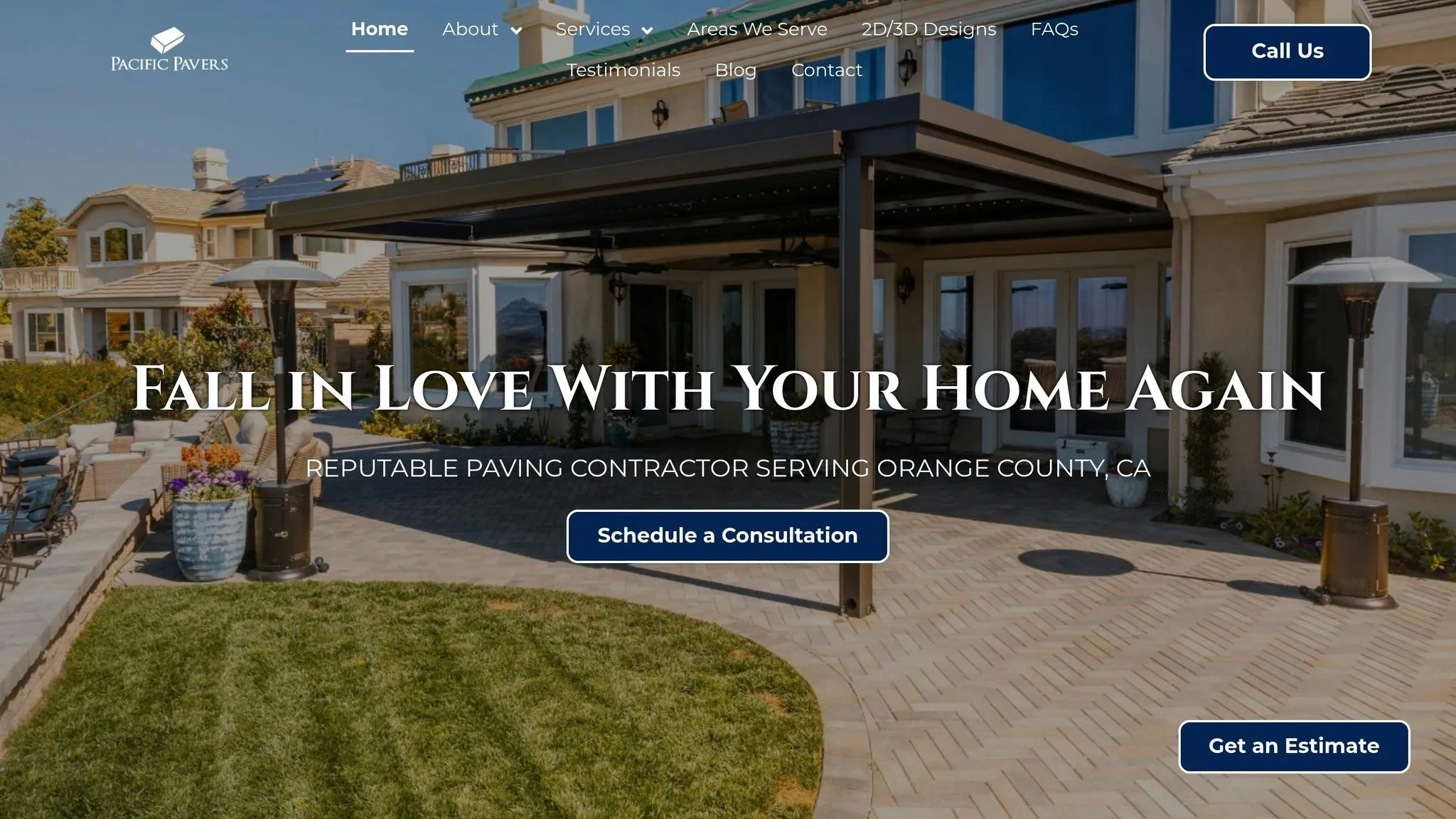
For coastal hardscape installations in Orange County, choosing the right contractor is crucial. A well-executed installation not only lasts for decades but also avoids costly repairs. Pacific Pavers stands out with their deep understanding of coastal environments, offering expertise in working with both natural stone and concrete. Their solutions are designed to tackle the unique challenges posed by Southern California’s coastal climate.
Why Choose Pacific Pavers?
With a stellar 4.9/5 rating across 127 reviews on Google and Yelp, Pacific Pavers has built a reputation for delivering high-quality hardscape solutions tailored to coastal needs. Their team is well-versed in how salt air, humidity, and temperature shifts impact materials, ensuring that every installation remains durable and visually appealing in Orange County’s demanding coastal conditions.
Customers frequently praise their prompt and professional service. Even when issues arise, Pacific Pavers addresses repairs quickly to maintain the integrity of their installations.
Hardscape Services Designed for the Coast
Pacific Pavers offers a wide range of services designed specifically for the challenges of Orange County’s coastal climate:
- Custom Paver Installations: Using materials chosen for their resistance to salt air and moisture, these installations are built to last.
- Veneer Stone Services: Natural stone facades that maintain their beauty, even in harsh coastal conditions.
- Concrete Design and Installation: Their concrete solutions are engineered to handle thermal expansion and moisture issues, ensuring long-term performance.
- Paver Sealing and Maintenance: Professional-grade sealants protect surfaces from salt damage, moisture, and UV fading, extending the life of your investment.
Beyond these core services, Pacific Pavers also specializes in pool remodeling and deck renovations. They create slip-resistant surfaces and design drainage solutions to prevent water pooling and salt buildup – key concerns in coastal environments. For HOA renovation projects, their expertise in community requirements and coastal construction standards ensures smooth and efficient updates.
Another critical service is retaining wall installation, which helps combat soil erosion – a common issue in coastal areas. Pacific Pavers designs these walls with coastal soil conditions and drainage needs in mind. Additionally, their Alumawood and Struxure patio covers provide essential UV protection while withstanding coastal winds and salt exposure, enhancing outdoor spaces and protecting underlying hardscapes.
With a combination of material expertise, specialized installation techniques, and ongoing maintenance services, Pacific Pavers has become a trusted partner for homeowners and communities in Orange County. Their ability to consistently deliver projects on time and within budget, all while adhering to the highest quality standards, underscores their reliability in managing the demands of coastal environments. Each project is crafted to endure the challenges of coastal living while maintaining its beauty for years to come.
Making the Right Choice for Your Coastal Home
Deciding between natural stone and concrete for coastal hardscapes comes down to weighing factors like durability, appearance, and cost. Natural stone stands out for its exceptional lifespan of over 50 years and its ability to endure harsh weather conditions. While the upfront cost ranges from approximately $15 to $30 or more per square foot, its long-term benefits shine through in lower maintenance needs and increased property value.
On the other hand, concrete offers a more budget-friendly solution, with flexible design options and straightforward installation. However, its typical lifespan of 20–30 years and the need for more frequent upkeep in coastal environments may offset some of its initial savings. These considerations are crucial when making an informed choice.
Coastal environments – characterized by salt exposure, high humidity, and fluctuating temperatures – can accelerate material wear. In such conditions, natural stone’s impressive ability to withstand pressures of up to 8,000 PSI far surpasses concrete’s range of 2,500–4,000 PSI, making it a more durable option for demanding settings.
Given these factors, consulting local experts is key to making the best decision. For homeowners in Orange County, working with professionals like Pacific Pavers can make all the difference. Their expertise in coastal conditions ensures that every aspect of your project – material selection, installation methods, and maintenance plans – is tailored to meet the challenges of the Southern California coastline. With a deep understanding of how salt air, humidity, and temperature shifts affect materials, they help create outdoor spaces that not only look stunning but also stand the test of time.
Choosing the right materials and skilled installation guarantees that your hardscape will endure coastal challenges while maintaining its beauty for years to come.
FAQs
Stone vs. Concrete for Coastal Areas: What Should I Consider?
When deciding between natural stone and concrete for coastal areas, it’s essential to weigh durability, appearance, and cost. Natural stone brings a classic, elegant look and can withstand tough coastal conditions, though it often comes with a higher initial price. Concrete, by contrast, is more budget-friendly, highly adaptable, and can even be crafted to resemble natural stone.
Think about how each material will perform against saltwater, humidity, and the frequent temperature changes typical of coastal environments. With proper installation and care, both materials can create an outdoor space that’s both beautiful and long-lasting.
How Often Do Stone and Concrete Need Coastal Maintenance?
Natural stone often demands extra care in coastal areas. Its porous structure makes it prone to saltwater damage, staining, and erosion. To keep it in good shape, regular sealing is a must – it acts as a barrier against these harsh elements.
Concrete, while generally tougher in such settings, isn’t completely immune to wear and tear. Without proper treatment, it can crack or erode over time. Applying a protective sealant and fixing small cracks early can go a long way in preserving its durability. For both materials, routine cleaning is key to removing salt and debris that can accelerate damage.
How Can I Protect Stone and Concrete in a Coastal Climate?
Coastal climates present unique challenges for outdoor materials like natural stone and concrete. The combination of high humidity, salt exposure, and shifting temperatures can cause erosion, discoloration, and even structural issues over time.
To combat these effects, applying sealants is a smart way to shield surfaces from moisture and salt infiltration. Routine cleaning is equally important to remove corrosive salt deposits before they cause damage. Opting for durable materials, such as dense, salt-resistant stone or specially formulated concrete for coastal settings, can also make a big difference in ensuring these surfaces last longer and perform better.
Related Blog Posts
- Concrete vs Pavers: Which Costs Less Long-Term?
- How to Choose the Right Retaining Wall Material
- Best Materials for Weather-Resistant Pavers
- Benefits of Using Natural Stone for Fire Features
Key Takeaways
- Prioritize Longevity with Natural Stone: While it costs more upfront, natural stone is the superior choice for coastal durability. It naturally resists salt and moisture, requires less frequent maintenance, and can last for over 50 years, making it a sound long-term investment.
- Opt for Concrete for Creative Control and Budget: Concrete provides a cost-effective way to achieve a custom look through stamping and coloring. To make it last in a coastal climate, you must commit to sealing it every few years to prevent cracking and salt damage.
- Installation and Upkeep Matter Most: Your hardscape’s success depends less on the material and more on the installation quality and your maintenance routine. A solid, well-drained base and consistent sealing are essential for protecting any paver project from the harsh coastal elements.

Jeff Tobin is the founder of Pacific Pavers, an award-winning outdoor living company serving Orange County, California. With a 30-person team of ICPI-certified professionals, Jeff specializes in transforming residential and HOA properties through custom paver installations, pool remodeling, and complete outdoor living spaces. His company philosophy—”Flawless craftsmanship. Clear communication. Zero stress.”—reflects his commitment to delivering premium results and exceptional customer experiences. As a BBB-accredited business and Belgard Master Craftsman, Pacific Pavers has become known for process-driven operations and elite craftsmanship in the hardscape industry.