

When deciding between Struxure pergolas and traditional pergolas, your choice comes down to features, cost, and maintenance. Struxure pergolas are modern, motorized structures made from durable aluminum, offering adjustable louvers, weather sensors, and low upkeep. They’re ideal for year-round use but come with a higher price tag ($15,000–$25,000 installed).
In contrast, traditional pergolas are simpler, often made of wood, with fixed slats that provide partial shade. They’re more affordable upfront ($3,000–$8,000 installed) but require regular maintenance, especially in coastal climates. While Struxure pergolas excel in functionality and durability, traditional pergolas offer a classic aesthetic at a lower initial cost.
Quick Comparison
| Feature | Struxure Pergolas | Traditional Pergolas |
|---|---|---|
| Material | Powder-coated aluminum | Wood or aluminum |
| Weather Protection | Adjustable, watertight louvers | Limited, fixed slats |
| Automation | Smart controls, weather sensors | None |
| Maintenance | Minimal (soap and water) | Regular staining or painting |
| Lifespan | 15+ years | 5–15 years |
| Cost | $15,000–$25,000 installed | $3,000–$8,000 installed |
| Design Style | Sleek, modern | Rustic, natural |
| Year-round Usability | Yes | Limited |
Struxure pergolas are perfect for high-tech, low-maintenance outdoor spaces, while traditional pergolas suit those prioritizing affordability and a timeless look.
Cost Breakdown Of Smart Louvered Pergolas From Diy To Professional Installation
Struxure Pergolas: Features and Benefits
Struxure pergolas bring outdoor living to a whole new level with smart design and high-quality materials. Here’s a closer look at the features that make them stand out.
Adjustable Louvers and Smart Controls
The standout feature of Struxure pergolas is their patented interlocking louvers, which rotate up to 170° for precise control over sunlight, shade, and rain protection. Unlike traditional fixed structures, these motorized louvers let you adjust your outdoor environment to match your needs, whether you’re seeking sunlight, shade, or a rainproof cover.
The pergolas also feature a smart control system that can be operated via remote, smartphone app, or voice commands through Alexa and Google Home. Built-in weather sensors take convenience a step further by automatically adjusting the louvers based on real-time conditions. When rain is detected, the louvers close to form a watertight seal, while hidden gutters discreetly channel water away without compromising the look of the structure.
Durability and Low Maintenance
Struxure pergolas are built to last, thanks to their fully extruded, aircraft-grade aluminum construction with a powder-coated finish. This design resists rust, warping, and fading, making it ideal even for coastal areas like Orange County. Unlike wood structures that require regular sanding, staining, or painting, these pergolas need only occasional cleaning with soap and water to maintain their appearance. Plus, the lifetime transferable warranty ensures long-term value and peace of mind for homeowners.
Design Options and Customization
Struxure pergolas go beyond basic shade structures, offering a range of customization options to create a fully functional outdoor living space. You can enhance the ambiance with integrated LED lighting for evening gatherings or add motorized privacy screens for instant seclusion. For year-round comfort, options like built-in infrared heaters and ceiling fans make the space cozy in cooler months and breezy during the summer. Want to turn it into an entertainment hub? High-fidelity sound systems can be seamlessly integrated.
The design is flexible enough to accommodate any outdoor area, from small patios to large poolside decks. Wall-mounted models are specifically engineered to meet strict wind resistance standards, making them a great option for homes with limited yard space. These features transform your outdoor area into a space you can enjoy for three – or even four – seasons, blending comfort and functionality effortlessly.
Standard Pergolas: Features and Benefits
Unlike modern, tech-forward alternatives, traditional pergolas focus on timeless style and cost-effectiveness. While options like Struxure pergolas boast advanced technology, standard pergolas have long been favored for their enduring design and budget-friendly nature. These classic structures bring several appealing features to outdoor spaces.
Classic Design and Natural Appeal
Standard pergolas are known for their fixed-slat roof design, which creates beautiful patterns of dappled sunlight throughout the day. Typically made from wood or aluminum, they feature open sides that allow for natural light and airflow to enhance the outdoor experience.
What truly sets traditional pergolas apart is their ability to harmonize with climbing plants and vines. When adorned with greenery, wood pergolas, in particular, exude a sense of organic warmth. They pair beautifully with a variety of home styles, from Craftsman to modern farmhouse, offering a seamless connection between indoor and outdoor spaces.
This natural charm makes standard pergolas ideal for defining outdoor areas. Whether used to frame a dining space, create a cozy reading nook, or serve as a garden centerpiece, they add structure and elegance without overwhelming the surrounding architecture.
Affordability and Customization
One of the standout features of standard pergolas is their affordable price point, especially when compared to motorized or high-tech models. A basic wood pergola typically costs between $1,500 and $5,000, depending on size and material. Aluminum models might cost a bit more but still remain within reach for most homeowners looking to enhance their outdoor space without a hefty investment.
Customization options are plentiful and budget-friendly. Homeowners can choose from different wood types like cedar, redwood, or pressure-treated pine, each offering unique looks and price ranges. Stains, paint colors, and decorative beam designs allow for personalization that complements existing outdoor décor.
Additional features like lattice panels, built-in seating, hanging lights, and supports for climbing plants can be added during the initial build or as future upgrades. These options make it easy to tailor the pergola to individual tastes and budgets, creating a space that feels both functional and personal.
Weather Protection and Maintenance Challenges
While standard pergolas offer plenty of aesthetic charm, they provide limited protection against harsh weather conditions such as heavy rain, strong winds, or intense sunlight. This makes them best suited for fair-weather use and less ideal for year-round enjoyment.
Wood pergolas, in particular, require regular upkeep to maintain their appearance and durability. Annual sanding, staining, or painting is necessary to prevent rot and decay, with a typical lifespan of 10–20 years. Aluminum pergolas, on the other hand, are more durable, requiring only occasional cleaning and lasting 20–30 years with minimal maintenance.
To improve usability in unpredictable weather, homeowners often add umbrellas, outdoor curtains, or retractable awnings for extra coverage. However, standard pergolas are most practical in regions with mild, consistent climates where they can be enjoyed without frequent interruptions due to weather.
Despite these limitations, many homeowners are drawn to the charm and affordability of traditional pergolas. For those who prioritize classic style and a welcoming outdoor atmosphere over advanced features, these structures remain a popular choice. Their design and cost-effectiveness make them a timeless addition to many homes.
sbb-itb-11ea599
Side-by-Side Comparison Table
When weighing the choice between Struxure pergolas and traditional pergolas, a direct comparison can help you determine which option aligns better with your preferences, lifestyle, and budget. Below is a detailed table highlighting the main differences:
Comparison Table: Features and Performance
| Feature | Struxure Pergolas | Traditional Pergolas |
|---|---|---|
| Material | Aircraft-grade extruded aluminum with powder coating | Wood (cedar, redwood, pine) or vinyl |
| Weather Protection | Watertight seal when closed; integrated gutter systems | Limited protection; provides dappled shade |
| Louver Control | Motorized with smartphone controls | Fixed slats or manual adjustment |
| Automation Features | Rain and wind sensors, remote control, smart integration | None |
| Maintenance Requirements | Occasional soap and water cleaning | Annual sanding, staining, or painting |
| Lifespan | Several decades with minimal upkeep | Around 10–15 years with regular maintenance |
| Upfront Cost | $15,000–$25,000 installed | $3,000–$8,000 installed |
| Long-term Ownership Cost | Lower due to minimal maintenance | Higher due to ongoing upkeep ($300–$800 annually) |
| Customization Options | Integrated LED lighting, heaters, fans, speakers | Customizable in size, shape, and decorative elements |
| Design Style | Modern, sleek, and contemporary | Classic and rustic, showcasing natural wood |
| Snow Load Rating | 50 pounds per square foot | Varies by construction |
| Hurricane Rating | Meets Florida Hurricane Laws standards | Varies; generally less resistant |
| Warranty | Lifetime transferable warranty | Limited manufacturer warranties |
| Property Value Impact | Adds luxury appeal and enhances home value | Provides a moderate boost to property appeal |
| Year-round Usability | Usable as a 3- to 4-season outdoor space | Primarily for fair-weather use |
| Installation Options | Wall-mounted or freestanding | Typically freestanding |
This comparison highlights two distinct approaches to outdoor living. Struxure pergolas stand out with advanced features like motorized louvers, weather sensors, and smart home integration, offering a modern, low-maintenance solution. On the other hand, traditional pergolas provide a rustic, natural aesthetic at a lower upfront cost, though they demand regular upkeep and are less versatile in various weather conditions.
While Struxure pergolas require a larger initial investment, their durability and minimal maintenance often make them more cost-effective in the long run. Traditional pergolas, with their classic charm, may be more budget-friendly upfront but can accrue higher ongoing expenses due to the need for treatments to protect against the elements.
In Orange County, CA, Pacific Pavers notes that homeowners who choose Struxure pergolas often enjoy increased patio usage, regardless of weather, thanks to their advanced features. Meanwhile, those opting for traditional pergolas appreciate the timeless look but may encounter limitations during colder or wetter seasons. Ultimately, your decision will depend on whether you prioritize modern convenience and long-term value or a classic design with a more affordable starting price.
Cost, Maintenance, and Longevity
When choosing the perfect pergola, it’s not just about how it looks or functions. Long-term costs and upkeep play a big role in deciding which option is right for your outdoor space.
Upfront Costs and Total Ownership
The price difference between Struxure pergolas and traditional wood pergolas is striking. Struxure pergolas typically cost between $15,000 and $25,000 installed, while wood pergolas are more budget-friendly upfront, ranging from $3,000 to $8,000 for materials and basic installation. While the initial cost of a wood pergola might seem more appealing, it’s essential to think about the long-term expenses that come with each option.
Struxure pergolas have minimal yearly upkeep costs, usually under $200, thanks to their durable aluminum design. On the other hand, wood pergolas can rack up $500 to $1,000 annually for maintenance and may need replacing within 10 years. Over time, these recurring expenses can make the seemingly cheaper wood pergola more costly in the long run.
Maintenance Requirements
The maintenance needs of these pergolas couldn’t be more different. Struxure pergolas are designed for low maintenance. A simple cleaning to remove dirt and debris is usually all that’s required. Their powder-coated aluminum finish means no need for painting, staining, or sealing.
In contrast, wood pergolas demand regular care. They need annual or biannual staining, routine inspections, and occasional repairs. This upkeep not only adds to the cost but also requires a significant time commitment from homeowners.
Lifespan and Durability
Durability is where Struxure pergolas truly shine. Built with corrosion-resistant aluminum, they are designed to last 15 years or more, even in challenging environments like coastal areas. Wood pergolas, however, typically last only 5 to 10 years, as they’re prone to rot, warping, and insect damage.
Struxure pergolas also boast a snow load rating of 50 pounds per square foot and meet Florida Hurricane Laws standards, proving their ability to withstand extreme weather. Wood pergolas, by comparison, are less resilient and may require repairs – or even replacement – after severe storms. Additionally, Struxure pergolas come with a lifetime transferable warranty, offering peace of mind for years to come. Wood pergolas, on the other hand, often come with limited warranties that may only cover a few years and exclude issues caused by weather or pests.
These factors highlight the importance of considering the total cost of ownership and durability when selecting a pergola. For homeowners in Orange County, Pacific Pavers offers expert consultation and installation for both styles. With their in-depth understanding of the local climate and HOA guidelines, they help ensure outdoor spaces are not only beautiful but also built to last.
Choosing the Right Pergola for Your Outdoor Space
To find the perfect pergola for your outdoor area, consider these five key factors: functionality, climate, maintenance, budget, and aesthetics. These elements, combined with earlier comparisons, will help you select a pergola that aligns with your lifestyle and preferences.
Functionality is the starting point. If you’re looking for an outdoor space that can be used year-round with adjustable shade and weather protection, Struxure pergolas stand out. Their motorized louvers, built-in gutter systems, and smart controls transform your space into a highly versatile outdoor room. On the other hand, if you’re content with basic shade and don’t need advanced features, a traditional pergola might suffice.
Climate also plays a major role. For Orange County’s sunny days with occasional rain, Struxure pergolas excel thanks to their weather adaptability. In contrast, traditional wood pergolas provide limited weather protection and may need extra care to withstand sun and moisture exposure.
Maintenance is another important consideration. Struxure pergolas require minimal upkeep; their powder-coated aluminum construction only needs occasional cleaning. Traditional wood pergolas, however, demand regular sanding, staining, or painting to prevent rot, fading, and wear over time.
Budget is a balancing act between upfront costs and long-term expenses. Traditional pergolas are less expensive initially but may incur higher maintenance and replacement costs over the years. Struxure pergolas, while requiring a larger initial investment, offer long-term savings due to their durability and low maintenance needs.
Aesthetics matter, too. Struxure pergolas provide extensive customization options, including integrated LED lighting, motorized privacy screens, heaters, and sound systems – all controllable via smartphone apps or voice assistants like Alexa. Traditional pergolas, while simpler, bring a timeless, natural charm with customization options mostly limited to wood type and stain color.
Don’t forget to check local HOA guidelines and building codes. Struxure pergolas are often easier to approve due to their engineered designs, which frequently meet strict standards. Local expertise can also help you navigate these requirements and make informed choices.
Pacific Pavers: Your Local Outdoor Living Experts
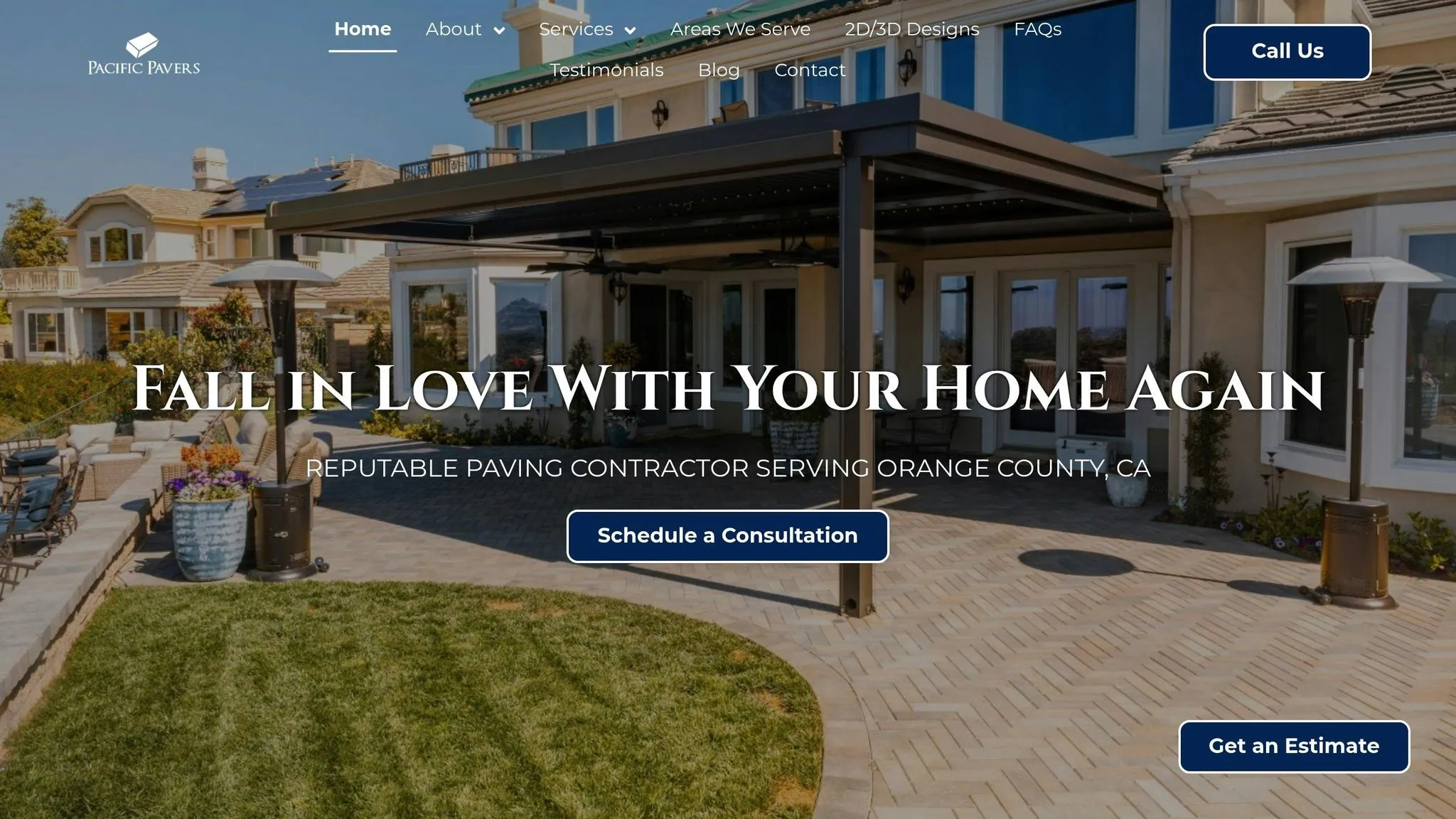
Pacific Pavers specializes in both Struxure and traditional pergola installations across Orange County. Their team’s deep understanding of the area’s climate and HOA requirements ensures your pergola is not only functional but also compliant with neighborhood standards.
But their expertise doesn’t stop at pergolas. Pacific Pavers offers a full range of outdoor living solutions, including custom paver patios, firepits, outdoor kitchens, and Alumawood patio covers. This comprehensive approach allows your pergola to seamlessly integrate with other outdoor features, creating a cohesive and functional space tailored to your lifestyle.
Their local knowledge is invaluable for navigating permits and neighborhood guidelines. Pacific Pavers takes care of the technical details while helping you choose materials, placement, and customization options that work best for Orange County’s unique climate and your specific needs.
FAQs
What should I consider when choosing between a Struxure pergola and a traditional pergola for my outdoor space?
When weighing the choice between a Struxure pergola and a traditional pergola, it’s important to think about features, materials, and functionality. Struxure pergolas stand out with modern perks like motorized louvers and weather sensors, giving you more control and comfort. On the other hand, traditional pergolas tend to emphasize a timeless look and straightforward design.
For those planning to upgrade their outdoor space, Pacific Pavers offers tailored solutions with Alumawood and Struxure patio covers, ensuring your preferences and needs are met.
What are the differences in maintenance and long-term costs between Struxure pergolas and traditional pergolas?
Struxure pergolas stand out for their low-maintenance appeal, thanks to their durable, weather-resistant materials and modern design. In contrast, traditional pergolas, often constructed from wood, demand more upkeep. This includes regular sealing, staining, or painting to shield them from weather damage, pests, and general wear over time.
Although the initial investment for a Struxure pergola may be higher, its minimal maintenance needs and extended lifespan can make it a more cost-effective choice over time. On the other hand, traditional pergolas might come with a lower upfront price but often lead to higher ongoing costs for maintenance and repairs. When choosing between the two, think about your budget, how much effort you’re willing to put into upkeep, and how you envision using the space.
Are Struxure pergolas built to handle extreme weather, and how do they compare to traditional pergolas in coastal environments?
Struxure pergolas are built to handle tough weather conditions, whether it’s heavy rain, strong winds, or blazing sun. Made with durable aluminum, they’re designed to resist rust and corrosion – an essential feature for coastal areas where salty air can quickly cause damage.
Unlike traditional pergolas, Struxure pergolas stand out in harsh climates. Their adjustable louvered roofs let you manage sunlight and airflow with ease, while their solid construction provides dependable protection and long-term durability, even in the most demanding environments.