
A crumbling concrete walkway at your front door sends the wrong message to guests. Swapping old slabs for custom pavers can boost your home value and fix curb appeal. This simple upgrade turns a plain entrance into a grand statement.
A professional paver walkway installation Orange County project provides a durable and stylish way for homeowners to improve their curb appeal. Interlocking pavers are better than plain concrete because they can flex with local clay soil without cracking. This trait is vital in Southern California where ground movement is common. A new walkway can offer a return of over 100 percent while giving your path a custom look. By choosing materials like travertine or stone pavers, you ensure a safe surface that stands up to coastal salt and sun. These paths are easy to care for and offer a long life for any premium outdoor space.
Ready to transform your entryway? Schedule a free consultation and design package with our ICPI-certified team today. Call (714) 718-3970 to get started on your paver walkway project.
Before you dig, you must plan the layout to match your home. Understanding the core rules of walkway design helps you choose the right widths and shapes for your Orange County property.
Paver Walkway Installation Orange County: What Makes a Great Paver Walkway Design?
A great paver walkway balances curb appeal with durability. The best designs use interlocking pavers that flex with Orange County clay soil, preventing the cracks common with poured concrete. Proper width (3-4 feet for front paths) and shape selection that matches your home’s architecture are the foundation of a successful project.
A great walkway does more than lead people to your door. It sets the tone for your home and ties your yard together. For a paver walkway installation Orange County project to work well, it must balance looks with use. This starts with choosing the right path width and shape for your space. To see how different styles fit local homes, you can read our guide on front entry paver ideas.
Standard Widths for Front and Garden Paths
The width of your path should match how people will use it. Most front walkways should be between three and four feet wide. This size lets two people walk side-by-side or pass each other without stepping off the path. It also creates a grand feel that fits the scale of most front doors. For garden paths that see less use, a width of two to three feet is often enough to feel right.
Proper sizing is a key part of landscape design. The American Society of Landscape Architects (ASLA) suggests that paths should be wide enough to meet the needs of those who use them. You can find more about these design rules at asla.org. Making a path too thin can make your yard feel small or cramped.
Matching the Path Shape to Your Yard
The shape of your walkway changes how your whole yard feels. Straight paths are bold and direct. They work well with classic or modern homes in areas like Irvine or Villa Park. If you want a more natural look, curved paths are a good choice. They guide the eye through the yard and work well for garden paths. Our team uses 3D design tools to help you see these shapes before we start the work.
When you plan the shape, think about the flow from your driveway to your front door. A path should feel like a natural part of the yard. It should connect your house to other spots like patios or lawns. This flow makes your outdoor space more useful and keeps your yard looking clean. Good design can help your path stay safe and look great for many years to come.
Which Paver Material Is Best for Your Orange County Walkway?
Concrete pavers offer the best value with 25-50 years of service, while travertine and flagstone deliver premium durability exceeding 100 years. For coastal Orange County homes, travertine resists salt damage and stays cool underfoot. Your choice depends on budget, style preference, and the specific conditions of your property.
Your choice of material defines how your path looks and how well it lasts. Orange County homes face unique needs from salt air and clay soil. Interlocking pavers are a great choice for paver walkway installation Orange County projects because they flex. While solid concrete slabs often crack as the ground moves, pavers stay strong for decades.
Concrete Pavers for Value and Variety
Concrete pavers are a common pick for a front path. They offer great strength and come in many colors and styles. Most concrete pavers last 25 to 50 years with basic care. They work well for heavy foot traffic. You can see how they hold up in our paver vs concrete comparison guide.
Travertine and Natural Stone for Luxury
Natural stone brings a high-end look that can last over 100 years. Travertine is a top pick for coastal cities like Laguna Beach. This stone stays cool underfoot even in direct sun. It also resists salt damage well. While the cost is higher, the long life makes it a wise choice for luxury homes. The USGS provides data on how natural stones form and last over time.
| Material | Lifespan | Cost Tier | Best Use Case |
|---|---|---|---|
| Concrete Pavers | 25-50 Years | Value | Modern walkways and busy paths |
| Travertine | 100+ Years | Premium | Coastal homes and barefoot paths |
| Flagstone | 100+ Years | Premium | Natural or rustic garden paths |
| Classic Brick | 50-100 Years | Mid-Range | Traditional and colonial styles |
Durability in Coastal Zones
Salt air can wear down some materials fast. Concrete pavers and travertine are very strong against salt spray. Natural stones like flagstone also hold up well in these zones. For the best result, use a sealer to keep the color bright. This helps protect the stone from the local OC air and sun.
Which Paver Pattern Works Best for Your Walkway Layout?
Herringbone provides the strongest lock for straight walkways, running bond handles curved paths best, and basketweave offers a formal traditional look. The pattern you choose affects both the visual appeal and the structural integrity of your path, especially in Orange County’s shifting clay soil.
Choosing the right layout for your walkway is about more than just looks. In Orange County, the layout you pick affects how well your path holds up against soil movement and heavy use. Most paver entryways use one of three main patterns to balance strength and style. Each choice offers a different level of strength and visual appeal for your home’s exterior.
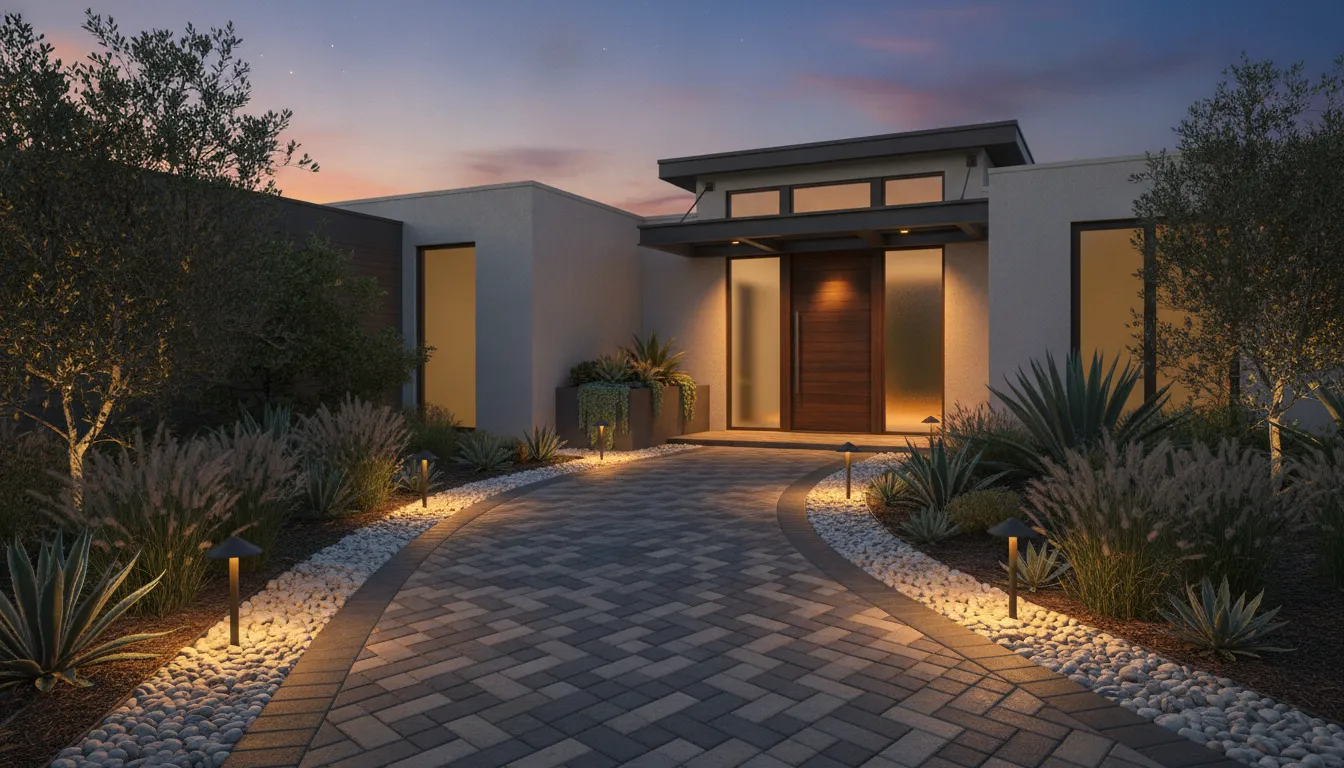
Strong Designs and Curve Management
The herringbone pattern is the top choice for straight paths. It uses a 45 or 90-degree angle to lock pavers together. This strong design gives the best support for straight walkways. It stops the blocks from shifting under heavy foot traffic. Because the stones are set at an angle, they spread weight more evenly than other layouts. This makes it a smart pick for main entries where you want a firm and steady path that lasts a long time.
If your path has curves, the running bond pattern is often the best fit. This style uses offset joints that follow a curve with ease. It allows the stones to flow with the shape of your yard. This means you will not have large gaps between the pavers. You can adjust the offset to match the tight or wide radius of your pathway. For a classic look, the basketweave pattern offers a formal feel. This works well for old-style homes in cities like Yorba Linda or Villa Park where a traditional look is best.
Best Widths for OC Homes
Your path needs to be wide enough for daily life and moving gear. A front walkway should be about 3 to 4 feet wide. This space allows one person to walk while leaving room for others to pass near the door. It also gives enough space for two people to walk side by side. For side yards or garden paths, a width of 2 to 3 feet is usually enough for single-file walking. You can find more front entry paver ideas in our design guide to help you match your home’s style.
- Check the path shape. Decide if your walkway will be a straight line or have soft curves. Straight paths work best with grid layouts like herringbone. Curved paths need more flexible patterns that can handle bends without many custom cuts.
- Pick your main pattern. Use herringbone for the most strength on straight runs. Choose running bond for curved designs to save time on labor. Use basketweave for a pretty, formal look that adds charm to your garden.
- Choose a border band. A border frames the main pattern and keeps the edge stones in place. You can use a different color or a new shape to make the path stand out. A sailor or soldier course border can also add a clean finish to the edges.
- Plan for cuts and changes. Find where the pavers will meet steps, driveways, or soft edges. Clean cuts ensure a good finish and help the stones sit flush. This step is key to preventing trips and ensuring the path wears well over time.
- Match your other hardscapes. Make sure your walkway pattern fits with your paver driveways or patios. Using the same colors and styles creates a clean look for your whole yard. Matching these patterns makes your property look well-planned and boosts its curb appeal.
Should You Choose a Permeable Paver Walkway?
Permeable interlocking concrete pavers (PICP) reduce water runoff by 80 percent or more, making them ideal for Orange County’s clay soil that drains poorly. Many local water districts offer rebates for permeable surfaces, and most HOAs now approve them because they manage stormwater while looking like traditional pavers.
Managing water flow is a key part of any paver walkway installation in Orange County. Standard hard surfaces let water sit on top or run off into the street. Permeable interlocking concrete pavers (PICP) work in a new way. These systems have larger joints filled with small stones. This design lets rain soak through the surface and into the ground below. This path can reduce water runoff by 80% or more, which helps keep your yard dry and stable.
Solving Local Soil Issues
Much of Orange County has heavy clay soil that does not drain well. When it rains, water often pools on flat paths or near home walls. Over time, this standing water can cause the ground to shift or lead to damp issues. Southern California clay soil can swell and shrink as it gets wet or dry. A flexible drainage system is vital. Permeable paths allow water to move slowly into the soil. This reduces the stress on your yard and helps stop the sinking often seen with solid concrete.
Water Rebates and Savings
Choosing a permeable path can also be a smart money move. Many water districts in Southern California offer rebates for homeowners who trade solid surfaces for permeable ones. These programs aim to lower the load on city drains and keep more water in the ground. When you use these pavers, you help the earth while also cutting your project costs. Our team can help you check if your city or water firm has a current rebate for eco-friendly paving.
Setup and HOA Approval
Setting up a permeable walkway needs a special base. Instead of sand and road base, we use layers of clean, crushed stone. This open base creates space for water to be held before it soaks into the earth. Most Orange County HOAs now like permeable designs. They look like old-style pavers but work much better for the land. Whether you want a modern look or a classic style, we make sure your paver entryway meets all local rules while giving you great drainage.
Border Treatments and Landscape Lighting Integration
Edge restraints keep pavers from shifting over time, while soldier course borders add a clean visual frame. Low-voltage LED path lights improve safety and showcase paver textures after dark. Together these features elevate a basic walkway into a polished outdoor living element.
A high-quality paver walkway installation in Orange County involves more than just the main stones. Adding borders and lighting can turn a simple path into a focal point of your yard. These features add structure and safety while making the design look full and professional.
Frame Your Path with Edge Restraints
Strong borders are a key part of any path design. We use edge restraints to keep pavers from shifting or moving sideways over time. As noted by the ICPI, using concrete curbing or steel edging is the best way to keep your walkway flat and firm for years. These borders act like a frame for a picture to keep every piece in its proper place.
You can also use a soldier course border to add style. This means laying a row of pavers in a different color or shape along the edge. It creates a clean line that splits the walkway from your lawn or garden beds. If you want to see how these edges look on your home, our 2D/3D design services can show you a model before we start the work.
Add Safety and Style with Landscape Lighting
Lighting is another great way to upgrade your path. Low-voltage LED path lights are a top choice for homes in Southern California. These lights make your yard safer by showing where the path is at night. They also show off the colors and textures of your stones when the sun goes down. Using LED lights is a smart move because they use less power and last a long time.
For a modern look, you can use LED strip lighting tucked under the edges of steps or stone borders. This creates a soft glow that makes the path look like it is floating. Solar lights are also an option for spots that get plenty of sun during the day. Small lights not only help with safety but also let you enjoy your outdoor space late into the evening hours.
HOA Approval and Coastal Considerations for Orange County Walkways
Most front-yard walkway projects in Orange County HOAs require written approval with professional plans showing materials and layout. Pacific Pavers provides HOA submittal drawings through its 2D/3D design service. Coastal homes also need salt-resistant paver materials and proper base preparation for clay soil.
Most front-yard paver walkway installation Orange County projects need approval from a Homeowners Association (HOA). These boards manage how the community looks to keep home values high. If you live in an HOA, you must get written permission before you start any hardscape work. This process can be slow and hard if you try to do it alone.
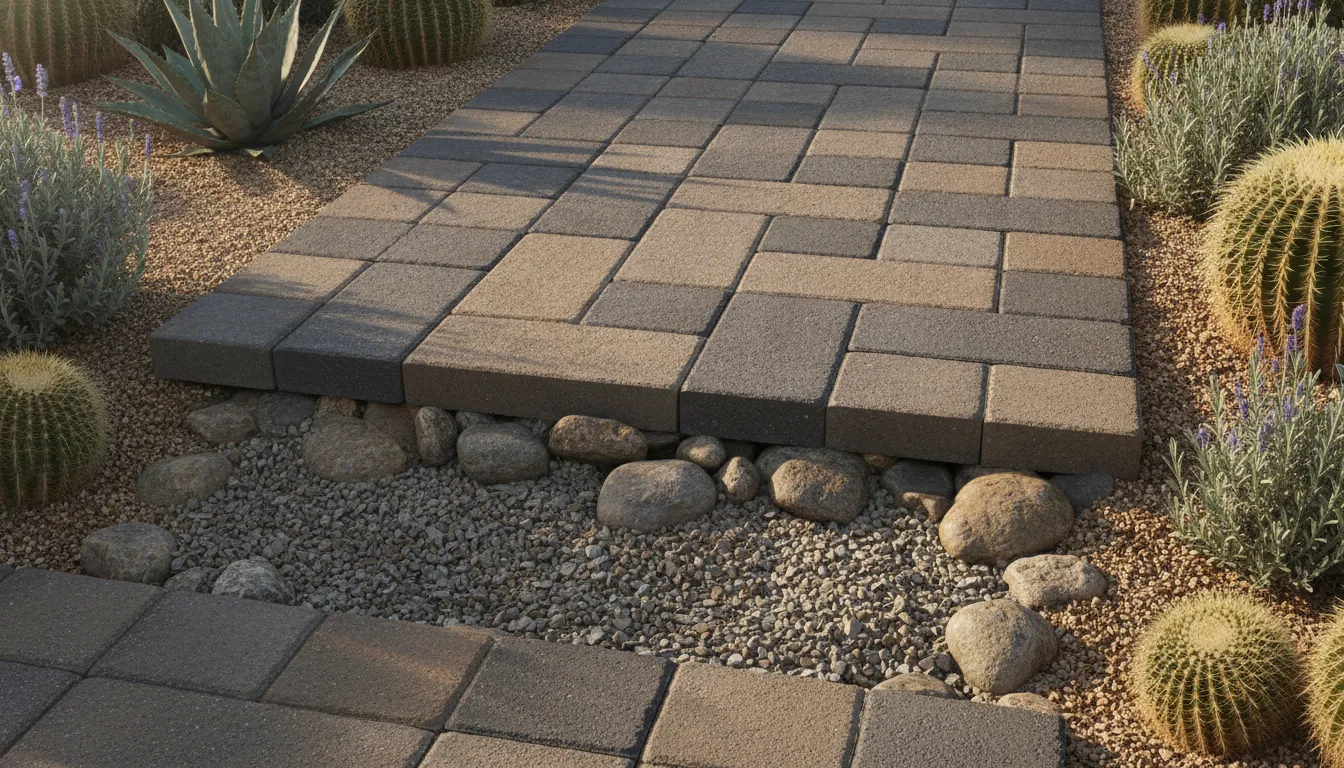
Handling the HOA board
An HOA board wants to see exactly what you plan to build. They often ask for professional plans that show the materials, colors, and site layout. Pacific Pavers helps by giving you full HOA submittal drawings as part of our 2D/3D design services. This $6,500 package is often free for larger projects. We make sure your design meets community rules so you can get a yes faster.
Many homeowners run into trouble because their plans lack detail. Your board will want to know how the new path changes the look of the street. Giving them clear images and exact specs lowers the risk of a no. When we handle the design, we include everything your board needs to see. This saves you both time and work.
Building for salt and soil
Coastal spots like Newport Beach and Laguna Beach face unique tasks. The salt in the air can wear down some stone types over time. High salt levels can cause pits or color loss on low-grade stone. We help you pick dense, salt-resistant pavers that stay bright in sea air. This ensures your home keeps its look for many years.
Soil type is also a big factor in Orange County. Many areas have clay soil that moves as it gets wet or dry. This move causes solid concrete to crack, but pavers can flex without breaking. The Interlocking Concrete Pavement Institute (ICPI) sets the rules for this work. Following these rules keeps your path flat and safe as the ground shifts.
Meeting local city codes
Each city has its own rules for paths and walkways. Some beach towns have limits on how much of your yard can be a solid surface. Choosing permeable pavers can help you meet these rules while still getting the look you want. We stay up to date on local codes to keep your project safe and legal.
If you are ready to start, you can book a free consultation and design package today. Our team will look at your space and help you plan a path that meets every rule. We take the lead on the hard work so you can enjoy your new space without the stress.
Frequently Asked Questions
How much does it cost to have a paver walkway installed in Orange County?
Putting in a paver walkway in Orange County usually costs $15 to $25 per square foot. Total prices change based on the stone you pick and the path size. Large front entries or garden paths may cost more. These jobs can boost home values by about 10 percent. Most full outdoor living work ranges from $30,000 to $100,000. This data comes from Pacific Pavers experts.
Is it cheaper to install pavers or concrete for a path?
Concrete is often cheaper to put in at first. However, pavers offer better value over time. Concrete often cracks in the clay soil found in Orange County. These stones can flex as the ground moves. This makes them last much longer. Concrete pavers can last 25 to 50 years. Natural stone can stay in good shape for over 100 years. You will spend less on repairs and keep a nice look for a long time.
Do you need a permit for a paver walkway in Orange County?
Permit rules change between cities in Orange County. Many local towns need a permit for front yard work. This is common if the path is near the street. Backyard paths often do not need one. A pro design team can help you find the rules for your home. They can also help with HOA forms. Getting the right papers first stops fines and makes the job go smoothly.
How long does a professional paver walkway installation take?
Most walkway projects take two to five days. The time depends on the path size and the prep work needed. Simple garden paths may be done fast. Large entries with complex patterns take more time. A team must dig out the old dirt and pack down a strong base. Then they lay the stones and set the edges. High-quality work ensures the stones do not shift or sink for many years.
Ready to schedule your paver walkway design?
Leaving a cracked front path can lead to trips and falls for your guests, which is a major safety concern for any home owner. If you start your design now, our team can finish your new walkway project before the next big party or family event at your home. A quick plan today saves you from the stress of a muddy yard later this year and gives you a beautiful space that adds value. Our ICPI certified experts handle every step of the build so you do not have to worry about the hard work of the project. We make it easy to get the look you want without the usual stress of a large home work job.
Ready to schedule? Call (714) 718-3970 to schedule a free consultation and design package for your paver walkway project.